REVIEWS

A Toyota RAV4 should restart smoothly after a commute, fuel stop, or quick errand. When the engine cranks slowly, clicks once, starts only after several attempts, or refuses to turn over while hot, the starting system needs attention. Heat may expose weakness inside the starter motor, battery cables, grounds, or control circuit.
At Driven Auto Care of San Jose, CA, we help Sunnyvale drivers separate starter failure from battery, charging, fuel, key, and sensor problems. Our San Jose shop lists starter replacement, battery replacement, charging system diagnosis, sensor replacement, and electrical troubleshooting among its services. We test first because replacing a good starter will not correct voltage loss or a crank-no-start condition.
Slow Cranking After a Warm Stop
A worn starter may work normally when cold but crank slowly after the engine compartment heats up. Internal contacts, windings, bearings, or the solenoid may respond poorly once temperatures rise. Drivers often notice the problem after parking for 10 to 30 minutes, then returning to a sluggish restart.
Slow cranking may also come from a weak battery, corroded terminals, loose grounds, or resistance inside a cable. DENSO’s starter diagnostic guidance recommends checking battery condition and the complete circuit before condemning the starter. Voltage-drop and current-draw testing help us identify where electrical power is being lost.
Clicking, Silence, or Intermittent Starting
A single click with no engine rotation may involve the starter solenoid, motor, battery connection, relay, or available voltage. Rapid clicking often points toward insufficient battery power or a poor connection. Complete silence may involve the start button, key recognition, brake-pedal input, fuse, relay, wiring, or transmission range signal.
Toyota owner guidance also notes a discharged battery or smart-key malfunction may prevent engine startup. Depending on model year, the vehicle may display a message directing the driver toward the affected system. We read those messages, scan stored faults, and verify the start command before ordering parts.
Know the Difference Between No-Crank and No-Start
This distinction saves time. A no-crank condition means the engine does not rotate or turns too slowly. A crank-no-start condition means the starter spins the engine at normal speed, but combustion never begins.
When cranking speed sounds normal, the starter may be doing its job. Fuel pressure loss, ignition trouble, a crankshaft or camshaft sensor fault, immobilizer trouble, or another engine-control problem may be responsible. Toyota also advises drivers to follow any startup message shown on the multi-information display.
How We Diagnose the Starting System
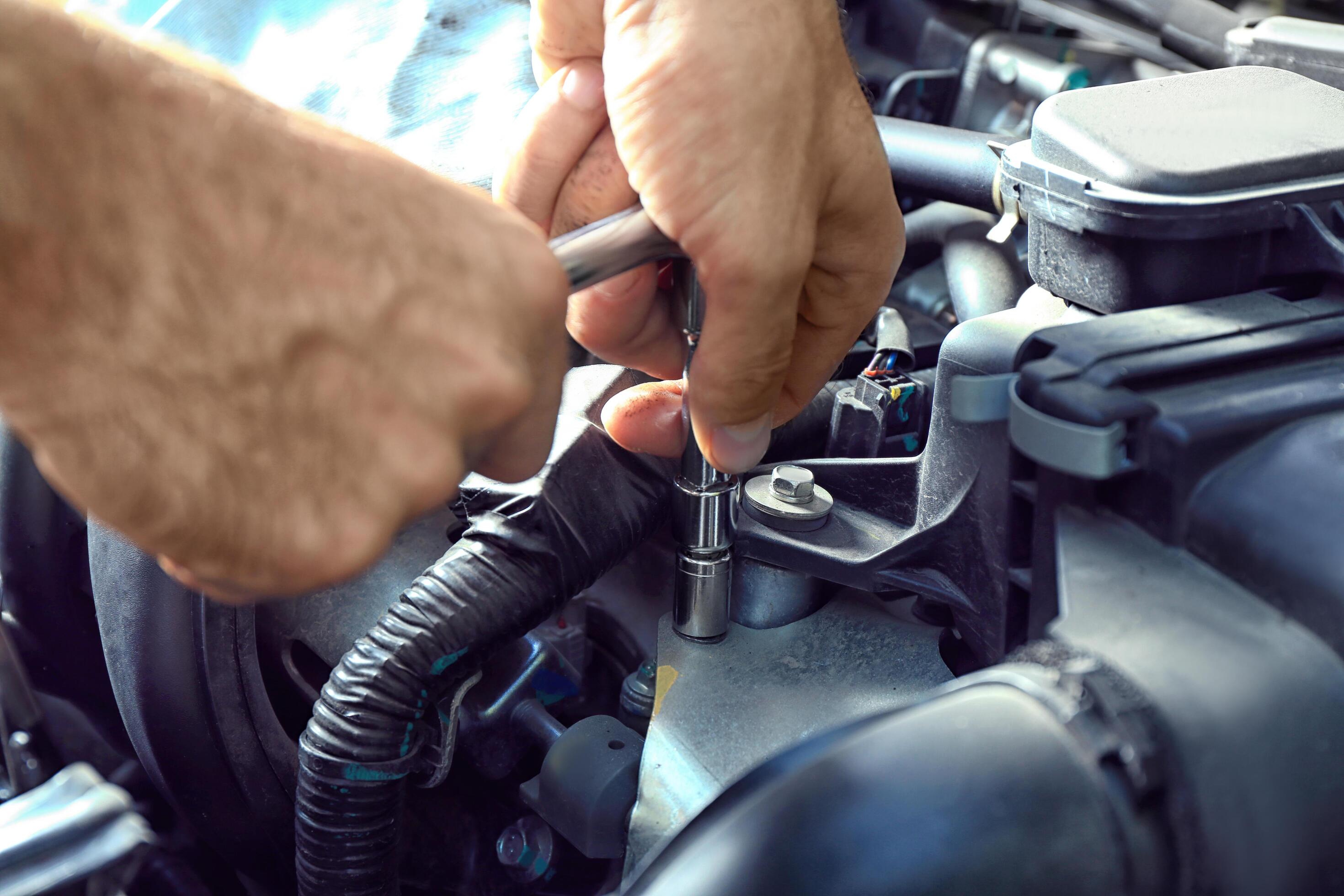
We begin with battery state of charge, terminal condition, cable and ground inspection, and voltage during cranking. Next, we check starter current draw, relay operation, fuses, start-command signals, and stored diagnostic information. If the complaint appears only after a hot soak, we may warm the RAV4, let it sit, and test the restart under the same conditions.
If testing confirms internal starter failure, replacement restores normal cranking. We also inspect wiring and mounting points, then verify cold and hot restart performance after installation. Gas-powered RAV4 models use a conventional starting system, while hybrid models require a different diagnostic approach because the hybrid system does not rely on a traditional starter motor.
Schedule Toyota RAV4 Starting System Service
If your Toyota RAV4 clicks, cranks slowly, or struggles after warm stops near Sunnyvale, schedule an inspection before the problem leaves you stranded. Contact Driven Auto Care of San Jose, CA, for clear findings and a repair plan based on the actual failure.