REVIEWS

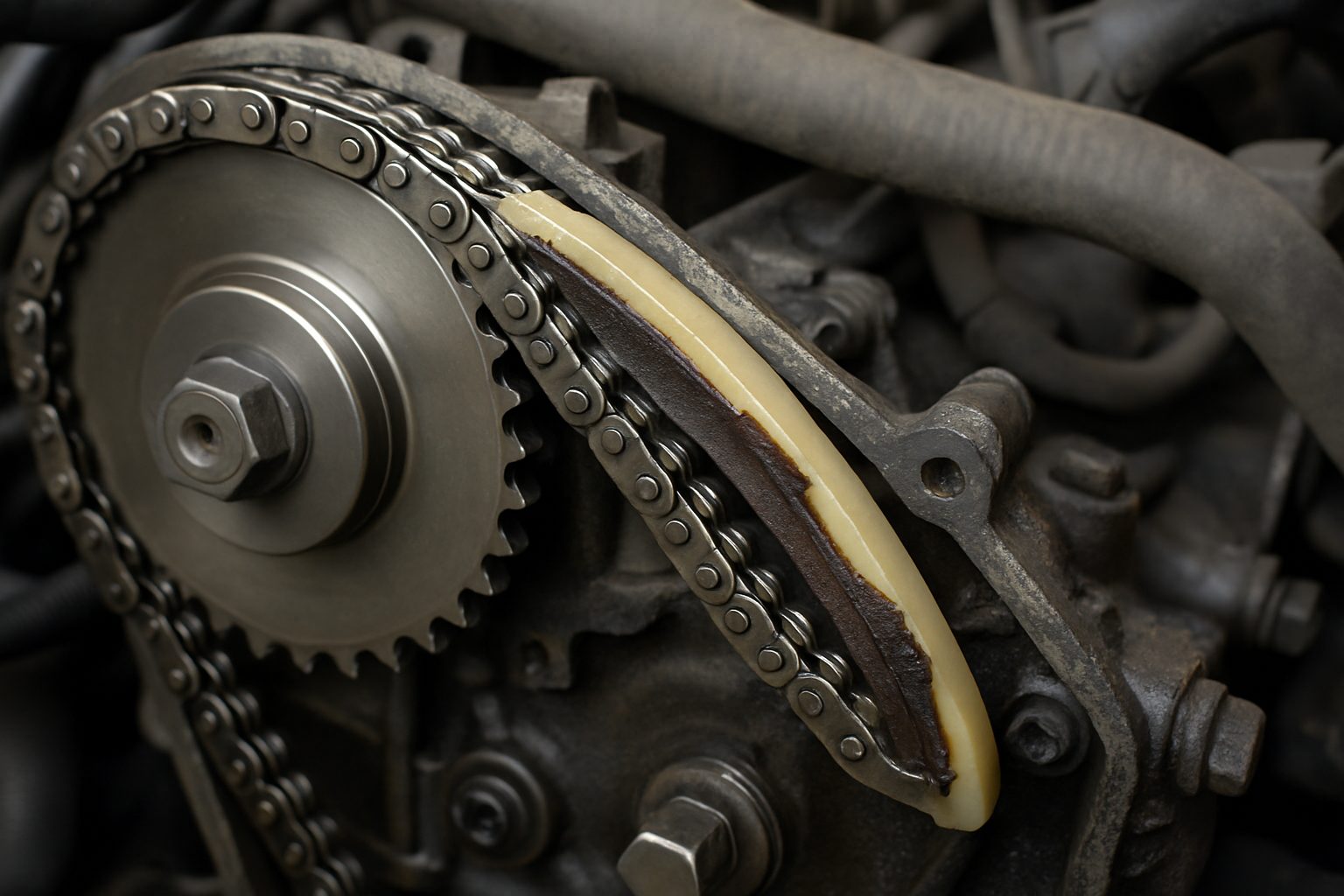
A Buick Enclave developing a rattle from the front of the engine may have timing-system wear, but timing chain guide damage is only one possible cause. Chain slack, worn tensioners, low oil level, accessory drive components, or internal engine problems may cause similar noise. Careful testing matters before a major repair begins.
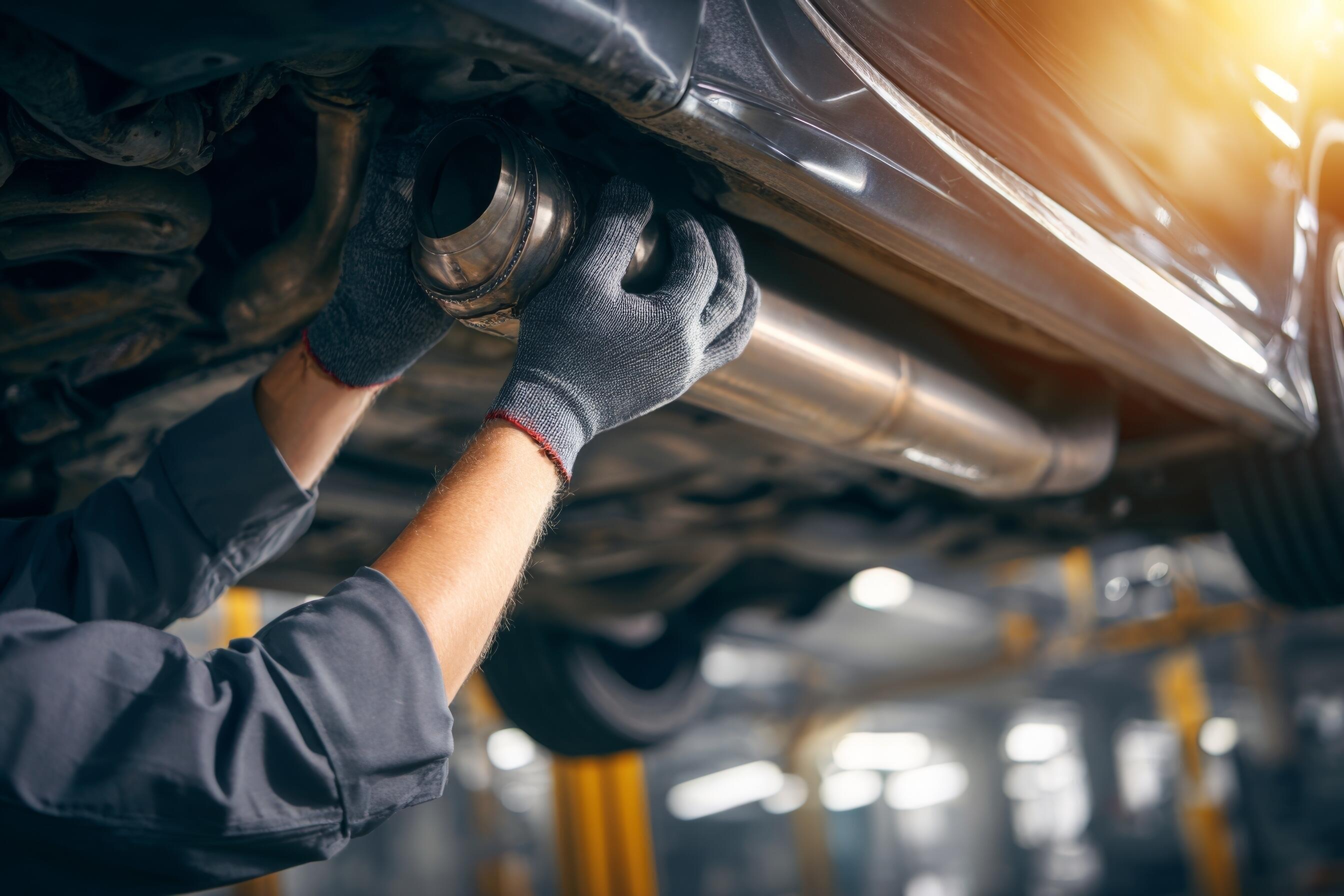
At Driven Auto Care of San Jose, CA, we help Sunnyvale drivers trace engine noise to its source from our San Jose shop. Our service menu includes engine diagnostics, engine repairs, timing chain replacement, camshaft position sensor replacement, crankshaft position sensor replacement, and oil leak repair. We inspect the complete system rather than assuming every rattle means a failed chain.
Why Timing Components May Create Noise
The timing chain keeps the crankshaft and camshafts synchronized so engine valves operate at the right moment. Guides control chain movement, while tensioners maintain proper pressure. Wear in any part of this assembly may allow extra movement and produce rattling, especially during startup.
General Motors published service information for 2007-2016 Buick Enclave models equipped with certain 3.6-liter engines. The bulletin directs technicians to check for loose timing chains or tensioners when multiple camshaft/crankshaft correlation codes appear, including P0008, P0009, and P0016 through P0019.
Listen Closely During Cold Starts
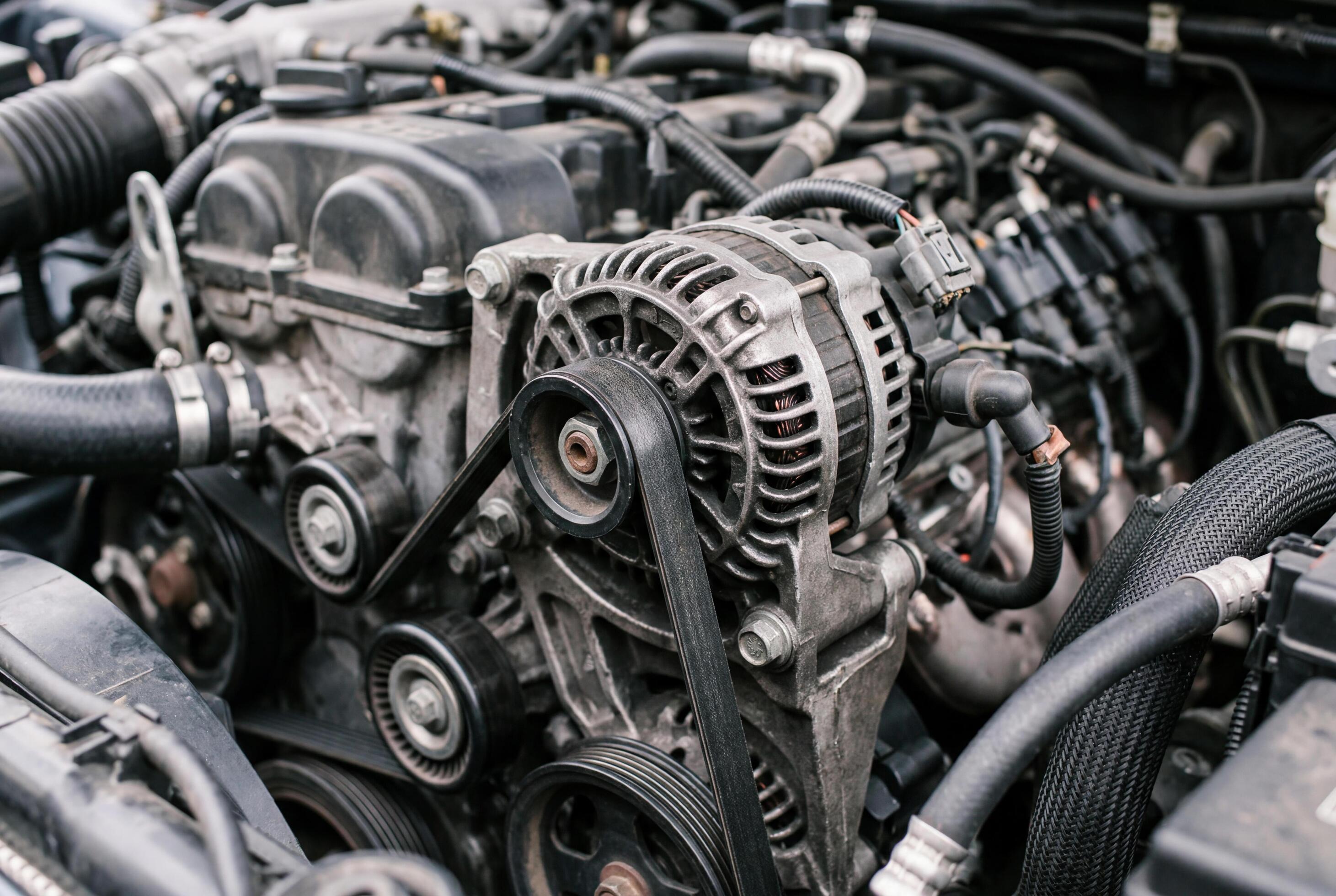
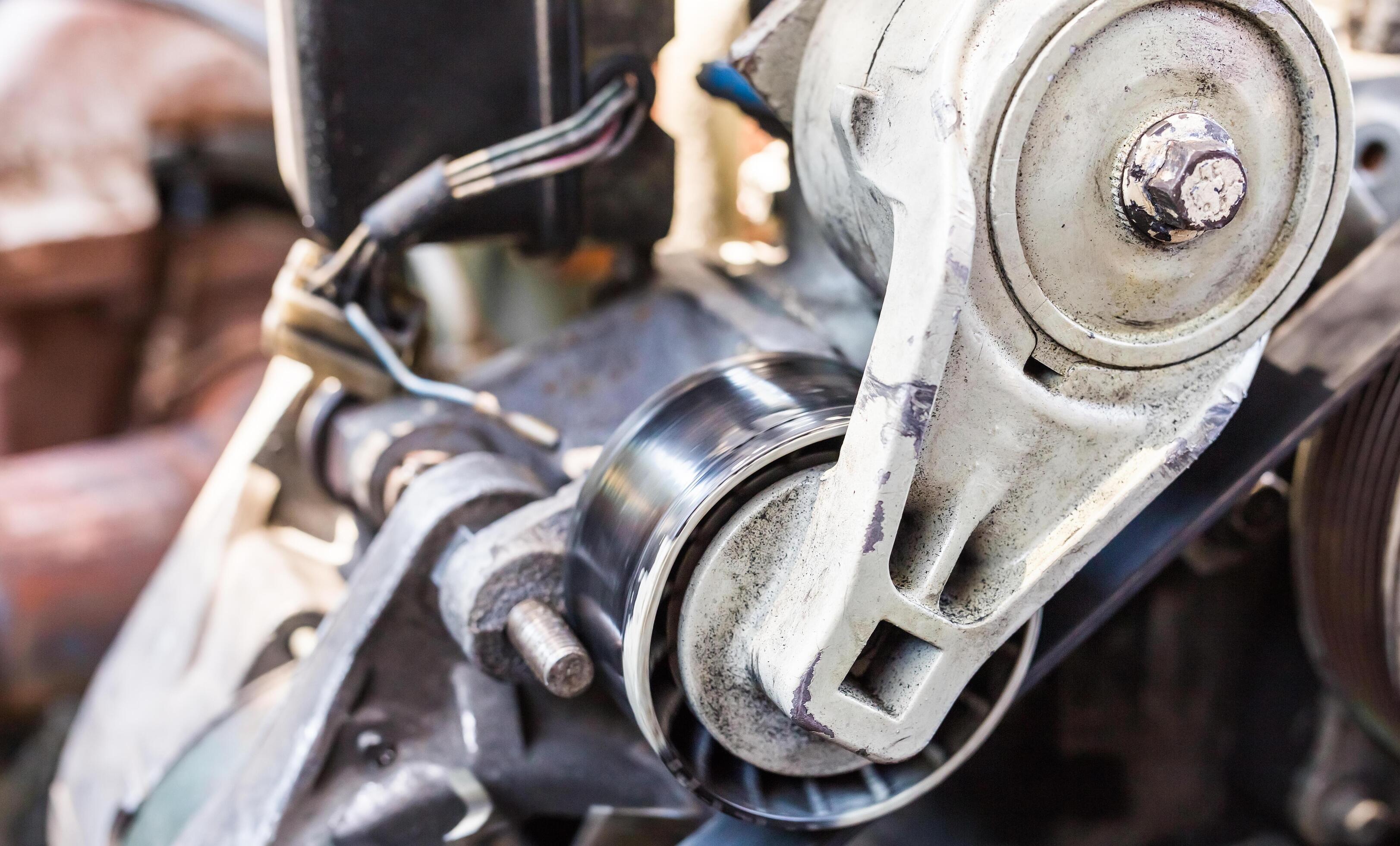
A brief metallic rattle after startup warrants attention, particularly if it grows louder or lasts longer. However, noise alone does not confirm guide wear. An idler pulley, belt tensioner, water pump, alternator, exhaust shield, or another component may sound similar.
We listen during cold and warm operation, scan for diagnostic trouble codes, review camshaft timing data, and inspect oil condition. When symptoms support an internal timing concern, further mechanical inspection may be needed.
Older Enclave Models Had Timing Chain Coverage
GM issued special coverage for certain 2009 Buick Enclave models due to premature timing chain wear. The bulletin says affected vehicles could illuminate the Service Engine Soon light and required diagnosis to determine whether timing chain replacement was necessary.
This historical coverage applied only to designated vehicles and originally lasted 10 years or 120,000 miles. Even though the coverage period has passed for those vehicles, the bulletin remains useful background when diagnosing similar timing symptoms.
Oil Condition Matters to the Timing System
Timing chains and tensioners depend on engine oil for lubrication and proper operation. Buick’s 2016 Enclave owner manual explains how the oil-life system calculates service timing using engine revolutions, temperature, mileage, and driving conditions. It also recommends checking oil regularly and maintaining the proper level.
Buick support guidance warns that low or dirty oil may shorten engine life. If an oil-pressure warning appears, stop safely and shut off the engine. Continuing to run an engine with low oil pressure may cause serious damage.
Do Not Replace Guides Based on Noise Alone
A timing repair requires significant disassembly, so diagnosis should be specific. We may check engine codes, oil pressure, camshaft correlation, tensioner operation, and mechanical timing before recommending parts.
If chain, guide, or tensioner wear is confirmed, replacing worn timing components as a matched repair may help restore proper synchronization and reduce the chance of repeat labor.
Schedule Buick Enclave Engine Diagnosis
If your Buick Enclave rattles at startup, displays a check engine light, or develops new engine noise near Sunnyvale, contact Driven Auto Care of San Jose, CA. We will inspect the source, explain our findings, and recommend repair based on the confirmed timing-system condition.