REVIEWS
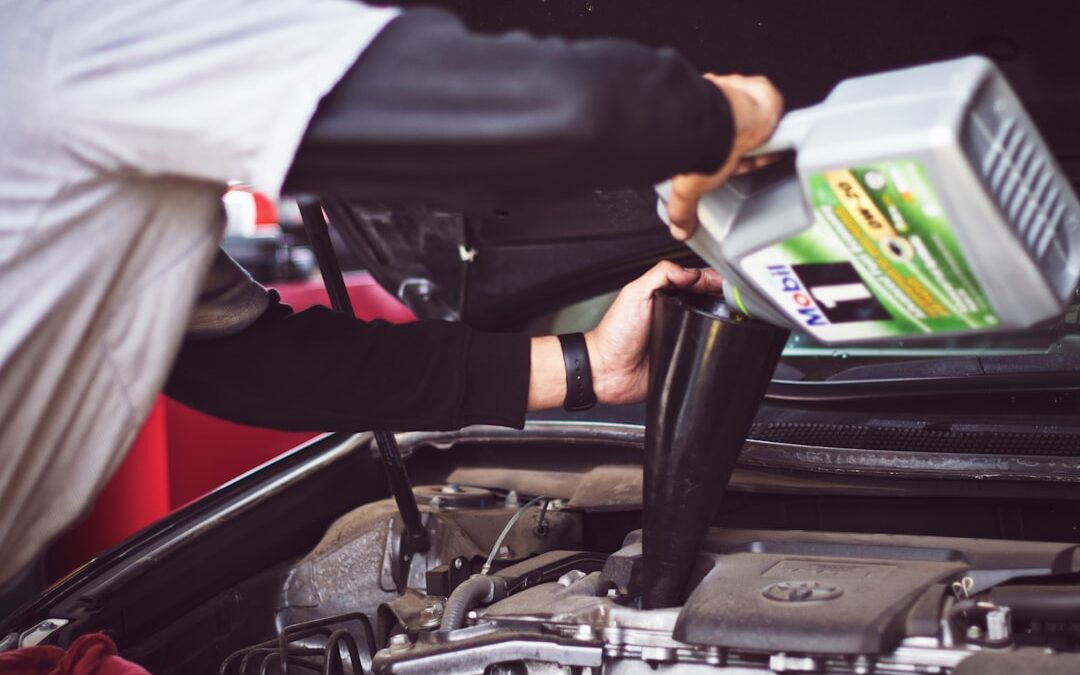
The cold-start rattle lasts two seconds, maybe three, then it clears. The driver pulls out of the Sunnyvale driveway, reaches El Camino Real, and the engine sounds fine again, so the noise gets filed away. Owners roll into Driven Auto Care of San Jose, our San Jose shop, once the warning lights and the rattle show up on the same morning. The 2015 Q5 with the EA888 Gen 2 2.0T runs eleven years old now, and that age turns the 10,000-mile factory interval into a floor, never a ceiling. We follow one skipped change straight through the engine, part by part.
Degraded Oil Sticks the Low-Tension Rings
The Gen 2’s low-tension piston rings were an efficiency move, less drag at the ring land for a small economy gain and a little oil consumption baked in. Oxidized oil breaks that quiet bargain in a hurry. Degraded oil speeds carbon at the ring land, glues the rings in their grooves, and drives consumption higher with every heat cycle. The crankcase-vent system routes blow-by back through the intake, and as its separator membrane stiffens with age it passes more oil mist into the burn, and that added oil mist feeds more carbon to the already-sticking ring lands. We pull and inspect that PCV separator at every oil service here, because a tired separator quietly feeds everything downstream.
The Hydraulic Tensioner Runs Entirely on Oil Pressure
The timing chain on the EA888 Gen 2 stays taut through a hydraulic tensioner, and that tensioner borrows all its holding authority from oil pressure. Fresh oil at the right level loads the tensioner the instant the starter spins. Overdue oil drains down overnight and builds pressure slow, and that lag is the cold-start rattle, two to four seconds of chain slapping the guide. Left alone, the guide wears, the chain stretches, the variable valve-timing reference walks off, and the ECU starts logging camshaft-correlation faults as the timing drifts toward real damage. The chain and tensioner can’t be serviced between intervals; the oil that protects them can.
Turbo Coking and Pre-Ignition on the 2.0T
The 2.0T turbocharger sits right in the exhaust stream, runs hot under load, then heat-soaks after shutdown with no oil moving through its center bearing. Fresh oil keeps that bearing feed passage clean. Overdue oil with depleted additives lets the residual heat bake a varnish layer onto the bearing feed passage, and that restriction surfaces as shaft play long before it surfaces as noise. Low-speed pre-ignition rides alongside on this direct-injection turbo, climbing as the additive package wears down, and a single LSPI event hits hard enough to crack a ring land in one firing. We reset that whole depletion clock the moment we drop the old oil.
What One Skipped Change Sets Loose
If the Q5 carries the supercharged 3.0T, turbo coking drops off the table, since that engine spins its compressor by gear instead of a turbine in the exhaust. Its oil risks live with the chain tensioner, the ring condition, and general lubrication, and we read those by level, smell, and an oil analysis rather than the odometer alone. For either engine the visit runs the same: we pull the dipstick, grade level and condition, draw an analysis sample when the history is thin, and walk the owner through what we read. Call Driven Auto Care of San Jose at (408) 295-3786, and we book that inspection and report what the oil shows.