REVIEWS
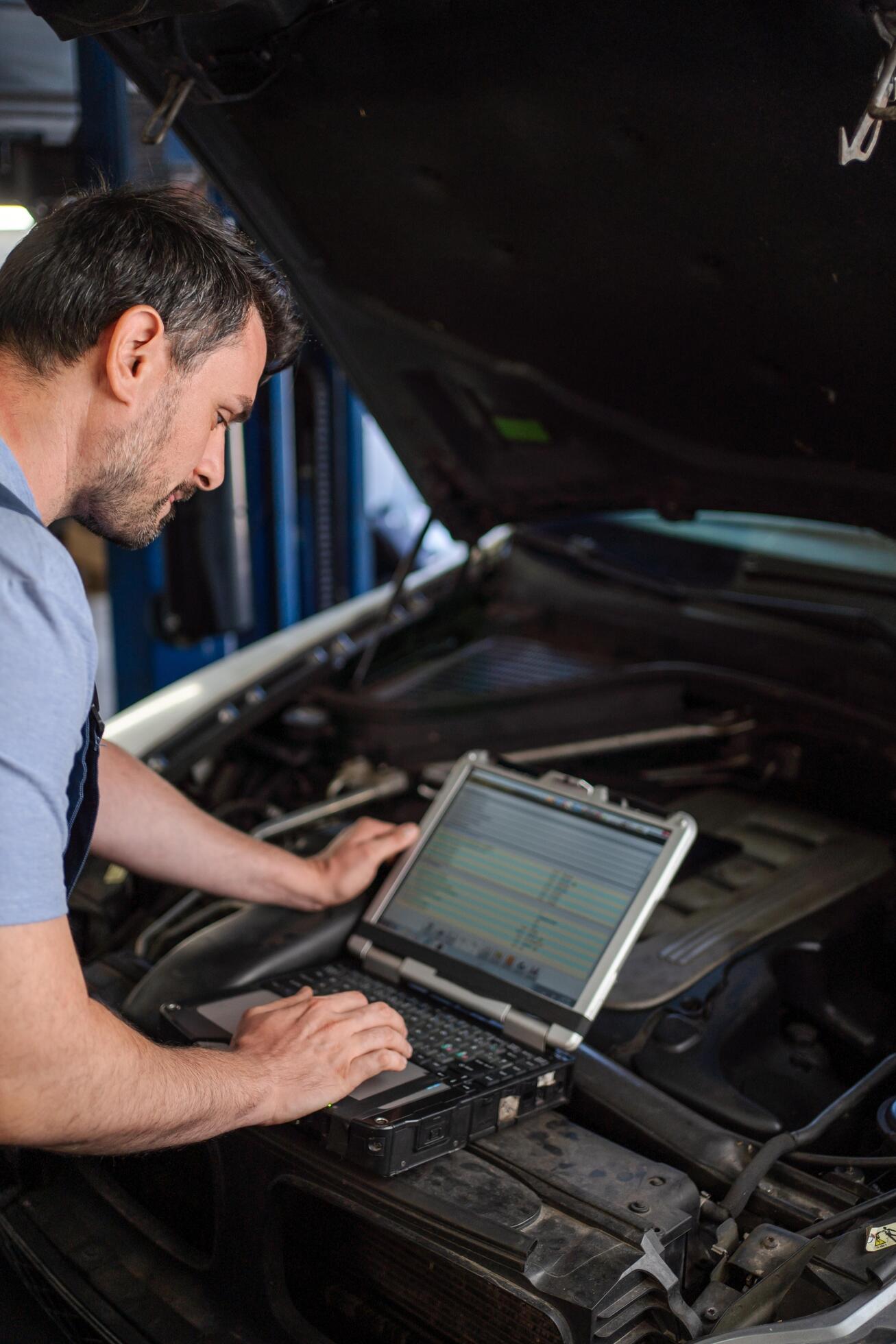
The scan tool reads P0420, the check-engine light has been on for a week, and the owner standing in our San Jose shop wants to know if the catalytic converter on this 2018 Corolla is finished. The code looks like a sentence handed down before any evidence gets weighed. What it points to depends on one question we ask before we touch a single part. Driven Auto Care of San Jose serves Santa Clara drivers with this exact diagnosis, and the converter turns out innocent more times than the owner expects.
What the 2ZR-FE Architecture Changes
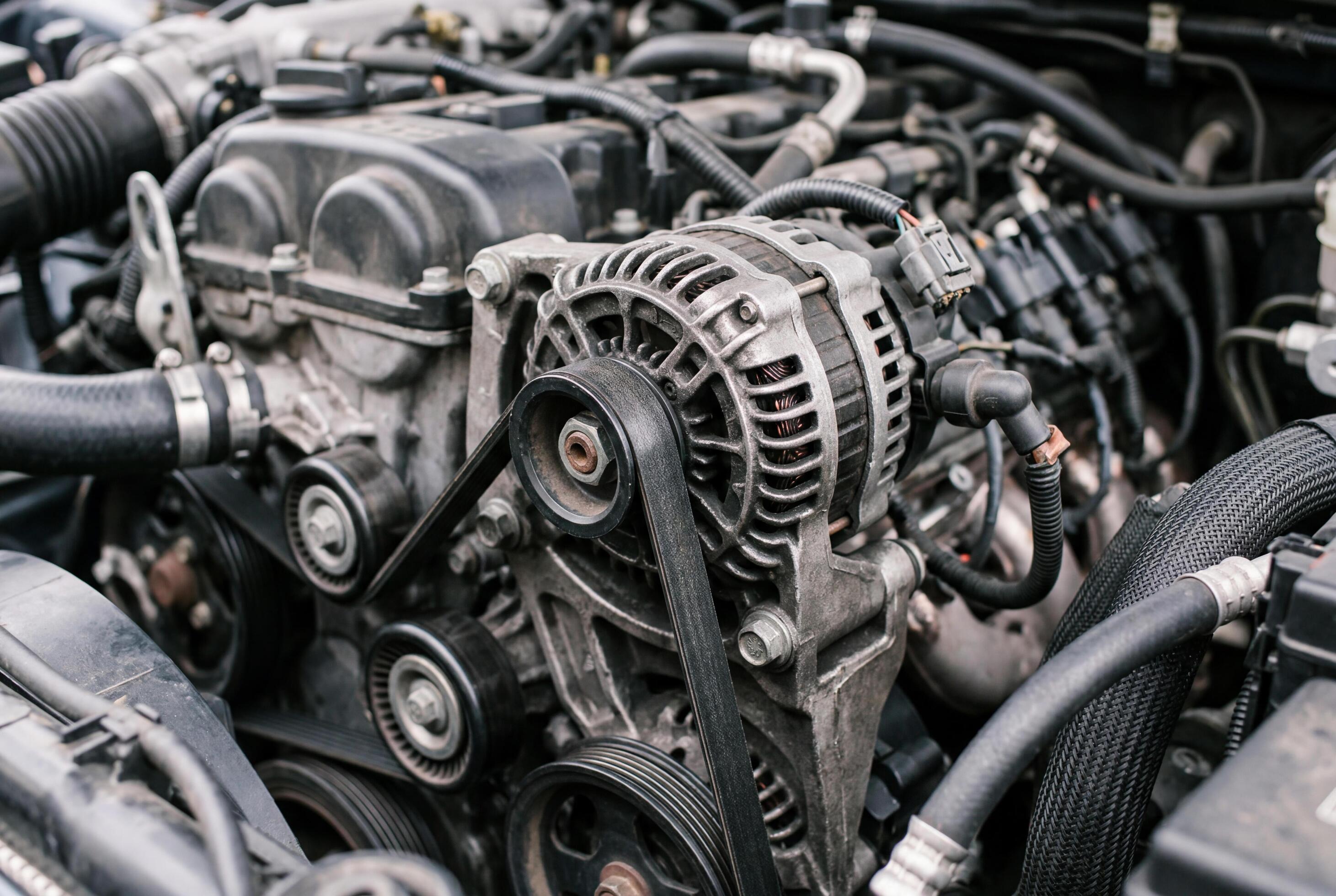
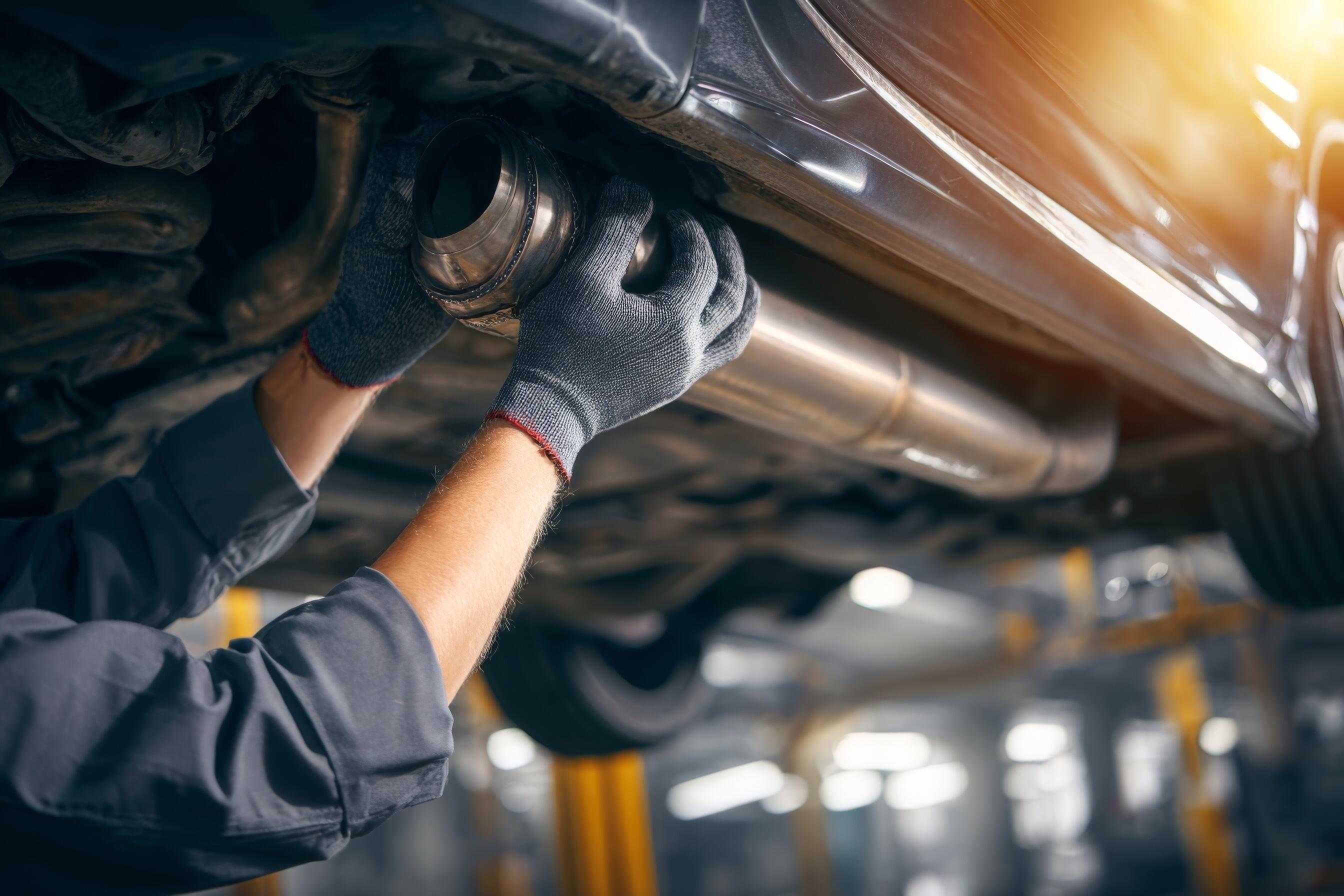
On the 2018 Corolla, Toyota built the catalytic converter directly into the exhaust manifold, which bolts to the cylinder head as one assembly. The 2ZR-FE and the LE Eco’s 2ZR-FAE Valvematic both carry this close-coupled design, so the converter reaches operating heat within seconds of a cold start rather than minutes. That speed wins emissions points, and it’s also why years of Santa Clara stop-and-go cycling age the washcoat faster than a separate underfloor unit ever would. P0420 fires when the downstream oxygen sensor stops fluctuating and begins to mirror the upstream air-fuel sensor, telling the computer that catalyst efficiency has dropped below threshold. The code reports sensor behavior, and it never proves on its own that the part has died.
The Oil-Consumption Fork
Before anything else we ask whether this Corolla burns oil between changes. The 2ZR engine family has a documented oil-consumption pattern tied to piston ring wear, and that detail rewrites the whole diagnosis. When the rings let oil slip past into the combustion chamber, it burns with the fuel and exits through the exhaust, coating the catalyst substrate in phosphorus from the oil’s zinc-phosphate additive package. Phosphorus bonds permanently to the washcoat and kills the catalyst’s ability to complete its oxidation-reduction cycle. A P0420 on a Corolla with an established oil-consumption history points to a genuinely cooked converter, and an engine still burning oil will poison a new one the same way.
What We Rule Out First on a Clean-Oil Car
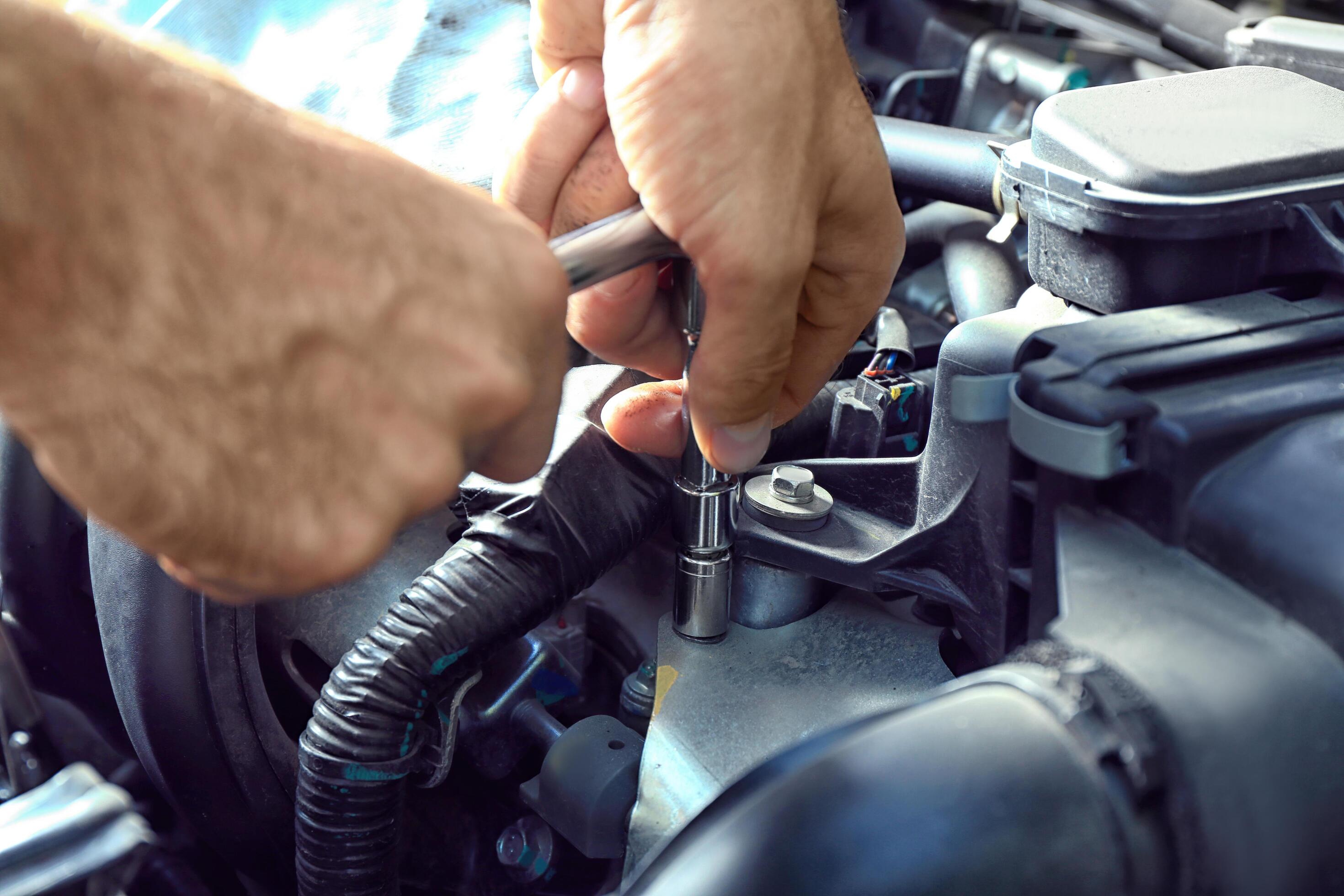
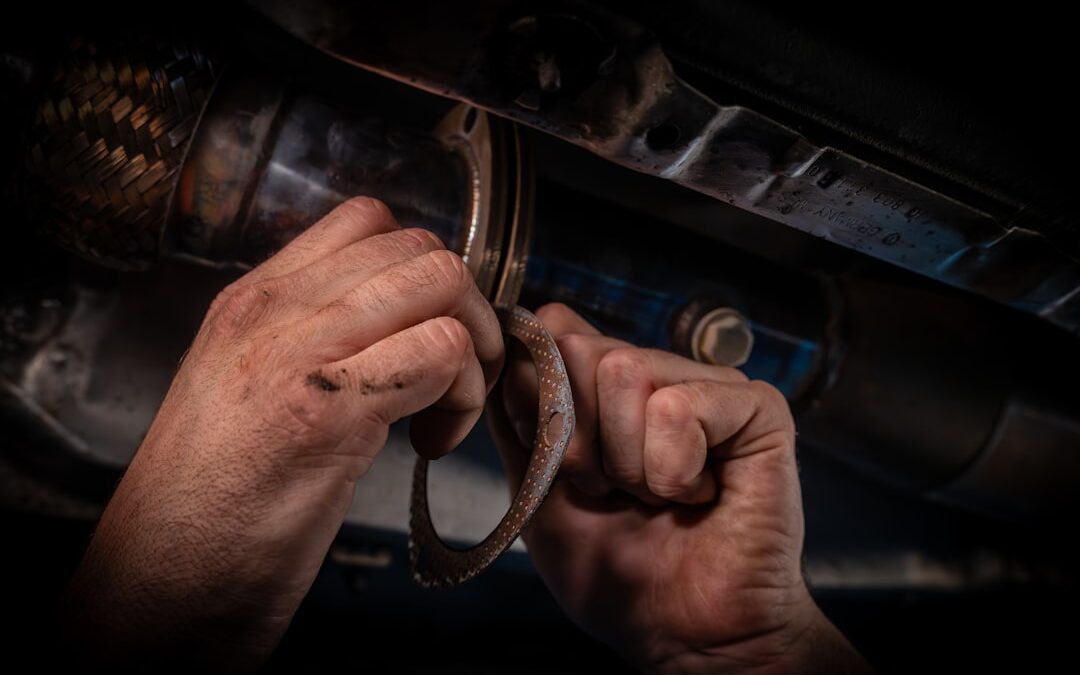
When the service history shows normal consumption, we treat the P0420 as a signal pointing upstream. The manifold-flange joint, where the assembly seals against the head, is the first check, because a small leak there pulls unmetered oxygen ahead of the upstream sensor and skews the air-fuel reading. The front air-fuel sensor goes next, since a lazy or slow-responding sensor distorts the pre-catalyst data and fakes the same downstream-mirrors-upstream pattern the code watches for. We pull live oxygen-sensor data pre and post converter, take an infrared temperature reading across the converter body, and run a backpressure check at the sensor port before we recommend any replacement. A healthy converter runs hotter downstream and chokes flow only once its core collapses, so those readings catch impostor codes live data alone can miss.
Why We Confirm Before We Replace
When you call us at (408) 295-3786, we tell you what those three tests showed and what the right path is from there. If the converter is phosphorus-poisoned and the rings are burning oil, we say so plainly and explain why the oil consumption has to be addressed before a new converter goes on. If the code traces to a flange leak or a tired air-fuel sensor, we fix that and retest instead of pulling a converter that still works. The goal is that you leave San Jose with the correct repair done once, and the next P0420 you see belongs to someone else.