REVIEWS
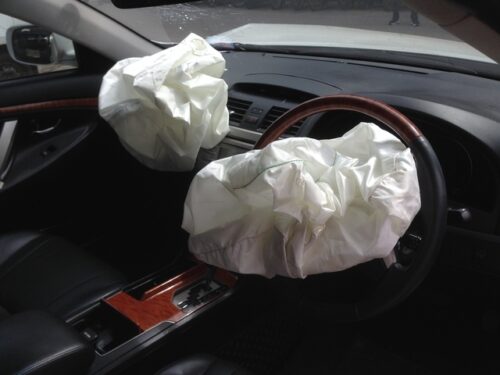
An illuminated airbag light on a Hyundai Sonata means the SRS computer detected a fault somewhere in the restraint circuit and disabled airbag deployment as a fail-safe. A disabled SRS will not protect anyone in a collision, and the light stays on until the cause is found and corrected. Driven Auto Care of San Jose serves Silicon Valley Sonata owners from our San Jose shop, and we answer five questions about this warning almost every week. Every Sonata driver should know the following before driving another mile with that orange figure lit up on the dashboard.
Question One: What Does The Light Itself Represent?
The airbag light shares a name with the Supplemental Restraint System, which covers every airbag, every seatbelt pretensioner, every impact sensor, and every occupant detection module in the vehicle. When any component in that network fails a self-test, the SRS module stores a diagnostic B-code and turns the dashboard warning on within seconds. The system is designed to fail in the safe-off position, because a false deployment while driving would injure passengers more than no deployment during a minor collision. Clearing the code without finding the underlying cause is a temporary bandage that falls off on the next drive cycle.
Question Two: What Are The Three Most Common Triggers On YF And LF Sonatas?
Across 2011–2014 YF and 2015–2019 LF Sonatas, three triggers account for most of the airbag light calls we answer at Driven Auto Care of San Jose. The steering column clock spring wears its internal ribbon conductor over years of turning, and a broken conductor sets an open-circuit code we confirm with a resistance test. The passenger seat occupancy sensor mat develops dead zones from regular use, and the sensor stops reading weight accurately enough for the module to trust it. Under-seat connectors corrode from tracked-in moisture and car-wash runoff, and corrosion creates intermittent faults that come and go with cabin temperature.
Question Three: Can I Still Drive With The Light On?
The car will start, shift, brake, and steer normally with the airbag light on, and nothing physically stops you from commuting to work. The part that has changed is the safety math on every trip you take. Every mile driven with a disabled SRS is a mile without airbag coverage in a crash, and Silicon Valley freeways deliver enough unexpected moments that the coverage matters. Treat the light as a scheduling priority this week, somewhere between a check engine light and a brake warning, and book a slot before the weekend.
Question Four: Why Can’t A Basic Code Reader Pull The Fault?
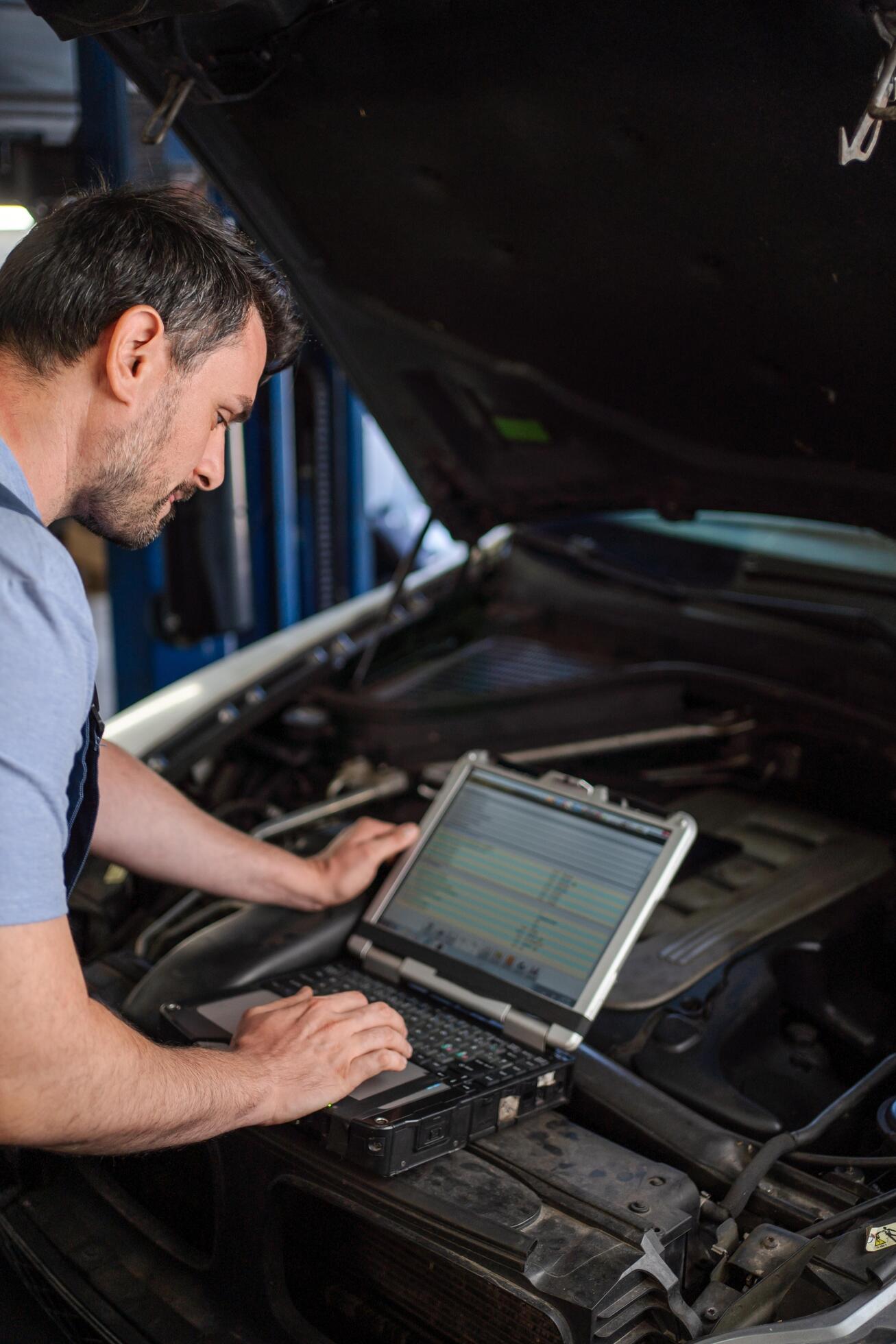
Standard OBD-II readers from the auto parts store read powertrain codes (the P-series) and little else, because they were built for emissions diagnostics on a federal standard. SRS faults are B-codes in the body category, and pulling them requires a scan tool with body-system access and correct Hyundai software. Driven Auto Care of San Jose uses scanners with full SRS coverage on every Hyundai we service, which means we read the exact stored code, the freeze-frame history of when it triggered, and the specific circuit or component the code points to.
Every Sonata Leaves Our Shop With Working Airbags Again
Every Sonata we fix leaves the bay with the SRS code identified, the physical cause corrected, and the entire restraint system verified active through a full post-repair self-test on the scan tool. The driver walks out understanding what was wrong, what we did, and why the system is safe again for every passenger. The same scan procedure applies across every Sonata generation we see, and repair time rarely exceeds half a day once the cause is isolated. Call Driven Auto Care of San Jose at (408) 295-3786 and book a diagnostic slot this week for your Sonata.