REVIEWS
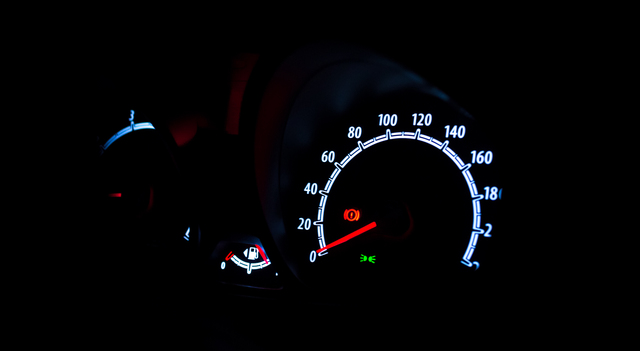
A Hyundai ABS light can come on during a normal drive and stay on without changing how the brake pedal feels. That makes it easy to shrug off. Still, the light means the ABS module stored a fault. In many cases, ABS shuts off until the issue is repaired. Traction and stability features can also reduce or shut off, since they rely on the same wheel speed data. Your regular brakes usually still work, but hard stops on wet roads can feel less controlled.
What Would I Notice With The ABS Off?
ABS helps keep wheels from locking during hard braking. It pulses brake pressure, so you keep steering control. Without ABS, wheels can lock more easily on slick pavement. That can increase stopping distance and reduce control during a panic stop.
A red brake warning light is different. If you see a red brake light, feel a soft pedal, notice the car pulling, or hear grinding, this is an emergency.
Why The ABS Light Might Come On
Hyundai ABS faults often trace back to wheel speed sensor signals, wiring, or hub issues.
- Wheel speed sensor failure or contamination
- Broken wiring near the wheel well or strut area
- Connector corrosion from moisture
- The wheel bearing play changes the sensor gap
- Tone ring damage or debris buildup
- ABS module faults on some models
Popular Codes
Codes change by model and year, but these patterns are common. These are important as they help narrow down the issue.
- C0035, C0040, C0041, C0045 type codes: Wheel speed sensor circuit faults
- Wheel speed performance codes: One wheel reads wrong at low speed
- U codes: Communication issues tied to module power or network faults
What Happens During a System Check and Repair
We scan the ABS module and read stored codes and live wheel speed data. Then we road test in a controlled way and watch for one wheel speed reading that drops out or spikes during slow stops.
Next, we inspect the sensor, wiring, and connector at the affected corner. We look for rub-through spots, broken clips, and moisture damage. We also check wheel bearing play, since a worn bearing can create false sensor readings. We check the brake fluid level and the base brake condition too.
Once we have the cause, repairs include:
- Replace a wheel speed sensor when serviceable
- Repair wiring damage and secure routing
- Clean and protect connectors, then confirm a stable signal
- Replace a hub assembly when the sensor is built into the hub or the bearing is loose
- Repair ABS module issues when testing proves failure
Get Your Hyundai ABS Light Checked Today
If your Hyundai ABS warning light is on, stop by Driven Auto Care of San Jose, CA. We’ll scan the ABS system, find the real cause, and get your braking control features working again.