REVIEWS
Your dashboard lights up, and you don’t know which warning matters most. That moment of uncertainty sends most drivers straight to the nearest shop for a quick answer. The problem is that quick answers often miss the actual failure, and you end up replacing parts that weren’t broken. Driven Auto Care of San Jose takes a different approach to car repair in the South Bay.
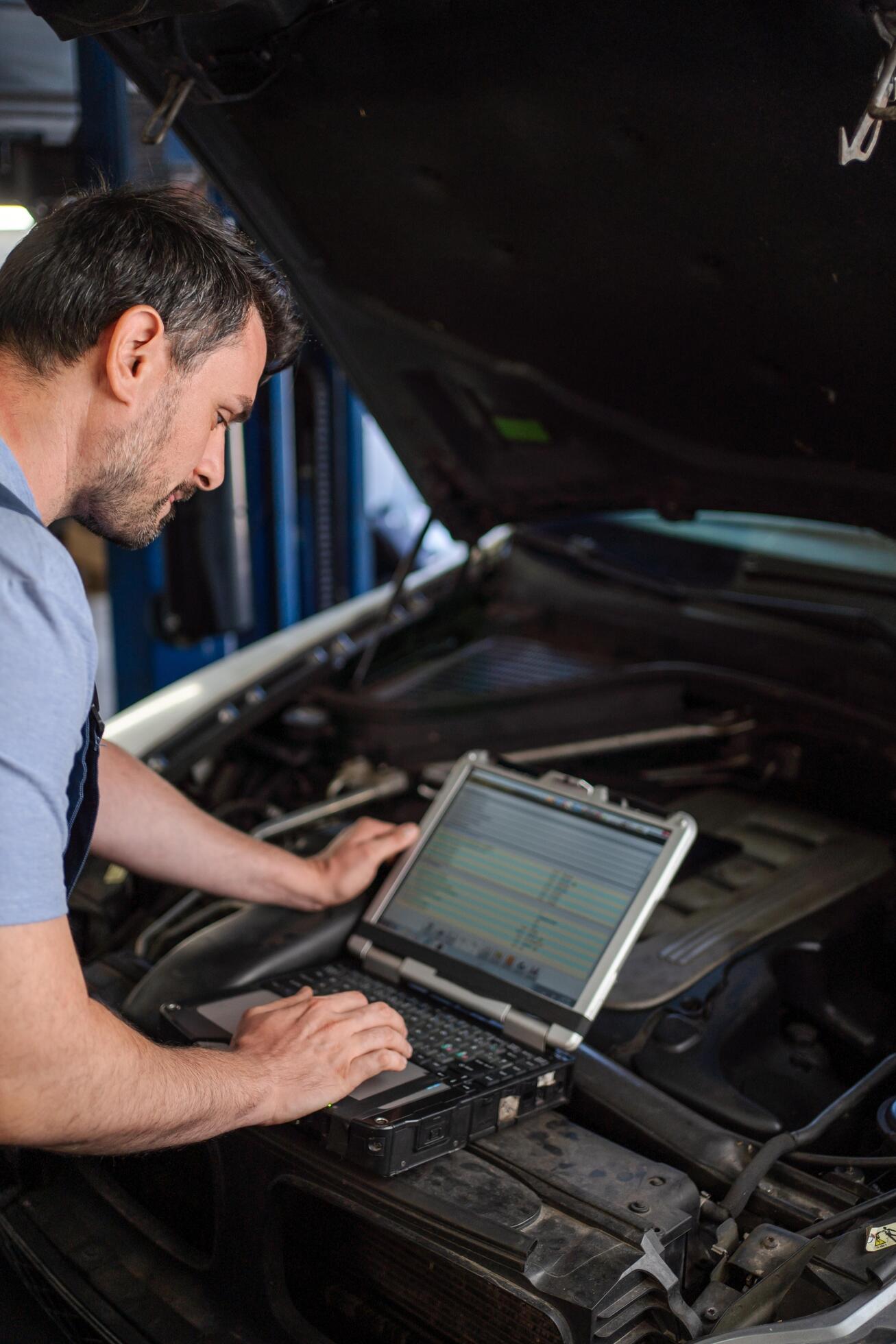
We start every diagnosis with measurement because guessing costs you money and time. A scan tool pulls fault codes, but codes only identify the circuit or system involved. The real answer lives in the freeze-frame data captured at the moment the fault occurred. That snapshot tells us engine RPM, coolant temperature, vehicle speed, and fuel trim values when your car detected something wrong. We use that information to direct our testing instead of swapping parts until the light goes off.
What South Bay Traffic Does to Your Car
Stop-and-go driving on Highway 101, Interstate 280, and Highway 87 creates specific wear patterns that highway cruising doesn’t produce. Your brakes cycle through heat and cooling dozens of times per commute. Your transmission shifts constantly, generating heat that breaks down fluid over time. Your cooling system works harder in slow traffic than it does at freeway speed because airflow drops when you’re sitting still. These conditions accelerate wear on components that would last longer in a different driving environment.
We see the results of South Bay commuting every week in our shop. Brake pads wear faster on the inner edge when caliper slide pins seize from heat cycling. Transmission fluid turns dark and loses its friction modifiers after extended exposure to high temperatures. Coolant hoses develop soft spots near the thermostat housing where heat concentration is highest. Each of these failures has a measurable symptom before it becomes a breakdown.
Testing Before Recommending
Voltage drop testing identifies electrical faults that scan tools can’t see directly. A starter motor draws hundreds of amps, and a weak ground connection creates resistance that steals power from the circuit. We measure voltage drop across cables, connections, and ground points to find the restriction before recommending a new starter that wasn’t the problem.
Compression testing and leak-down testing reveal internal engine condition without disassembly. Low compression on one cylinder points to valve seal issues, piston ring wear, or head gasket failure depending on where the pressure escapes. We perform these tests before quoting engine work because the results determine whether the repair is a valve adjustment or a complete rebuild.
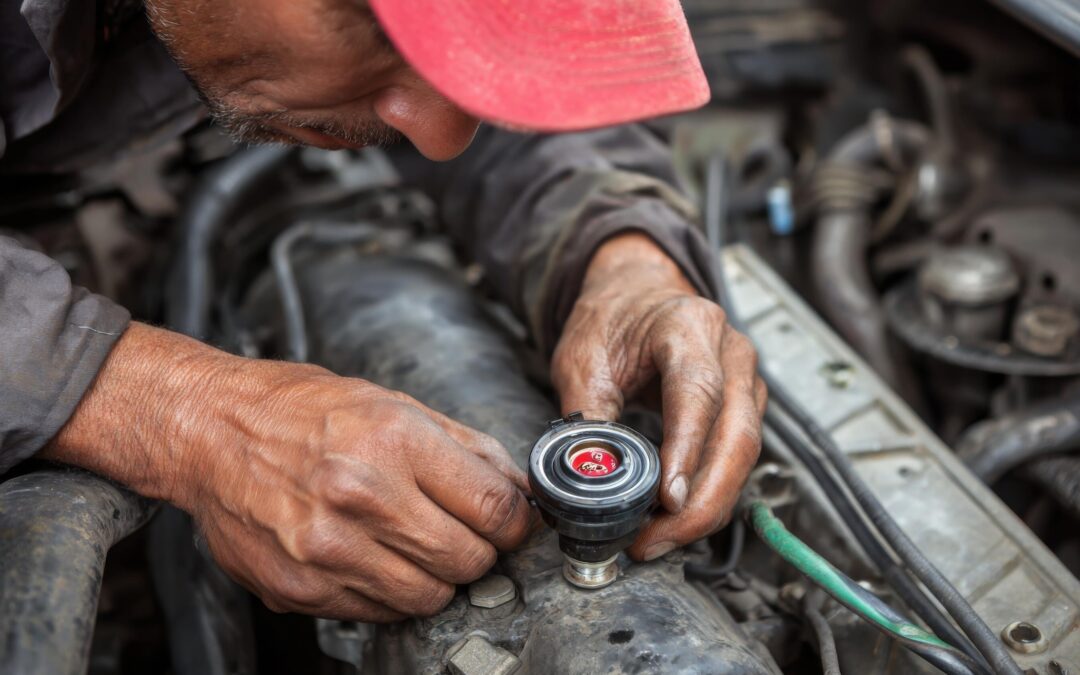
Pressure testing isolates cooling system leaks to specific components. A slow coolant loss might come from a water pump weep hole, a radiator end tank seam, or a heater core buried behind your dashboard. We pressurize the system and watch the gauge while inspecting each connection point.
What Happens When You Call
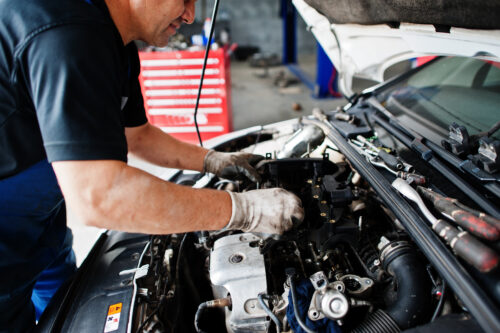
You describe the symptom, and we schedule time for proper diagnosis. We connect the scan tool, review fault codes and freeze-frame data, and perform targeted tests based on what the data reveals. We call you with findings before performing any repairs, and we explain what we found in terms that make sense. You approve the work, we complete the repair, and we verify the fix before returning your car.
Driven Auto Care of San Jose serves drivers throughout the South Bay who want answers before they authorize repairs. Call (408) 295-3786 to schedule your diagnostic appointment and find out what’s actually wrong with your car.