REVIEWS

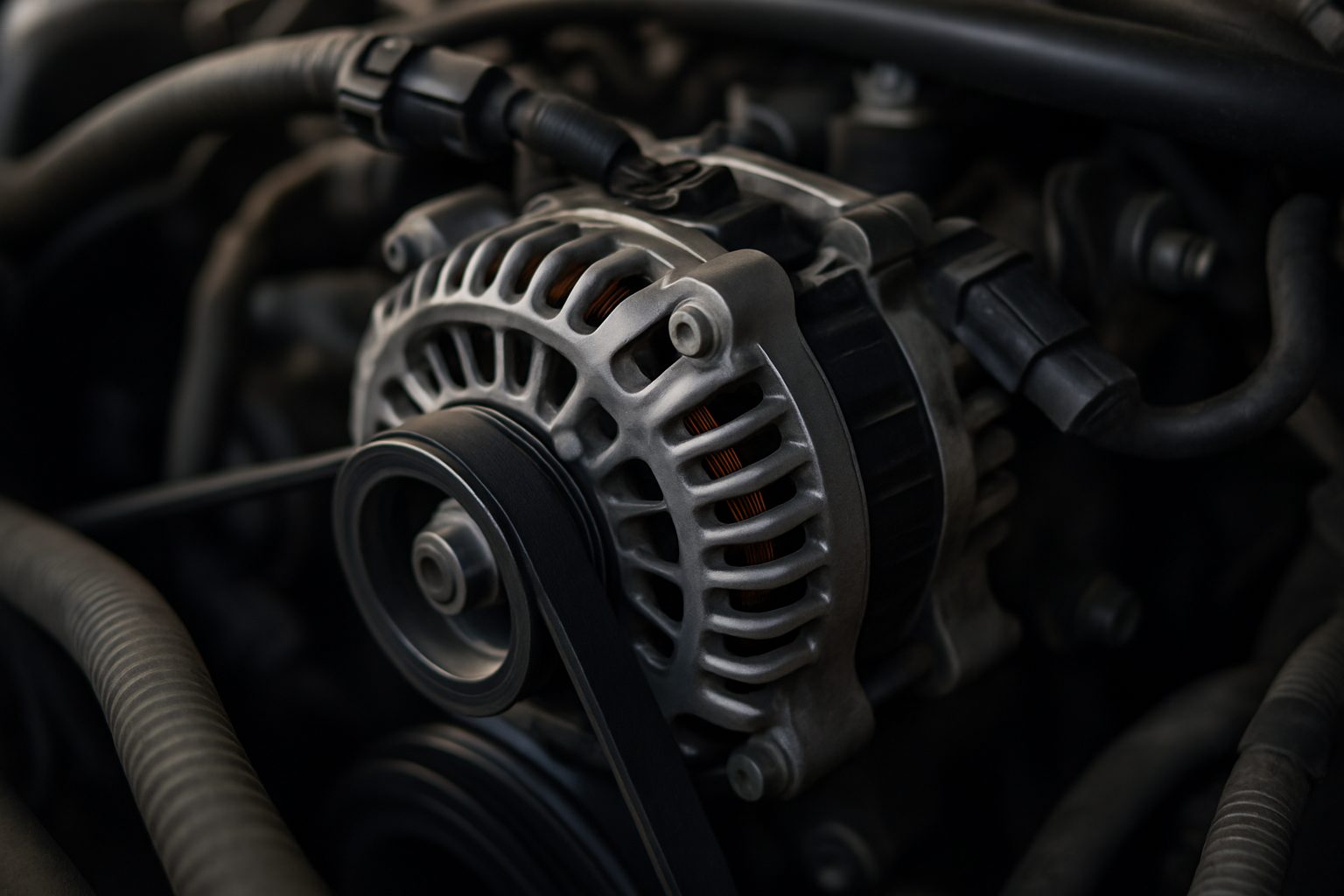
If your 2017 Toyota Tacoma has developed a whining, grinding, or squealing noise near the front of the engine, the alternator may deserve attention. The alternator powers the truck’s electrical systems and recharges the battery while the engine runs. However, pulley, bearing, belt, or tensioner problems may create similar sounds.
At Driven Auto Care of Fremont, CA, we serve Warm Springs drivers from our Fremont shop. Our electrical services include charging system diagnosis, alternator and battery replacement, and electrical troubleshooting.
Worn Alternator Bearings Can Become Noisy
Toyota explains that an alternator bearing allows the alternator to rotate smoothly while generating electrical power. Toyota also notes a worn or damaged bearing may create excessive noise and heat and may eventually contribute to alternator failure.
A rough bearing may sound like a growl, grind, or whine. The noise may change with engine speed because the alternator spins with the accessory drive.
Noise alone does not prove the alternator has failed. We isolate the sound before recommending replacement.
Belt Noise Can Sound Like Alternator Trouble
The Tacoma’s drive belt transfers engine rotation to accessories, including the alternator. Toyota’s 2017 Tacoma maintenance guide says drive belts should be inspected for cracks, excessive wear, oiliness, and proper tension, with damaged belts replaced.
A loose, glazed, contaminated, or worn belt may squeal, making the alternator seem noisy even when it is still working correctly. A worn tensioner or pulley may also create noise in the same area.
We inspect the belt system and the alternator together rather than assuming one part is responsible.
A Charging Warning Raises the Priority
Toyota lists a charging-system warning among the 2017 Tacoma’s dashboard indicators. Toyota’s warning-light guidance says the light indicates a malfunction in the vehicle’s charging system.
If alternator noise appears with a battery-shaped warning light, dimming lights, slow-responding electrical accessories, or repeated dead-battery problems, charging-system testing should be performed promptly.
The truck may continue running for a while on stored battery power, but once voltage drops too far, it may stall or fail to restart.
Battery Problems Can Mimic Alternator Failure
A weak battery may create slow starts and electrical complaints even if the alternator is functioning properly. Poor cable connections or corrosion may also affect charging performance.
We test battery condition and charging output together. Replacing an alternator will not solve a weak battery, bad connection, or wiring problem if the alternator is not the cause.
Pulley and Tensioner Problems Need Inspection
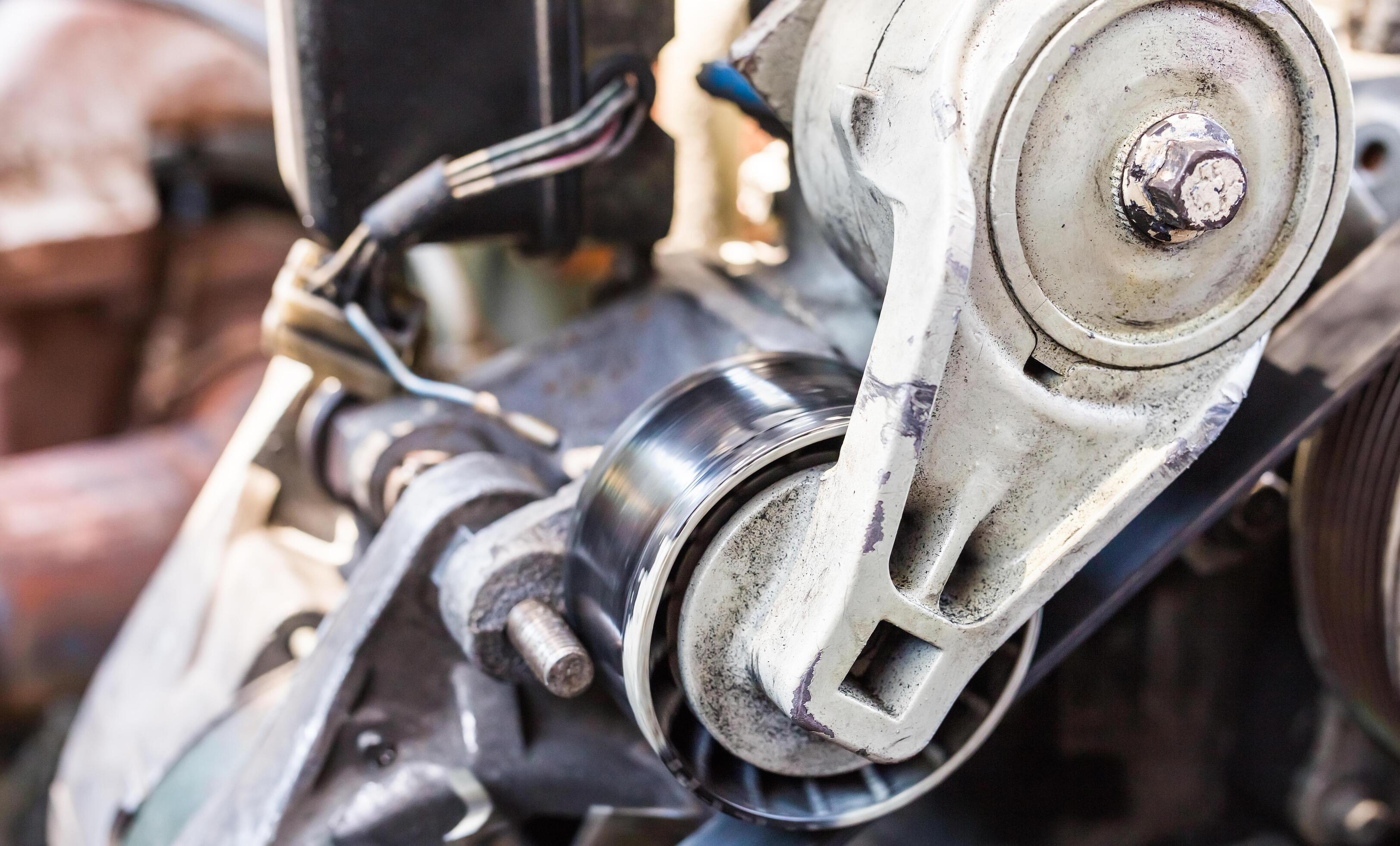
The alternator runs through the accessory belt, so nearby pulleys matter. A worn idler pulley, tensioner bearing, or damaged alternator pulley may produce squealing, rattling, or grinding sounds.
We inspect belt condition, pulley movement, bearing roughness, tension, and charging output before deciding which component needs repair.
Do Not Wait for Complete Charging Failure
A noisy alternator may continue working temporarily, but increasing bearing noise or unstable charging deserves attention. If a bearing begins binding or the accessory belt is damaged, the problem may worsen quickly.
Toyota’s maintenance guidance specifically calls for inspecting drive belts and replacing any that are damaged. Catching wear early may help prevent a roadside breakdown.
Schedule Toyota Alternator Service Near Warm Springs
Driven Auto Care of Fremont, CA provides charging-system diagnosis, alternator replacement, battery service, belt replacement, and electrical troubleshooting from our Fremont location. We serve Fremont, Warm Springs, Milpitas, Sunol, and surrounding East Bay communities.
If your 2017 Toyota Tacoma is whining, grinding, squealing, showing a charging warning, or repeatedly losing battery power, schedule an inspection. We will test the charging system, inspect the belt drive, identify the source of the noise, and recommend alternator replacement only when the results support it.