REVIEWS
If your 2017 Honda Accord still pulls left or right after a wheel alignment, the alignment itself may not be the only issue. Tire condition, inflation pressure, worn steering or suspension parts, brake drag, and road surface can all affect how the car tracks. Honda’s tire guidance says uneven tread wear is a reason to have wheel alignment checked.
At Driven Auto Care of Fremont, CA, we serve Warm Springs drivers from our Fremont shop. Our services include wheel alignment, tire service, tie rod replacement, ball joint replacement, wheel bearing replacement, and suspension diagnosis.
First Confirm the Alignment Measurements
A wheel alignment checks the angles at which the tires meet the road. If toe, camber, or caster falls outside specification, the Accord may pull, wear tires unevenly, or leave the steering wheel off-center.
However, acceptable alignment numbers do not explain every pull. We road-test the vehicle and compare its behavior with the measurements, rather than treating the alignment machine as the sole diagnosis.
Tire Pressure Can Make the Accord Drift
Honda recommends proper tire inflation because underinflation affects handling and causes uneven wear. A pressure difference between the left and right front tires may change how the Accord tracks even when alignment angles are within specification.
We check pressures cold, inspect the tread, and look for damage or uneven wear before blaming the suspension.
Tire Wear May Keep Pulling After Alignment
An alignment will not erase a wear pattern already built into a tire. If the Accord was driven for months with poor alignment, one tire may have developed uneven tread or a directional pull.
Honda advises checking wheel alignment when tires show uneven tread wear. We also compare tire conditions side to side because worn tires may continue to affect steering after alignment correction.
Worn Suspension Parts May Let Alignment Move
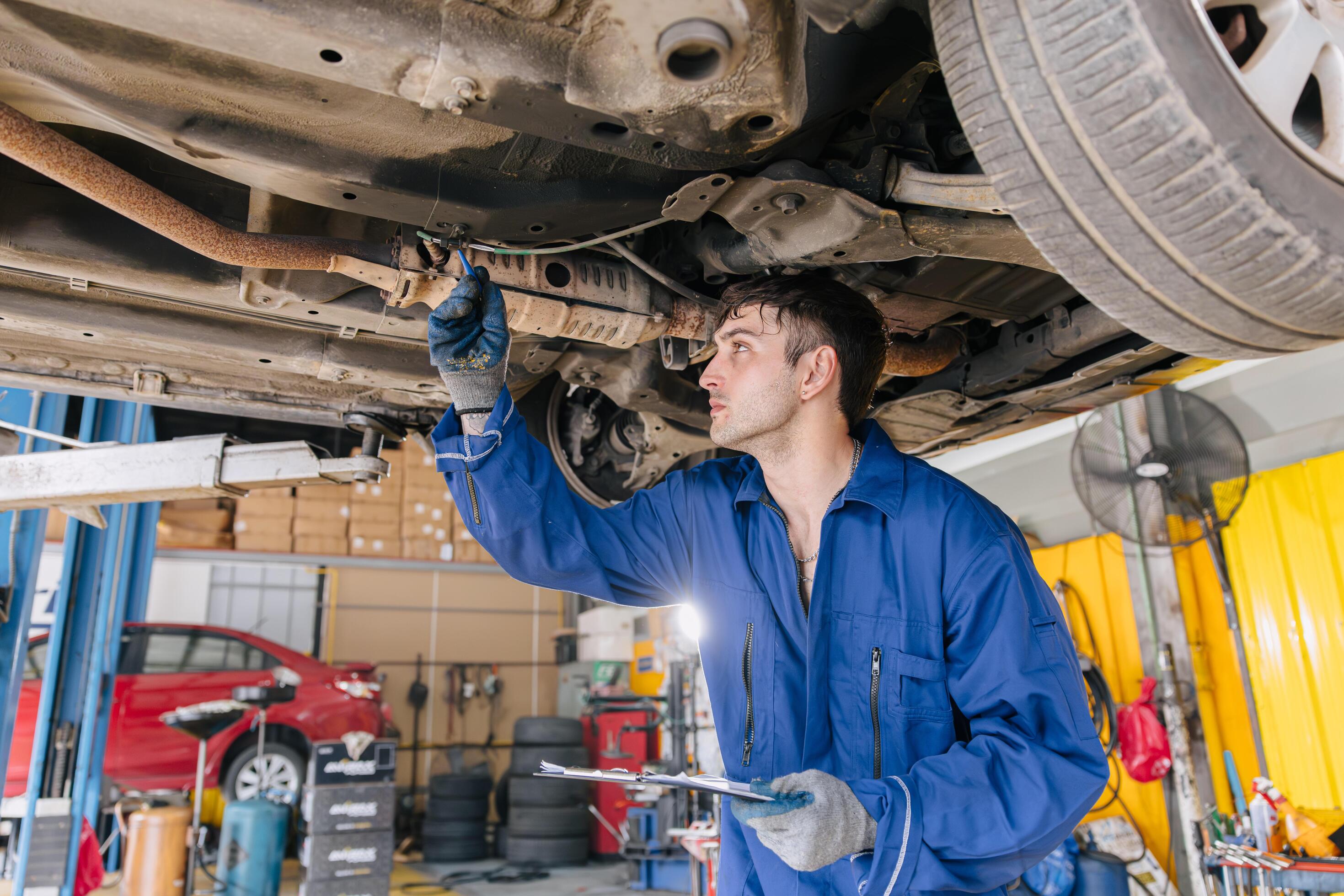
Tie rods, ball joints, bushings, wheel bearings, and other suspension parts hold the wheels in place. If a component has excess play, the alignment may measure correctly on the rack but shift under braking, acceleration, or road forces.
Driven Auto Care notes a pull may start in shocks, struts, ball joints, tie rods, or the steering system. We inspect for looseness and wear before assuming another adjustment is needed.
Brake Drag Can Pull the Car to One Side
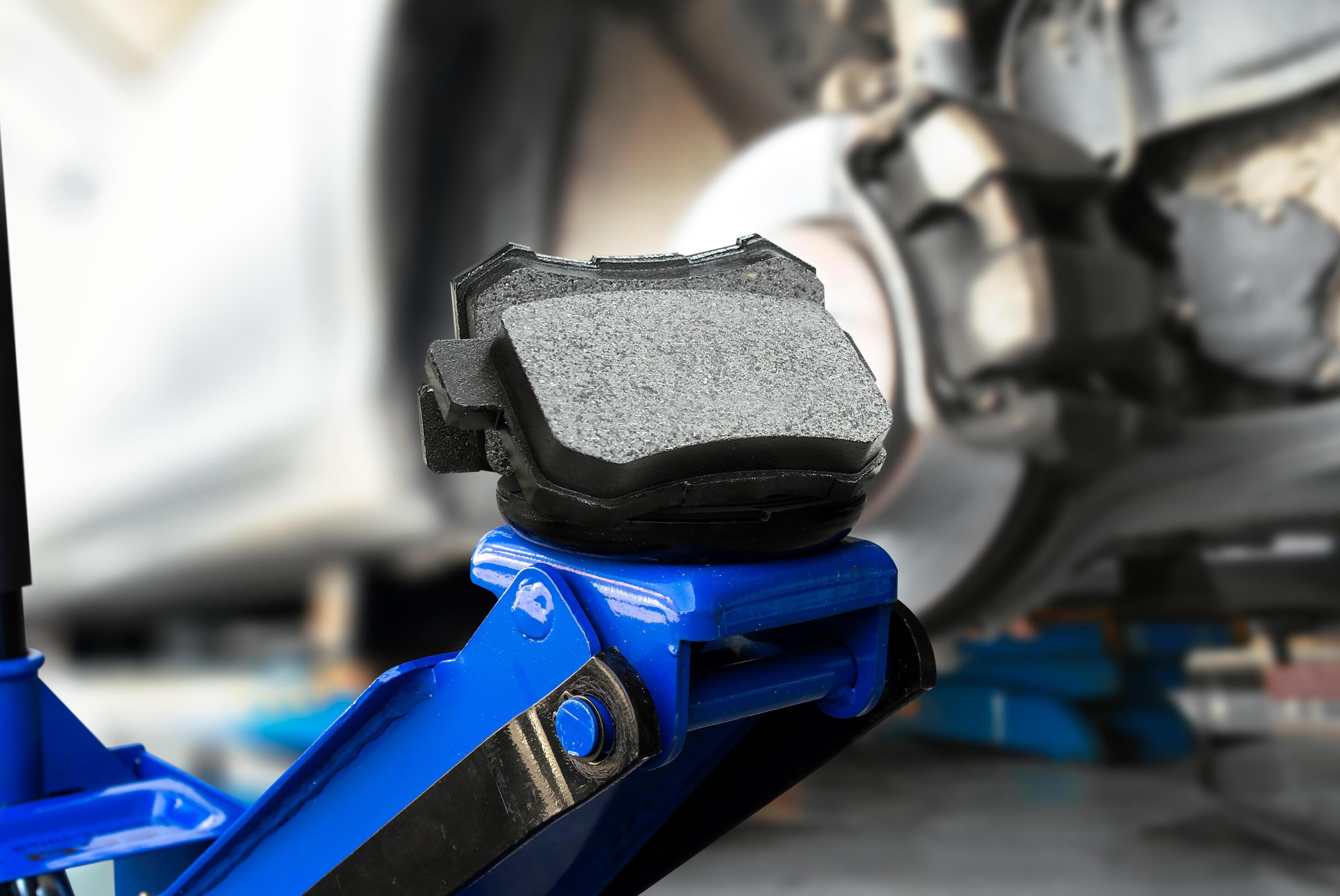
A sticking brake caliper or a related brake problem may cause the Accord to pull, especially during braking or after the brakes heat up. This is not an alignment problem.
If the pull changes while braking, we inspect the brakes along with the steering and suspension. Correcting wheel angles will not fix a caliper applying more force on one side.
Road Crown Can Affect the Test Drive
Most roads slope slightly for drainage. A mild drift on one roadway may disappear on a flatter surface or in the opposite direction.
This is why we road test before and after alignment work. We want to separate a repeatable vehicle problem from normal road influence.
Schedule Honda Alignment Diagnosis Near Warm Springs
Driven Auto Care of Fremont, CA provides wheel alignment, tire service, suspension diagnosis, tie rod replacement, ball joint replacement, and steering repair from our Fremont location. We serve Fremont, Warm Springs, Milpitas, Sunol, and surrounding East Bay communities.
If your 2017 Honda Accord still pulls after a wheel alignment, schedule an inspection. We will check alignment measurements, tire pressure, tread wear, suspension, steering, and brakes to ensure the repair addresses the real reason the car is not tracking straight.