REVIEWS
Your 2019 Jeep Wrangler may be overdue for brake repair if stopping takes longer, the wheels squeal or grind, or the pedal feels different under your foot. Mileage alone does not decide when brakes need replacement. Driving conditions, pad thickness, rotor condition, and hydraulic-system health tell us more.
At Driven Auto Care of Fremont, CA, we help Sunol drivers assess brake problems at our Fremont shop. We inspect the system before recommending pads, rotors, calipers, or other repairs.
Squealing and Grinding Deserve Attention
A brief squeak after rain or washing may disappear as surface moisture clears. Persistent squealing during stops, however, may indicate worn brake pads, glazed friction material, or contact between brake hardware and the rotor.
Grinding needs faster attention. If a pad wears through its friction material, metal parts may contact the rotor and damage its surface. Do not keep driving until the noise becomes constant. We inspect the pad thickness and related hardware to identify the source of the issue.
Steering Wheel Shake May Point to Rotor Trouble
If the steering wheel or brake pedal shakes during normal braking, uneven rotor thickness or friction deposits may be the cause. Loose suspension components or tire problems may produce similar sensations.
We examine the braking surfaces and check for mechanical play rather than assuming every vibration requires new rotors. ABS pedal pulsing during an emergency stop is different from repeated vibration during normal braking.
A Soft Pedal Is Not Normal Wear
A pedal traveling unusually low, feeling spongy, or losing firmness may indicate air in the hydraulic system, a fluid leak, or another brake-system fault. This is not a complaint to postpone.
Jeep's 2019 Wrangler service guidance says the brake fluid level should be checked during service and whenever the brake warning light is on. An abnormally low level warrants a leak inspection. If your pedal sinks or braking feels unreliable, stop driving and arrange a tow.
Pulling While Braking Needs Diagnosis
A Wrangler pulling to one side under braking may indicate uneven braking force due to a sticking caliper, a restricted hose, or a contaminated friction surface. Tire pressure and suspension issues may also contribute.
We compare both sides for pad wear, rotor condition, caliper movement, and evidence of overheating. Replacing pads alone will not solve a seized component.
Trail Use Changes What We Look For
Mud, sand, water, and debris around the wheels may affect brake components after off-road trips. We inspect sliding hardware, protective boots, and friction surfaces for trapped material, corrosion, or damage.
Frequent downhill driving and stop-and-go traffic also influence pad life. There is no reliable replacement date based only on the vehicle's model year.
Jeep Calls for Regular Brake Inspections
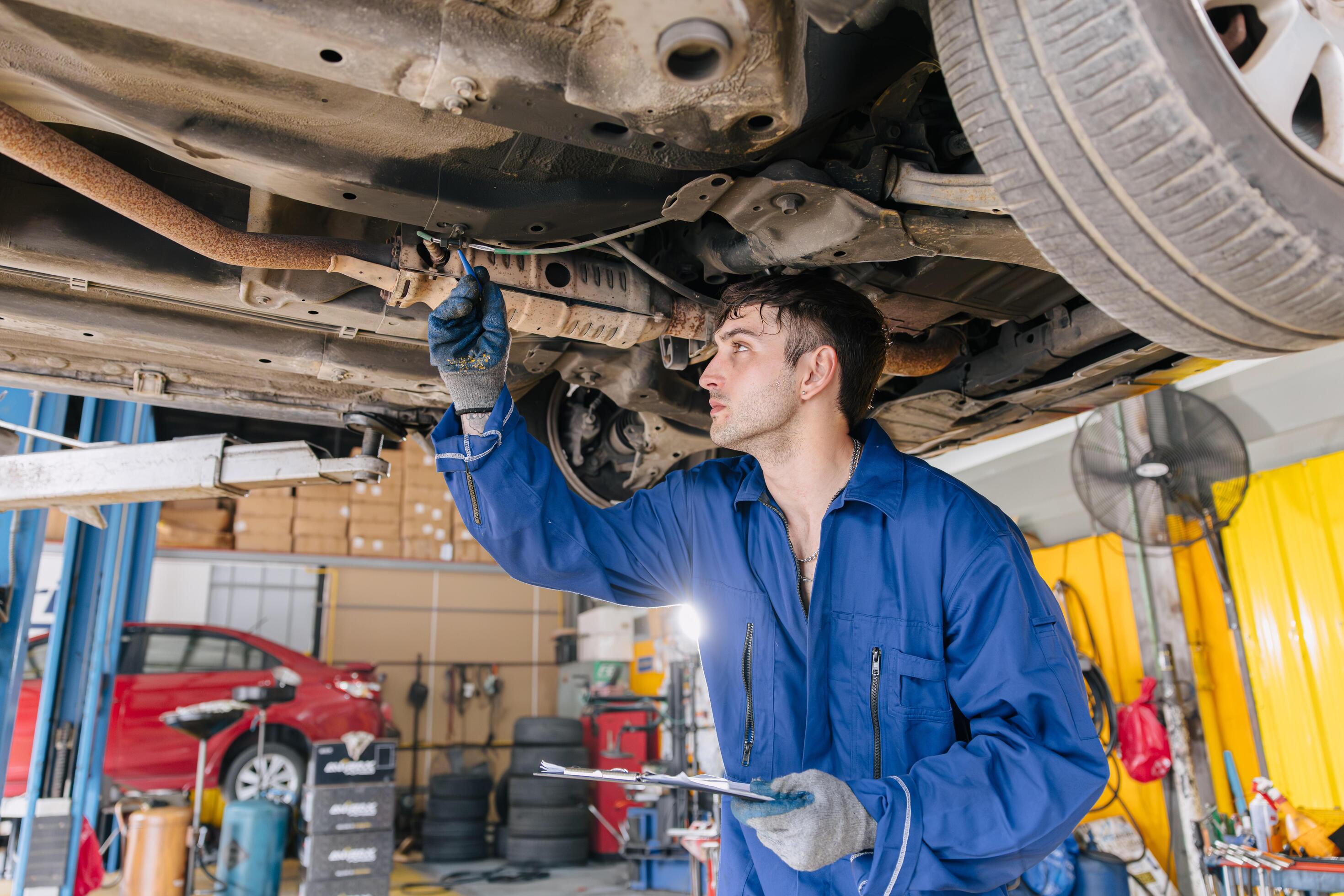
The 2019 Wrangler maintenance plan calls for inspecting the brake pads, rotors, hoses, and parking brake at each oil change. An inspection provides a better answer than guessing from mileage or waiting for noise.
Our Fremont location provides brake inspections, pad and rotor replacement, caliper repairs, brake hose service, and ABS diagnosis.
Schedule Wrangler Brake Service Near Sunol
If your Wrangler squeals, grinds, pulls, vibrates, or has an unusual brake pedal, schedule a brake inspection with Driven Auto Care of Fremont, CA. We serve Sunol and nearby East Bay communities from Fremont. We will identify the worn or faulty components, explain the findings, and recommend only the work your braking system needs.