REVIEWS
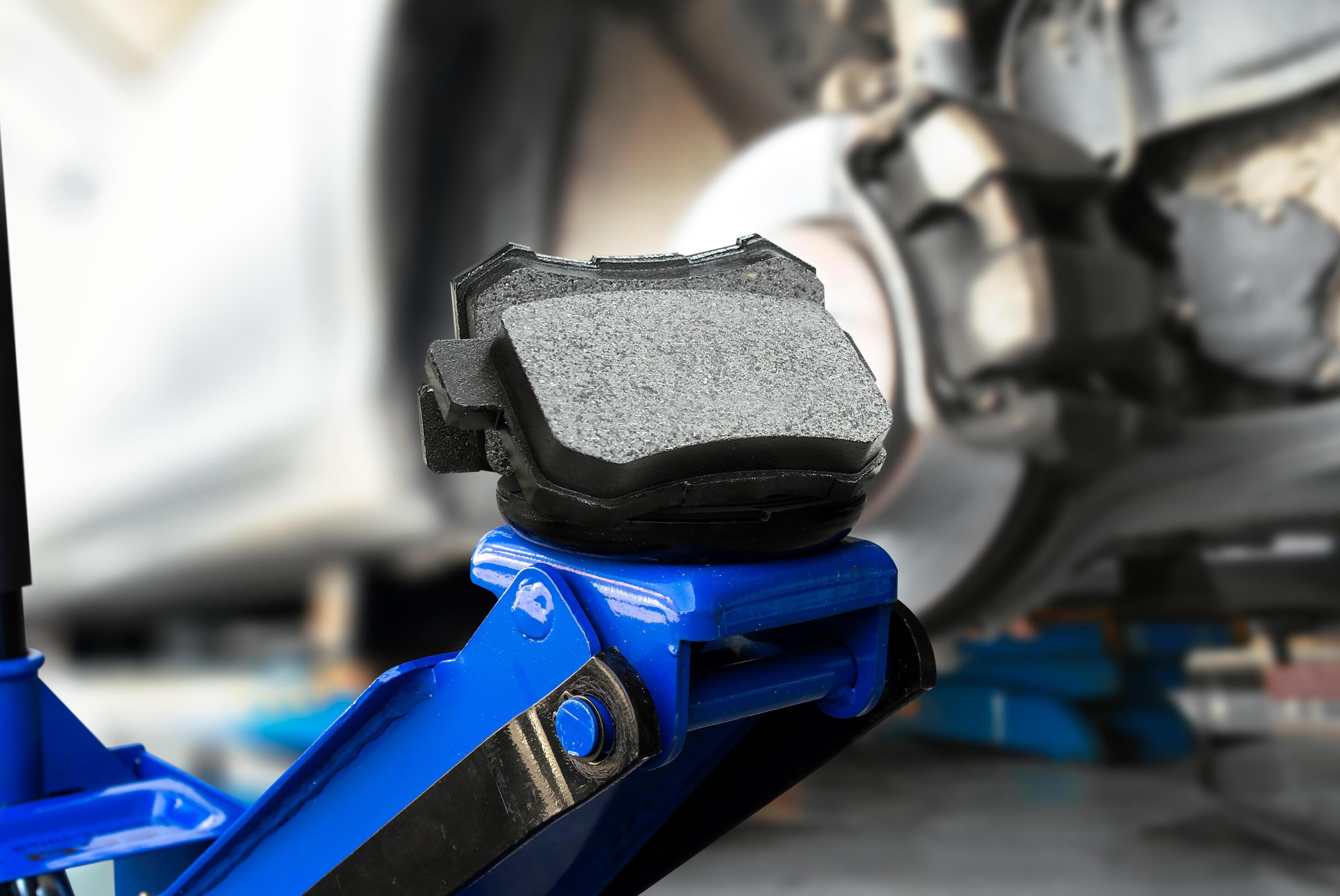
Brake pull on a half-ton truck narrows down faster than most owners realize. Three causes cover almost every case: a sticking caliper on the side opposite the pull, a brake hose failing on its inside diameter, or worn front suspension components that shift the truck’s geometry the moment weight transfers forward. At Driven Auto Care of Fremont, CA, our team handles Ram 1500 brake and front-end work for owners across Sunol, and three quick checks separate the three causes before the truck even comes off the road test.
A Sticking Caliper Bites Harder on One Side
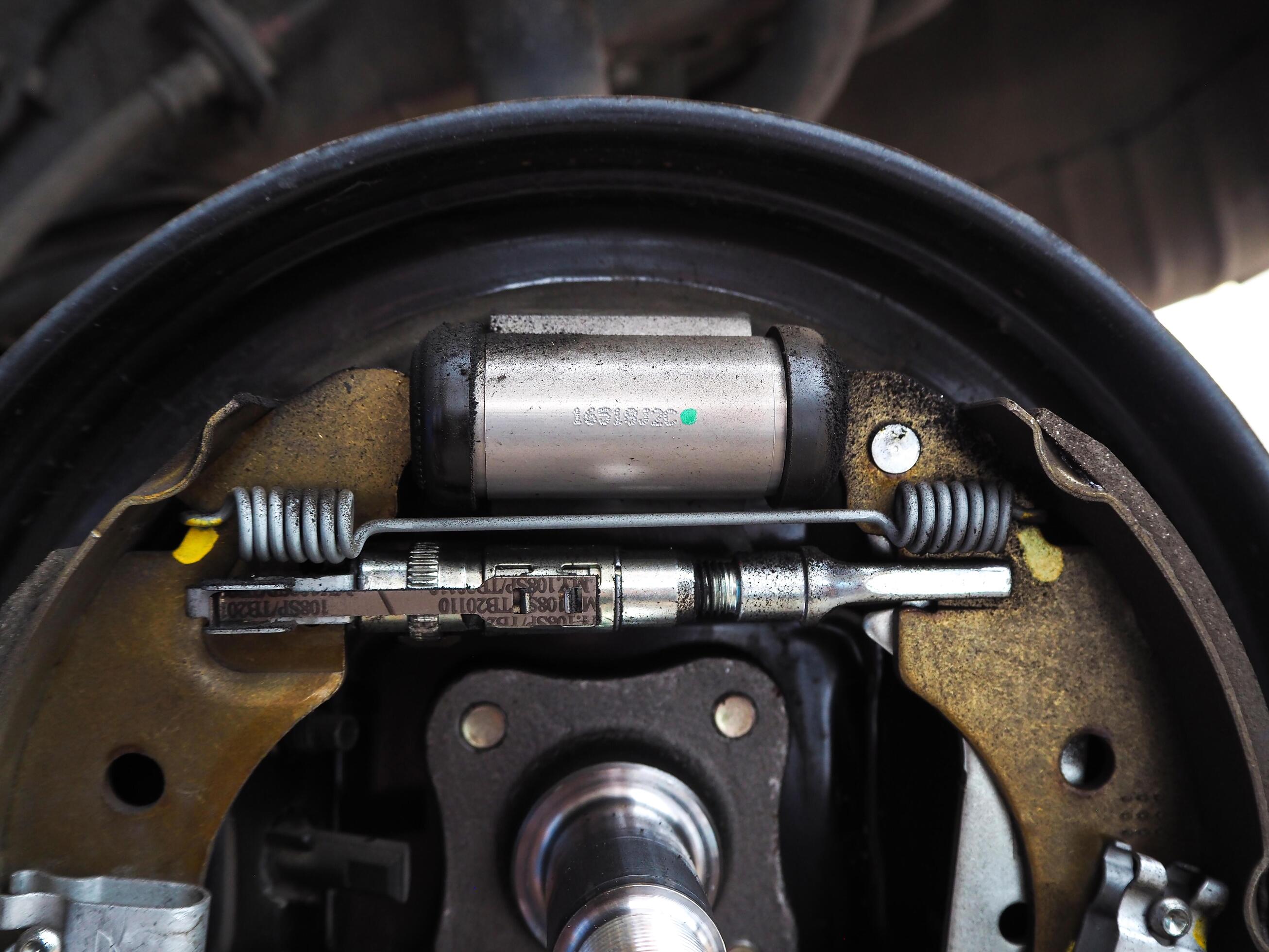
When a caliper slide pin seizes, or a piston binds in its bore, that wheel applies brake force unevenly compared to its counterpart on the opposite side of the truck. A Ram 1500 pulling left under firm braking usually has a right-side caliper that’s no longer releasing fully, which lets the left wheel grab harder and steers the truck in that direction. Rear caliper trouble on a Ram 1500 (rear discs since the 2002 model year) produces a softer, more gradual pull that grows with pedal pressure rather than snapping the wheel sideways.
A Brake Hose That Failed Internally Acts Like a One-Way Valve
Brake hoses fail in two directions, and each direction looks different from the outside. External cracks announce themselves with damp spots and brake fluid loss, but a hose failing on its inside diameter shows nothing on the outside and behaves like a check valve. Pressure builds normally when you press the pedal, but the trapped fluid releases slowly after you let off, leaving that caliper partly applied while the other side returns to rest. The undamaged side now does most of the braking work, and the truck pulls toward it on the next stop.
Worn Ball Joints and Tie Rod Ends
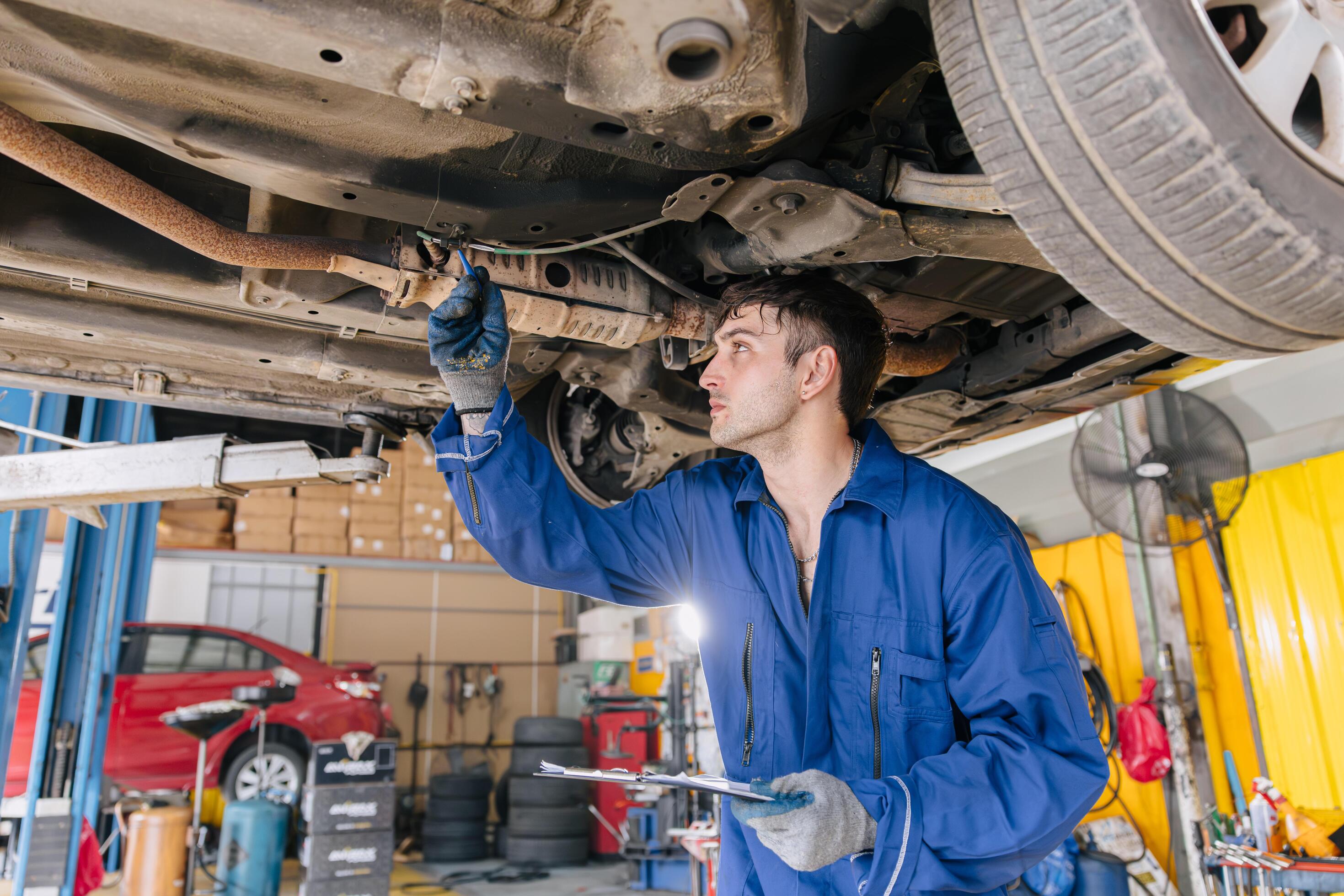
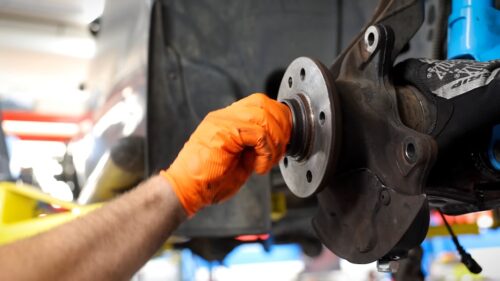
The Ram 1500 has used independent front suspension on 4WD and 2WD configurations since the 2002 model year, which means the front end relies on ball joints, control arm bushings, and tie rod ends to hold alignment under load. Worn ball joints walk the wheel through camber and toe angles the moment the truck dives forward under braking, and the steering follows the geometry. Suspension wear shows up most often on trucks past 100,000 miles, on regular tow vehicles, and on trucks that see frequent off-pavement driving.
A Hot-Rotor Check After a Short Drive
After ten miles of moderate stop-and-go driving, the two front rotors should sit at similar temperatures. A non-contact infrared thermometer pointed at each rotor sorts the diagnostic in under a minute: one front rotor measurably hotter than the other confirms a hydraulic or friction issue at that corner, and two rotors at equal temperatures with a pull remaining sends the diagnostic toward suspension and alignment. We follow with hose pressure-hold testing and a hands-on ball joint inspection on the rack.
Put the Truck on the Rack With a Date in Mind
Ram 1500 brake pull builds slowly, and most owners adjust their grip on the wheel before the truck makes the problem obvious. Ring up Driven Auto Care of Fremont, CA at (510) 270-3686 to schedule a brake-and-front-end diagnostic, and bring along the current mileage and the approximate date of your last brake service. Those two figures point our first checks toward the most likely suspect.