REVIEWS
Yes, a Chevrolet oil leak can reduce fuel efficiency and shorten engine life, especially if it persists long enough to reduce the engine’s oil supply. Many drivers think of an oil leak as a housekeeping problem first. They see a stain on the driveway, smell oil on a hot engine, or notice the level dropping between services. The bigger issue is what happens inside the engine as lubrication falls behind demand. Chevrolet’s own warning guidance says if the oil pressure light comes on while driving, you should pull over, shut the engine off, check the oil, and avoid restarting it if the light stays on.
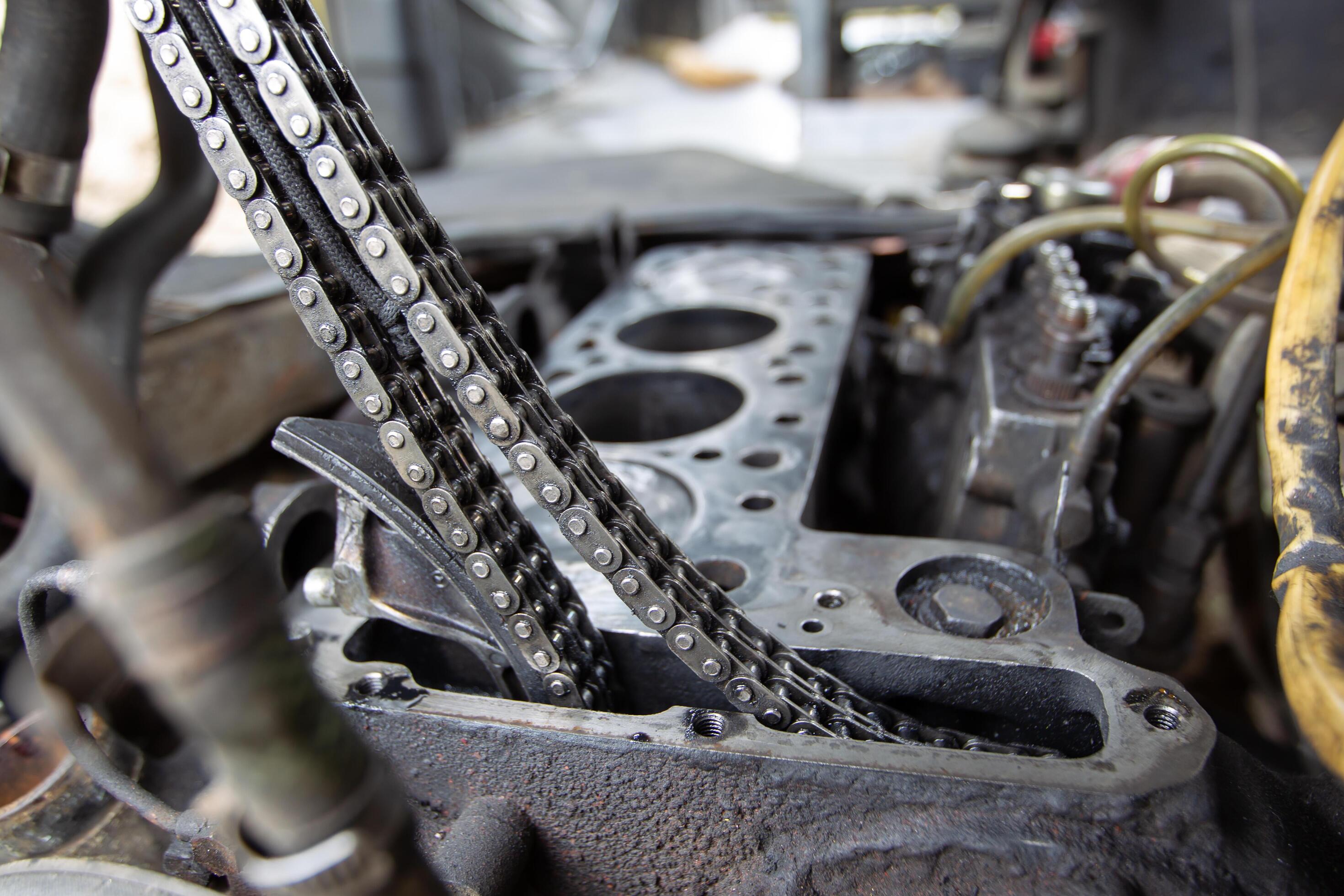
The engine-life side of the problem is the easiest to understand. Oil separates moving metal parts, carries heat away from critical areas, and helps control wear. Chevrolet owner’s manual material warns that low oil pressure can lead to severe engine damage, and GM also states that driving with the engine oil low can cause damage. Once the engine loses proper lubrication, wear accelerates on bearings, camshafts, timing components, and other internal parts. A leak may start small, yet the damage curve steepens once the oil level or pressure drops far enough.
Fuel efficiency is a little more indirect, but it is still real. The U.S. Department of Energy explains that oil and lubrication technology matter because engine friction consumes energy, and reducing parasitic friction improves fuel efficiency. DOE materials also note that low-viscosity lubricants and friction-reduction strategies improve fuel economy by reducing internal engine drag. So while a leak does not lower mpg in the same way an underinflated tire does, it can set up conditions that work against efficiency. As inferred from those sources, if a Chevrolet leak leaves the engine low on oil or unable to maintain proper lubrication, internal friction and energy waste increase, which can gradually degrade fuel economy and increase wear.
Another reason leaks get expensive is their deceptive nature. Driven Auto Care’s oil leak repair page explains that some leaks only appear while driving, others only after shutdown, and that airflow can spread oil across the engine and undercarriage, making the true source hard to identify. What looks like a major mess may be caused by a single failing gasket or seal. Common leak points include valve cover gaskets, oil pans, front or rear main seals, and timing covers. If the source is misidentified, owners can spend money on cleanup or the wrong repair while the real leak continues to drain oil in the background.
For Chevrolet owners in Sunol, the risk grows because many of these vehicles keep running well enough to make the problem feel non-urgent. Driven Auto Care of Fremont services Chevrolet models such as the Silverado 1500, Equinox, Tahoe, Traverse, Malibu, and Camaro, and the Fremont shop serves Sunol and the surrounding East Bay area. That local coverage matters because a truck or SUV used for commuting, cargo, or family driving may rack up a lot of miles before the owner realizes how much oil the engine is losing. By then, the leak will have already affected lubrication, heat control, and long-term durability.
At Driven Auto Care of Fremont, we treat oil leaks like engine problems, not just messy problems. We start by finding the exact source, then we assess how far the leak has progressed and whether a low oil level or pressure has already started affecting the engine. If your Chevrolet in Sunol has oil spots, a burning smell, smoke, or a falling oil level, now is the time to get it checked. Catching the leak early helps protect both fuel efficiency and engine life, while waiting usually turns a smaller repair into a much larger bill.