REVIEWS
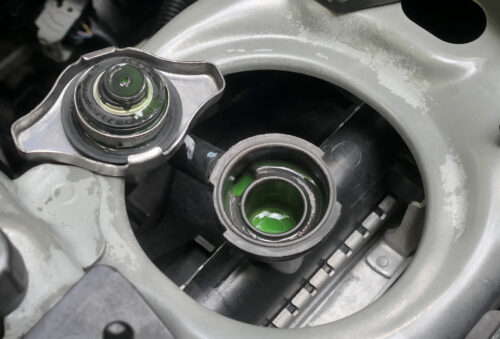
A Ford coolant leak can absolutely lead to long-term engine performance loss, and it usually starts in a way drivers underestimate. The leak may look minor at first. You might notice a sweet smell, a low coolant warning, a small puddle after parking, or a temperature gauge creeping higher than normal during traffic. Ford’s owner information clearly states the greater risk: operating an engine with a low coolant level can lead to overheating and possible engine damage. Once heat control starts slipping, performance problems are rarely far behind.
The reason performance drops is simple. Coolant regulates engine temperature, and modern Ford engines depend on stable operating temperatures to protect combustion efficiency, seals, gaskets, sensors, and internal metal components. When coolant leaks out, the engine may run hotter than intended for days or weeks before a driver sees steam. AAA notes that coolant leaks can cause overheating, which can lead to major failures, such as a blown head gasket or a cracked engine block. Before it gets that far, many drivers notice reduced power, rough running, or a vehicle that no longer feels as smooth or responsive as it used to.
Long-term damage becomes more likely because many coolant leaks are slow and inconsistent. At Driven Auto Care of Fremont, we already highlight Ford coolant leak concerns on our site, especially on Escape models, because these leaks often begin at a hose, a plastic fitting, a radiator seam, a thermostat housing, a water pump, or a gasketed connection. A small leak may only show up under pressure or after a longer drive. In Sunol, where commutes mix open roads with stop-and-go traffic, repeated heat cycles can turn a seep into a more serious loss without much warning. The engine keeps running, yet the cooling system keeps losing its margin for error.
Once coolant loss continues, heat begins to affect parts well beyond the leak point. Gaskets can weaken. Cylinder head surfaces can warp. Sensors may begin sending bad information. If overheating continues, combustion quality can suffer, and the engine may run rough, misfire, or lose efficiency. Ford also warns that improper coolant concentration can cause corrosion, overheating, or freezing, all of which can damage the engine over time. In other words, a coolant problem is never just about fluid level. It is about protecting the engine from heat and corrosion before both begin chipping away at performance and reliability.
This is also why topping off coolant is not a real fix. Adding fluid may buy time, but it does not address the source of the leak and can create a false sense of confidence while damage continues in the background. A Ford may seem fine on one trip and run hot on the next. Driven Auto Care’s Fremont location serves Sunol and nearby East Bay drivers, and our site already highlights common Ford problems we see, including Escape coolant leaks. We inspect the full cooling system, confirm the exact source, and look for signs that the engine has already been stressed by repeated heat exposure.
At Driven Auto Care of Fremont, we want Ford owners to catch these issues before they turn into major engine work. We service models like the F-150, Escape, Explorer, Edge, Mustang, and Ranger, and we know a coolant leak is rarely something to “watch for a while.” If your Ford is losing coolant, running warmer than usual, or leaving fluid behind after parking, now is the time to get it checked. A small leak today can turn into a lasting loss in engine performance tomorrow, and the repair bill usually grows faster than people expect.