REVIEWS
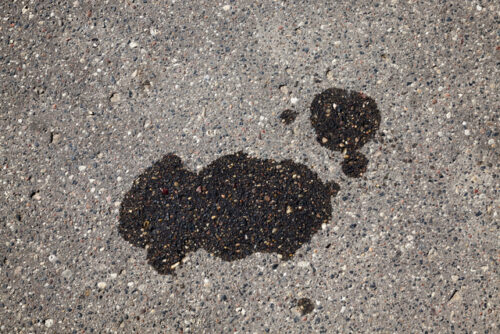
You smell burning oil every time your Kia idles at a stoplight, but there’s no puddle forming anywhere under the engine. That disconnect makes sense once you understand where the oil is landing. From 2011 to 2019, Optima and Sorento models with the 2.4L Theta II four-cylinder engine had valve cover gasket leaks oil onto the exhaust manifold heat shield mounted to the back of the engine. The shield surface runs hot enough to evaporate oil on contact, so the fluid never accumulates into a drip. It turns to vapor, rises through the engine bay, and enters the cabin through the ventilation intake. Sunol drivers who’ve been catching that smell during their commute through Niles Canyon are breathing evidence of a gasket failure that’s been active for weeks, and Driven Auto Care in Fremont diagnoses Theta II leaks with a focus on what caused the gasket to fail in the first place.
The Gasket You Can See
The decorative engine cover on the Theta II blocks your view of the valve cover surface, and most owners never remove it between oil changes. Beneath that cover, the valve cover gasket sits in a machined channel that runs the perimeter of the cylinder head’s mating surface. The gasket material is a molded rubber compound that compresses and hardens over 50,000 to 70,000 miles of heat cycling. Once the rubber loses elasticity, oil pressure inside the valve cover pushes fluid past the seal lip. The oil tracks down the rear face of the cylinder head, contacts the exhaust manifold heat shield within a few inches, and starts burning. We remove the engine cover, clean the area with degreaser, and inspect the gasket channel under a work light to confirm the seal has deteriorated and map exactly where oil is escaping.
The Pressure Problem Underneath
Here’s where the diagnosis goes deeper than most shops take it. The Theta II engine uses a Positive Crankcase Ventilation valve that routes combustion gases from the crankcase back into the intake manifold, maintaining a slight vacuum inside the engine. When that PCV valve sticks in the closed position, the crankcase can’t vent. Pressure builds inside the engine with nowhere to go, and that pressure pushes oil past every gasket surface it can find, starting with the weakest seal on the engine. A technician who replaces the valve cover gasket without checking crankcase pressure sends the car home with a fresh seal that’s already fighting the same internal force that destroyed the old one. The new gasket holds for a few months, the pressure wins again, and the burning smell returns.
A Field Test That Takes Thirty Seconds
We pull the oil fill cap with the engine running at idle and hold our palm over the opening. A healthy PCV system creates a slight vacuum that you can feel pulling at your hand. A stuck PCV valve produces positive pressure that pushes air out of the opening, and in severe cases, you’ll see a light mist of oil vapor escaping from the cap hole. That thirty-second check determines whether the PCV valve needs replacement alongside the gasket, and it’s the difference between a repair that holds and one that comes back.
Fix the Seal and the System at the Same Time
Resealing a Theta II valve cover without addressing crankcase pressure is a temporary fix on a permanent problem. Driven Auto Care in Fremont serves Sunol Kia owners with a two-layer diagnostic approach that covers the gasket and the ventilation system in a single visit. The details are in the article you’ve been reading; the next step is calling (510) 270-3686 so we don’t have to reseal the same cover twice.