REVIEWS

Your Audi has more than fifty control modules exchanging data across multiple networks, and any one of them can throw a fault code that points somewhere other than the failed component. The traction control warning illuminates, but the wheel speed sensor tests fine. The check engine light stores a camshaft position code, but the sensor responds correctly when commanded. Audi electrical diagnosis requires following the data backward through the network until you find where the signal breaks down.
The Sensor Gets Blamed First
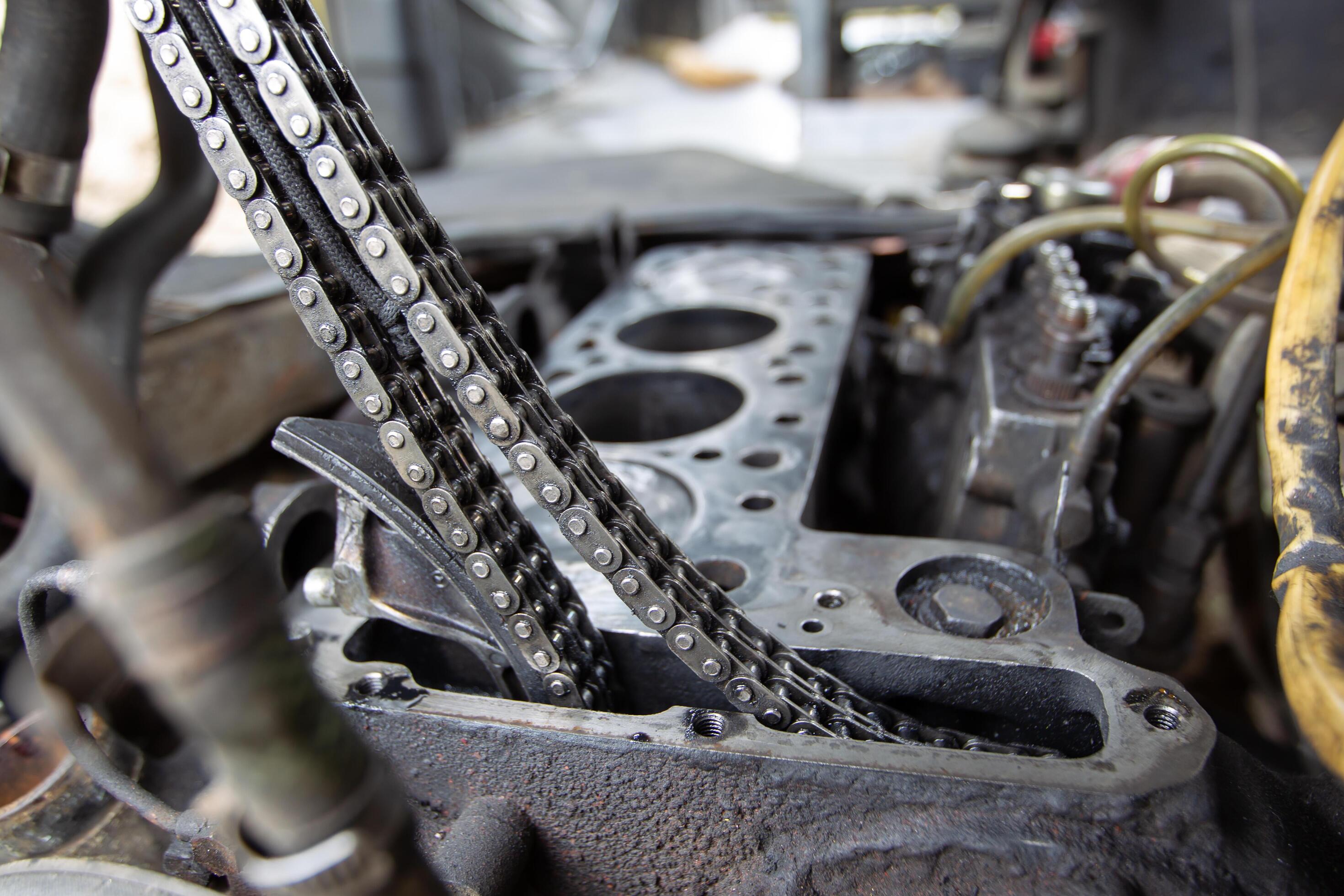
A fault code names a sensor or circuit, and most shops order that sensor without testing whether it functions. Camshaft position sensor codes on the EA888 2.0T engine appear in Audis built between 2009 and 2017, and heat exposure near the turbocharger shortens sensor life. But the same code appears when the timing chain has stretched, when the VANOS solenoid sticks, or when the wiring harness has chafed against the valve cover. We command the sensor through the scan tool and watch the response. A sensor that responds to commands works; the fault lives upstream in the mechanical timing system or the wiring path.
Ground Points Corrode in Hidden Locations
Audi electrical systems rely on chassis ground points bolted to the body and engine block. Corrosion at a ground connection creates resistance that disrupts communication between modules and causes faults that seem unrelated to each other. Dim headlights, erratic gauge readings, and communication errors across multiple modules often trace to a single corroded ground bolt behind the dashboard or under the battery tray. We measure ground resistance with a multimeter; anything above half an ohm indicates a connection that needs cleaning or replacement. A five-minute repair at the ground point can eliminate warning lights that would otherwise lead to hundreds in unnecessary sensor replacements.
Steering Angle Sensors Need Calibration After Service
The steering angle sensor tells the stability control system which direction you intend to turn. Wheel alignment, suspension work, or even disconnecting the battery can offset the sensor’s zero point. An uncalibrated sensor causes traction control and electronic stability program warnings because the system sees a mismatch between steering input and vehicle direction. We recalibrate steering angle sensors after any service that affects suspension geometry. Shops that skip this step send customers home with warning lights that return within miles of leaving the lot.
TPMS Sensors Die Quietly
Tire pressure monitoring sensors contain batteries that last between five and seven years. When the battery dies, the sensor stops transmitting, and the TPMS warning light stays on regardless of tire pressure. Replacing one sensor often reveals that others are near end of life, and we recommend replacing all four when mileage and age suggest the remaining sensors won’t last another tire rotation cycle. The warning light doesn’t distinguish between low pressure and a dead sensor, so testing with a TPMS activation tool confirms which condition you’re facing.
Headlight Ballasts Fail Without Warning
Xenon and HID headlight systems use ballasts to generate the high voltage that ignites the arc tube. A failing ballast causes the headlight to flicker, delay ignition, or refuse to light at all. The symptom mimics a bad bulb, and replacing the bulb doesn’t fix anything when the ballast has failed. We test ballast output voltage before condemning bulbs, and we inspect the wiring connector for heat damage that indicates resistance in the circuit.
Diagnosis Costs Less Than Parts You Don’t Need
Driven Auto Care in Fremont serves Milpitas Audi owners who want electrical problems traced to their source. Call (408) 295-3786 when warning lights multiply and nobody can explain why, and we’ll isolate the fault before recommending any parts.