REVIEWS
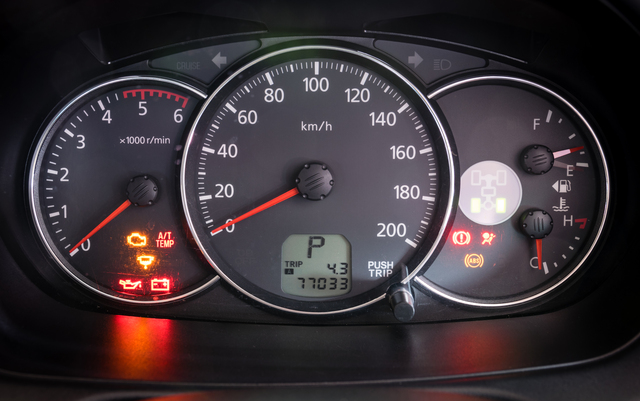
Reading a fault code takes thirty seconds and a basic scan tool. Understanding what caused that code requires digging into data that most diagnostic equipment never displays. The code is a headline. The freeze-frame capture is the first paragraph. Mode $06 results tell the middle of the story. Live data monitoring reveals the ending. Sunnyvale drivers who’ve had the same check engine light return three times already know that code reading alone doesn’t solve anything.
Layer One: The Code Itself
Fault codes follow a standardized format across all manufacturers. The first character indicates the system, the second shows whether it’s a generic or manufacturer-specific code, and the remaining digits identify the circuit or component. A code tells you where the computer detected abnormal readings, but it doesn’t explain why those readings went wrong. Shops that replace the part named in the code description skip the investigation that determines root cause. The light goes off, the customer drives away, and the underlying condition persists until the code returns.
Layer Two: Freeze-Frame Captures
When a fault triggers, the computer snapshots engine operating conditions at that exact moment. Engine speed, vehicle speed, coolant temperature, calculated load, and fuel trim values all get recorded. A misfire code that set at idle with the engine warm points toward different causes than one that set under heavy acceleration with a cold engine. Idle misfires suggest ignition or vacuum leaks. Acceleration misfires suggest fuel delivery or compression problems. The freeze-frame narrows the diagnostic path before any physical testing begins.
Layer Three: Mode $06 Test Results
Mode $06 stores the raw test data that the computer uses to decide whether a system passes or fails. Catalyst efficiency, oxygen sensor switching speed, misfire counts per cylinder, and evaporative system leak test results all live in Mode $06 with their pass/fail thresholds displayed alongside measured values. A catalyst that passes today might show efficiency at 92% of the failure threshold, meaning it will set a code within months. We check Mode $06 to catch components trending toward failure before they strand you on Highway 85 with a new warning light.
Layer Four: Live Data Under Operating Conditions
Some faults only appear under specific conditions that freeze-frame captures can’t reproduce. An intermittent misfire that happens during deceleration won’t show in data recorded at steady cruise. We monitor live parameters while driving the vehicle through the conditions that trigger the symptom. Fuel trim values at idle versus 2,500 RPM reveal whether a lean condition affects the whole operating range or only certain throttle positions. Oxygen sensor voltage patterns during steady-state driving expose sluggish sensors that haven’t technically failed yet.
Intermittent Faults Hide From Basic Scans
A fault that comes and goes may store as a pending code without illuminating the check engine light. Pending codes indicate the computer detected a problem once but hasn’t confirmed it through the required number of drive cycles. Shops that only read current codes miss pending faults entirely. We pull pending codes, history codes, and permanent codes to see the complete diagnostic picture, not just what’s active at the moment you drove into the parking lot.
Get the Full Diagnostic in San Jose
Driven Auto Care serves Sunnyvale with check engine light diagnosis that reads all four data layers before recommending any repair. Call (408) 295-3786 when you’re tired of replacing parts that don’t fix the problem, and we’ll find what’s been hiding in your car’s diagnostic memory.