REVIEWS
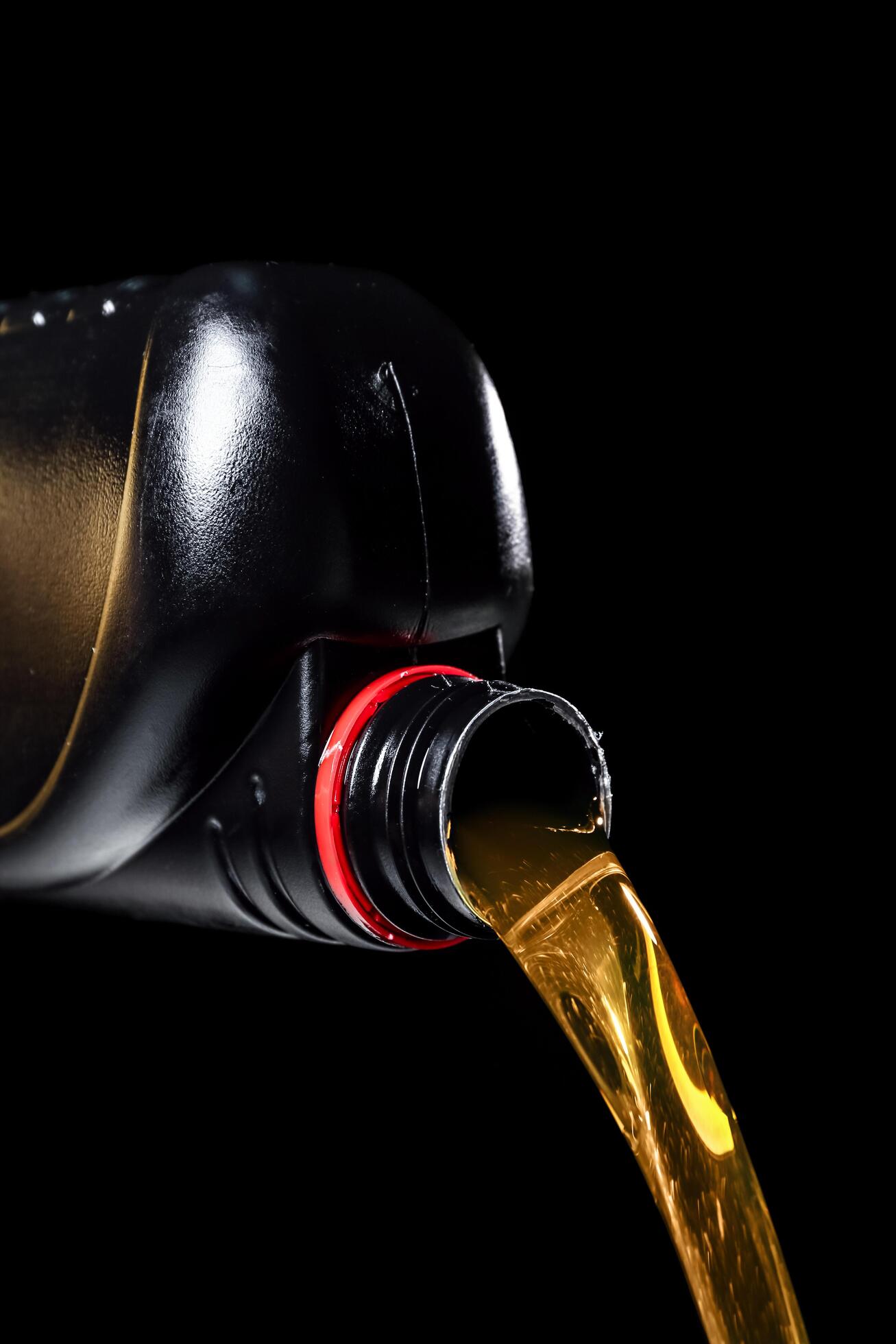
A working summer spends an F-150's oil faster than the miles do, and the oil life reading is where that shows up. You check the odometer against the sticker, and by that count the next change is still ahead. Then you look at the cluster, where the oil life has dropped past what those miles should have cost. Your first thought is that the display runs conservative, or that it's a sales tool wired into the dash. You know what the truck has been hauling. We set the interval at Driven Auto Care of San Ramon from that work, read against what the oil shows. Around Dublin this summer, that work has meant towing on weekends and idling on job sites all week.
What Is Your Truck Counting Instead of Miles?
An F-150 doesn't count down to a service. The interval gets calculated from how the truck ran and how long it has been since the last service. The mileage you see follows from that. Two F-150s bought the same day can land on different intervals, because one commuted and yours worked. That is why the mileage rule in your head lands so far from the dash. The monitor is a good guide and it's still an estimate, so Ford also sets an outer limit in the owner's manual.
What Oil Does Besides Lubricate
Fresh oil carries additives, and they do most of the protecting. They hold soot and combustion byproducts in suspension, so the particles stay off the metal. They also leave a film tough enough to survive being squeezed between moving parts. Those additives get used up as they work. The base oil thins and oxidizes at the same time, so the oil ages from both directions at once. Neither shows on the dipstick until it's well along, and dark oil is often oil doing its job. The level is the more useful reading on that stick, since consumption rises as oil ages and heat drives off the lighter fraction.
Do All Miles Cost the Oil the Same?
A steady freeway run costs the oil little. The same distance behind a loaded trailer in August costs a great deal more. Heat and load spend the oil. Ford names the conditions that shorten the interval, and every one of them fits a working summer around Dublin. The list runs to towing, hauling, long idles, short trips, and stop-and-go traffic in high heat. Short trips work the other direction, since an engine that never reaches full operating temperature doesn't boil off the moisture and fuel in the oil.
Idling Adds Hours to Oil and Nothing to the Odometer
Idling is the part almost nobody counts. A truck parked at a job site with the engine running puts hours on its oil, and the odometer stays exactly where you left it. The oil circulates hot the whole time while the trip meter sits still. Across a whole summer of job sites, those hours add up to service the mileage never shows. The dash shows the oil life, and what the truck was doing comes from you at the counter.
In a Turbocharged Truck, the Oil Runs Hotter
Not every F-150 is turbocharged, and the ones that are run their oil harder. A turbocharger is spun by exhaust gas at high temperature; it is cooled in part by the engine oil passing through it. That oil comes back hotter than the same oil in a naturally aspirated engine. Hotter oil oxidizes faster than cooler oil. F-150s have been built with several engine families that don't all take the same oil. The engine in your truck sets what goes in it. The cap under the hood and your owner's manual name it.
Bring the Summer's Work to the Counter
Tell us how the summer went for the truck. A truck that towed on weekends and idled on job sites gets its interval set from that work. Saying so at the counter changes what we recommend. We read the oil life history alongside the level and condition on the dipstick. A level that has fallen since the last service turns a top-up into a look for leaks. The filter goes with the oil every time. Replacing the filter with the oil gives the fresh fill full filtering capacity from the start.
When the oil life has run down ahead of the miles, a summer of towing and idling is what spent it. Schedule the service on that reading with a call to Driven Auto Care of San Ramon at (925) 830-4701. We match the oil to the engine in your truck, and we set the interval from the work you describe at the counter. Have that summer in your head when you call, the towing weekends and the mornings the engine ran while the truck stood still.