REVIEWS

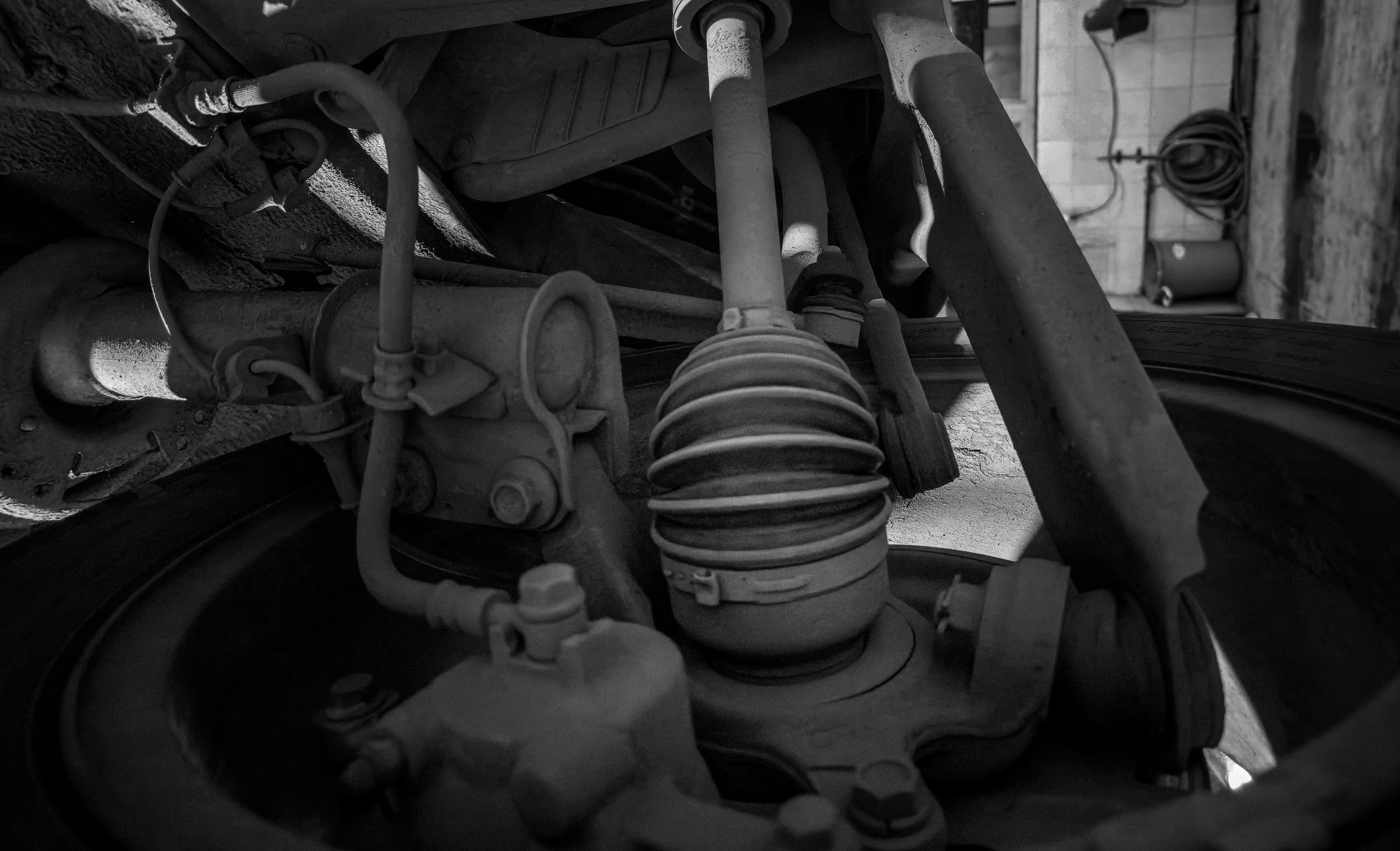
If you hear a dull clunk from the front of your Buick Enclave each time you roll over a Danville driveway lip, the lower control arms are the first place to look. At Driven Auto Care of San Ramon, we start there at our San Ramon shop. Each front wheel hangs from one of these steel arms, which bolts to the frame at two rubber bushings and holds the wheel at a ball joint on its outer end. With seats for seven or eight people, the Enclave puts heavy weight on those bushings over every bump. With miles, the rubber cracks and loosens until the arm shifts inside its mounts.
Which Sound Points to Which Bushing?
On a 2011 to 2017 Enclave, a clunk over bumps comes from one of two places. One is the coil spring wearing into its seat on the front strut. The other is a worn bushing on the lower arm, and that includes the bushing at the back of the arm. Both make the same thud, so we inspect the strut and spring along with both bushings on each side.
We trace a lighter rattle or creak at slow speed over broken pavement to a different bushing. On 2013 to 2017 Enclaves, that sound can start at the front bushing of the lower arm, the one closer to the bumper. When you describe which sound you hear, we start on the right corner of the suspension.
A Shake or Tug When You Brake
The bushing at the back of each lower arm takes most of the push when you brake. When your foot goes down on the brake, the tire grabs the road and pulls the wheel backward. That's the bushing holding the wheel in place. Once its rubber wears, the wheel can shift back under braking.
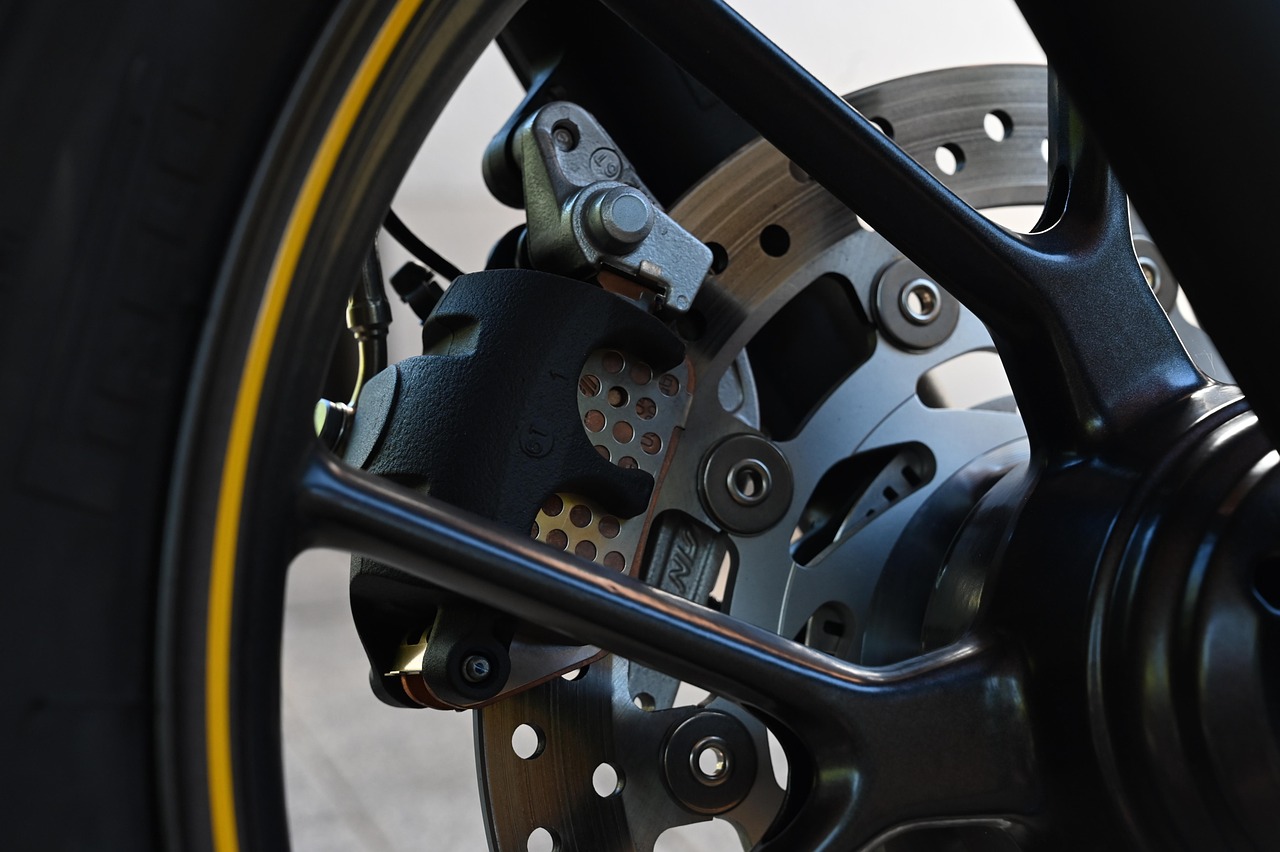
If the steering wheel shimmies when you slow from highway speed, or the Enclave tugs to one side as you stop, it's likely a worn rear bushing. A clunk right as you come to a stop, or as you lift off the brake, fits the same wear. We look at the brake rotors on the same visit, since a pulse through the brake pedal points toward them.
Wander and Uneven Tire Wear
Worn bushings let the front wheels change angle as you drive. If you find yourself making small corrections to hold the Enclave straight on the freeway, the arms may be letting the wheels drift. The same movement shows on the tires, where the inner or outer edge of a front tire wears faster than the rest of the tread. New tires on loose arms wear the same way again, so the arms come first.
What We Find on the Lift and How We Fix It
With the Enclave in the air, we pry between each lower arm and the frame and watch the rubber in both bushings. Cracked or torn rubber, or an arm that moves inside its mount, marks a worn bushing. The ball joint, the strut and spring, and the sway bar links can all knock over bumps too, so we check them as well. We photograph what we find with our digital vehicle inspection, so you see the worn bushing for yourself.
When a bushing is worn on one of these Enclaves, we replace that whole lower arm. A new arm arrives with fresh bushings and a new ball joint already pressed in. GM sets the order for tightening those bolts, and we follow it on each side. Then we align the front wheels so the tires track straight.
Book Your Enclave In
Call Driven Auto Care of San Ramon at (925) 830-4701 and describe the clunk or the shake you feel. We'll put your Enclave on the lift and inspect the front suspension. Any worn arms get replaced, and you drive home in an Enclave that steers straight again.