REVIEWS

On the drive home through Danville, you feel your Kia Sorento drift toward one side of the lane. When you step out, a sharp, hot smell rises from the front wheel on that same side. That smell comes from a brake pad still pressing on its rotor after you lifted your foot off the pedal.
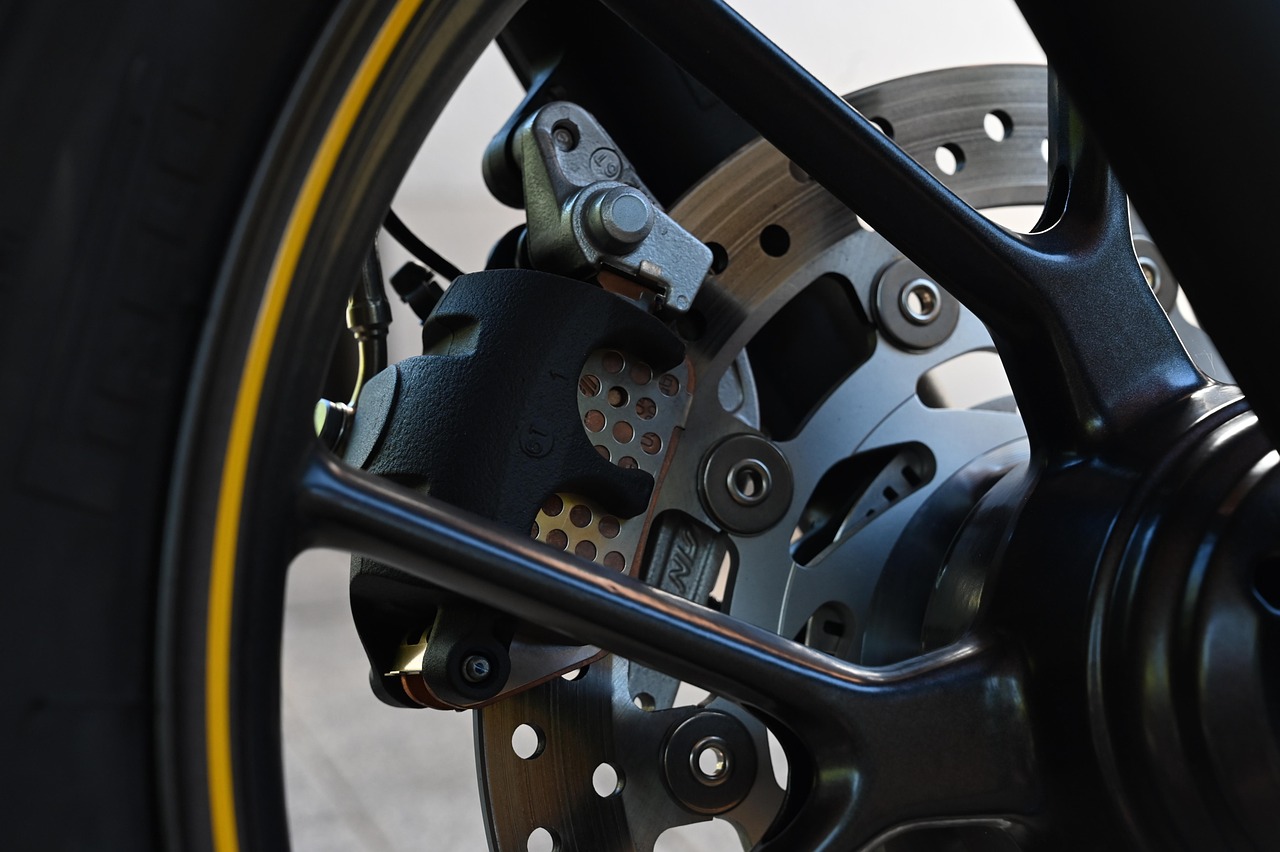
We sort the type of fault we're chasing by the timing of that drift, since a pull while you brake is a sign of one caliper clamping harder or softer than its partner, and a pull with your foot off the pedal comes with a caliper that has not released. Calipers are the clamps that squeeze the brake pads against the spinning rotors, one at each wheel. Both sides of the axle have to clamp with the same force for your Sorento to stop in a straight line. At Driven Auto Care of San Ramon, when the pull happens guides what we check on a Danville Sorento.
Where The Hot Smell Comes From
Brake pads should touch the rotor only while your foot is on the pedal. When you lift off, the caliper relaxes and the pads back away from the rotor by a hair. If the caliper stays clamped, that pad rubs the rotor through every rotation and turns the friction into heat on one corner. That is the sharp smell you noticed in the driveway, strongest beside one wheel. The rim on that wheel may carry a darker coat of brake dust than the rims on the other corners. A dragging corner shortens the coast a little when you lift off the gas. On the drive itself, we learn more from where the pull shows up than from the smell.
A Pull While Braking Or While Coasting?
When the pull shows up only as you press the brake, the two calipers on that axle are working unevenly. One may clamp harder than its partner, or a slow piston may leave one clamping softer, and the steering tugs toward the side that brakes harder. With your foot off the pedal, the pull comes from a different fault. One caliper stayed clamped after the last stop, so that wheel drags the whole time you drive. On a flat, straight road, your Sorento drifts toward the dragging side. Both faults trace back to the two moving parts inside every floating caliper.
Slide Pins And Pistons That Stop Moving
Floating calipers ride on two greased slide pins, so the caliper can shift sideways and press both pads evenly. Slide pins seize when corrosion builds or the grease washes out, and a caliper that cannot slide wears one pad faster than the other. Each time you brake, the piston pushes the inner pad out against the rotor. If corrosion holds the piston in place, the pad stays pressed on the rotor after release. A caliper service includes cleaning the slide pins and relubricating them with brake-specific grease, so the caliper slides freely again.
What The Pads Show Us
Once both front wheels come off, we line up the pads from both sides, because pad wear side to side shows which caliper is dragging or not applying. If one pad is worn thin, or an inner pad is much thinner than the outer one, our technician goes straight to the seized pin or the slow piston. We also measure rotor thickness and runout, since a dragging pad overheats the rotor and wears it faster. Our technician photographs the worn pads and rotors for your digital vehicle inspection, so you see the wear we see.
New pads on a caliper that still drags would wear thin on that same corner again. When drivers ask us whether pads alone will do, those photos show the wear behind our recommendation. If smoke rises from a wheel or the brake pedal sinks, stop and have your Sorento towed. Fading brakes call for that same stop and tow.
Pad Photos From Both Front Wheels
Bring your Sorento to Driven Auto Care of San Ramon, and say whether the pull comes with your foot on the brake or off it. At our San Ramon shop, we'll set the front pads side by side and show you the wear on each one. The caliper work that follows has one purpose, both sides of the axle clamping with the same force. You can reach us at (925) 830-4701 to schedule that visit.