REVIEWS

After a cool Blackhawk night, your 5.7 HEMI Charger starts with a brief clatter up front that quiets once the engine has oil pressure. The tensioner keeping the timing chain tight is fed by that oil, and while the car sits, it can bleed down enough to let the chain slap. Within a few seconds the idle settles and the drive feels normal again. That same rattle can come from a chain that has stretched, which is why the repair on this engine replaces the chain and its guides along with the tensioner. Both causes make the same slap at start-up, so Driven Auto Care of San Ramon reads cam timing against the crank for Blackhawk drivers, and drift off the mark signals a stretched chain.
What Makes the Noise in Those First Seconds
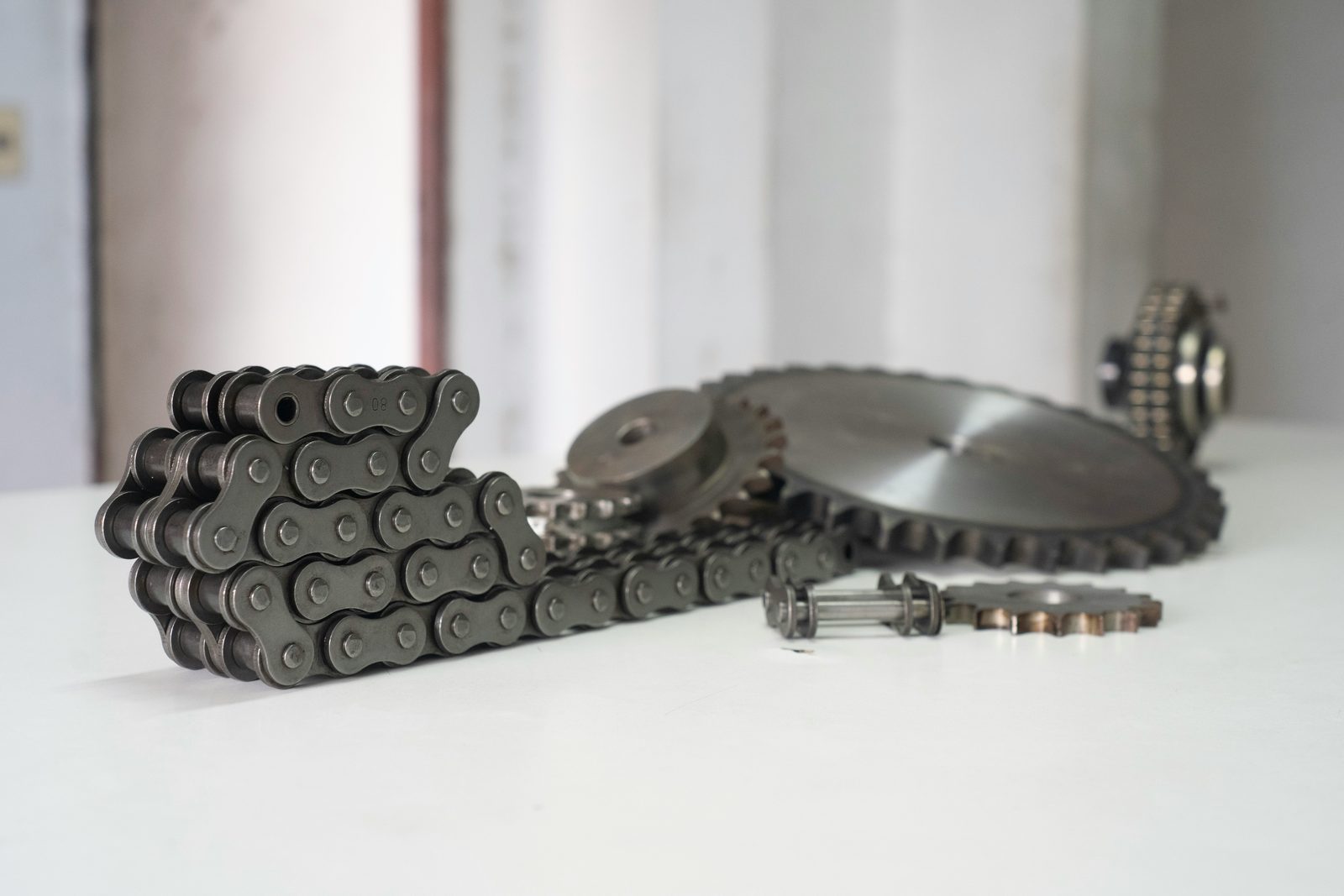
On the 5.7 HEMI, the timing chain keeps the engine's single camshaft in step with the crankshaft, so each valve opens at the right moment for its piston. Guides on either side steer the chain and stop it from whipping between the gears. Pressing on one side is the tensioner, an oil-fed plunger that holds the chain tight. For the first seconds after a cold start, before the pump refills the plunger, the chain runs slack and slaps against its guides. Once pressure comes up, the plunger extends and the chain pulls tight again, so the rattle stops.
Is It the Chain or Only the Tensioner?
A tensioner that bleeds down and a chain that has stretched make the same start-up rattle, and both can bring cam correlation codes and weak low-end torque. Over the miles, a chain grows longer as its links wear, so the tensioner has to reach farther to take up the slack. By sound alone, our technicians can't tell those two faults apart.
The sign that marks a stretched chain comes from a measurement. We read cam-to-crank correlation in live data, which measures how far cam timing has drifted from crank position. A reading off the mark fits a stretched chain, and a new tensioner alone would leave that stretch in place. When a check-engine light for cam timing comes on, it reflects the same drift, so we read that code beside the live numbers.
The Rattle and the Lifter Tick Sound Different
Another noise on this engine gets mixed up with the timing rattle. A rhythmic tick that tends to appear once the engine is warm, with a misfire under load, is a sign of lifter and cam wear on this engine, a separate fault from the timing drive. Timing rattle is loud at a cold start and then fades within a few seconds. Lifter tick stays as the engine warms and keeps time with engine speed. We sort the two by listening to the engine cold and again at temperature, and by reading misfire data under load. The rattle leads to the timing set, and the tick leads to lifter and cam work.
What the Timing Set Repair Involves
Chargers came with several engines over the years, and the timing parts differ by engine, so we confirm yours first. On the 5.7 HEMI, the repair is a full timing set, a new chain and guides with a new tensioner, fitted with fresh seals. We remove the engine's front cover to reach them and set the cam and crank back in time before closing it up.
Clean oil of the specified grade and sensible change intervals slow wear on the new chain. Timing work keeps the car with us for a while, so we offer loaner cars and rideshare. This 5.7 HEMI is an interference engine, so a chain that breaks or jumps a tooth lets valves and pistons collide. If the rattle no longer fades after a cold start or you feel a loss of power, switch the engine off and have the Charger towed. Do the same if the check-engine light begins to flash.
Diagnosing Your Charger's Timing Issue
Call Driven Auto Care of San Ramon at (925) 830-4701 about the rattle you hear in the first seconds of a cold start. At our San Ramon shop, we'll read the correlation on your 5.7 HEMI and show you the numbers behind the diagnosis. The timing set goes in to put the cam back in step with the crank.