REVIEWS
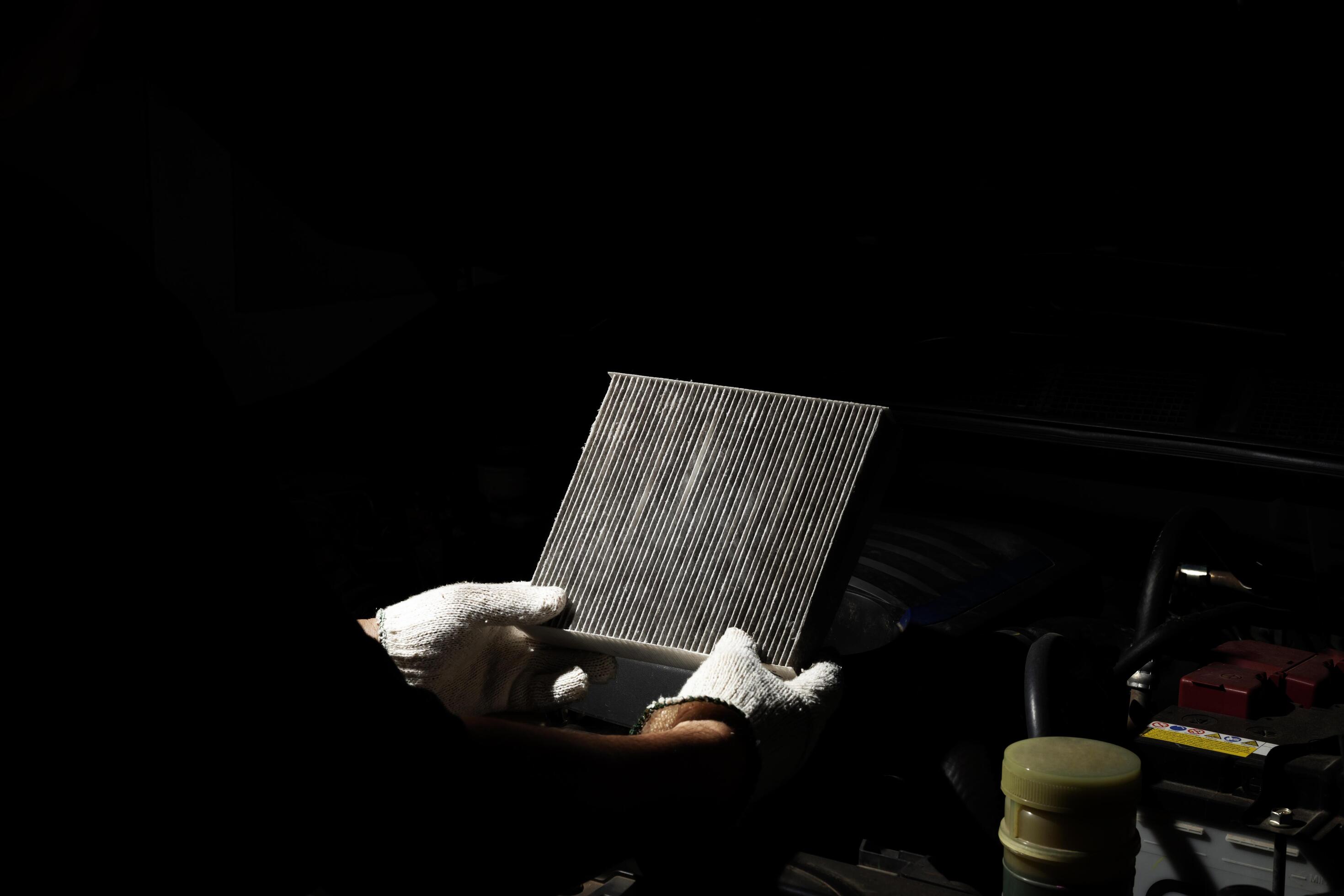
You merge onto the freeway out of Blackhawk, put your foot down, and the TLX pulls about half a beat later than it used to. You've felt it on and off for months. You checked the tire pressures and told yourself you were imagining it. The half beat you felt is real. That merge out of Blackhawk is where a TLX shows it. At Driven Auto Care of San Ramon the element comes out for a look. You bought a TLX for how it responds, so you notice a restriction a slower car's driver drives right past.
The Merge Takes Half a Beat Longer
A loaded element shows up when the engine is pulling all the air it can move. That means the on-ramp and the pass. The rest of the time you won't feel it. Some drivers hear it before they feel it, as a slightly strained note under hard acceleration. An element loads gradually over thousands of miles. Most people adjust their right foot a little at a time, which is why the change is easy to miss. You were reading your own car correctly, and the element is the first thing to check.
An Engine Makes Power From the Air It Pulls
An engine makes power from the air it pulls in and the fuel added to that air. The engine air filter sits in that path and catches the dust and grit that would otherwise pass through the engine. Doing that job fills it up. As it fills, the engine has to pull harder to move the same air past it. Two parts get called the air filter, and you can sort them by the symptom. Weak or musty airflow from the vents is the cabin filter, and a softer pull is the engine filter.
At a steady cruise the engine draws less air, so a partly loaded element still moves plenty of it. At wide-open throttle it draws far more. The restriction lands right where you feel it. A loaded element can cost you response, and how much depends on how far along it is. Most elements sit somewhere in the middle, and an airflow reading taken against engine load shows where yours sits. We read what the engine is moving while the load changes, and a restriction that has gone far enough sits out of range. A rough idle is occasionally the element and far more often something else, so we check the intake ducting for cracks and loose clamps.
What a Clean Element Restores
Your TLX measures the air coming in and matches fuel to it. With less air moving through, less fuel goes with it; the mixture stays correct and there is less of everything. The whole cost of a loaded element lands in how the car pulls, and nothing measurable shows up at the pump. You felt that on the on-ramp, and what you felt was the air that never got through. Clear the restriction and the engine moves the air it was built to move, and that half beat comes back on the next merge.
Hold the Element Up to a Light
Pull the element out and hold it up to a light, on both faces. Filters load unevenly, and the intake side looks worse than the clean side. A filter you can't see light through is one the engine is pulling against. What the element caught also matters. We read fine dust differently from leaves or nesting material, and either one changes the recommendation. The published interval runs a wide range, roughly 15,000 to 30,000 miles in normal driving. Dusty or heavy stop-and-go driving makes it materially shorter, and you'll see the item come up on your car's own maintenance display.
Ask to See the Element and the Seal
Bring the TLX in when that half beat shows up on the on-ramp again. We pull the element while you watch, hold both faces up to a light, and read the airflow against engine load. The housing and the seal get checked in the same visit, since a seal that isn't sealing lets unfiltered air past. You get the repair the evidence supports, and you feel it on the next merge out of Blackhawk. Ask for that look when you call Driven Auto Care of San Ramon at (925) 830-4701.