REVIEWS
When your TLX blows warm through every vent in the Blackhawk summer heat, a failing compressor may already be shedding metal into the rest of the air-conditioning system. If the failure is mechanical, the compressor can already be shedding the debris that destroys its own replacement. You're right to suspect that a cut-rate compressor swap doesn't last, since a compressor rarely fails alone. At our San Ramon shop, we start that Blackhawk TLX by confirming what failed before anyone buys a part. The honest quote is the one that clears the whole debris path, so the new compressor lasts through the summer.
The Warning Signs a TLX Compressor Is Failing
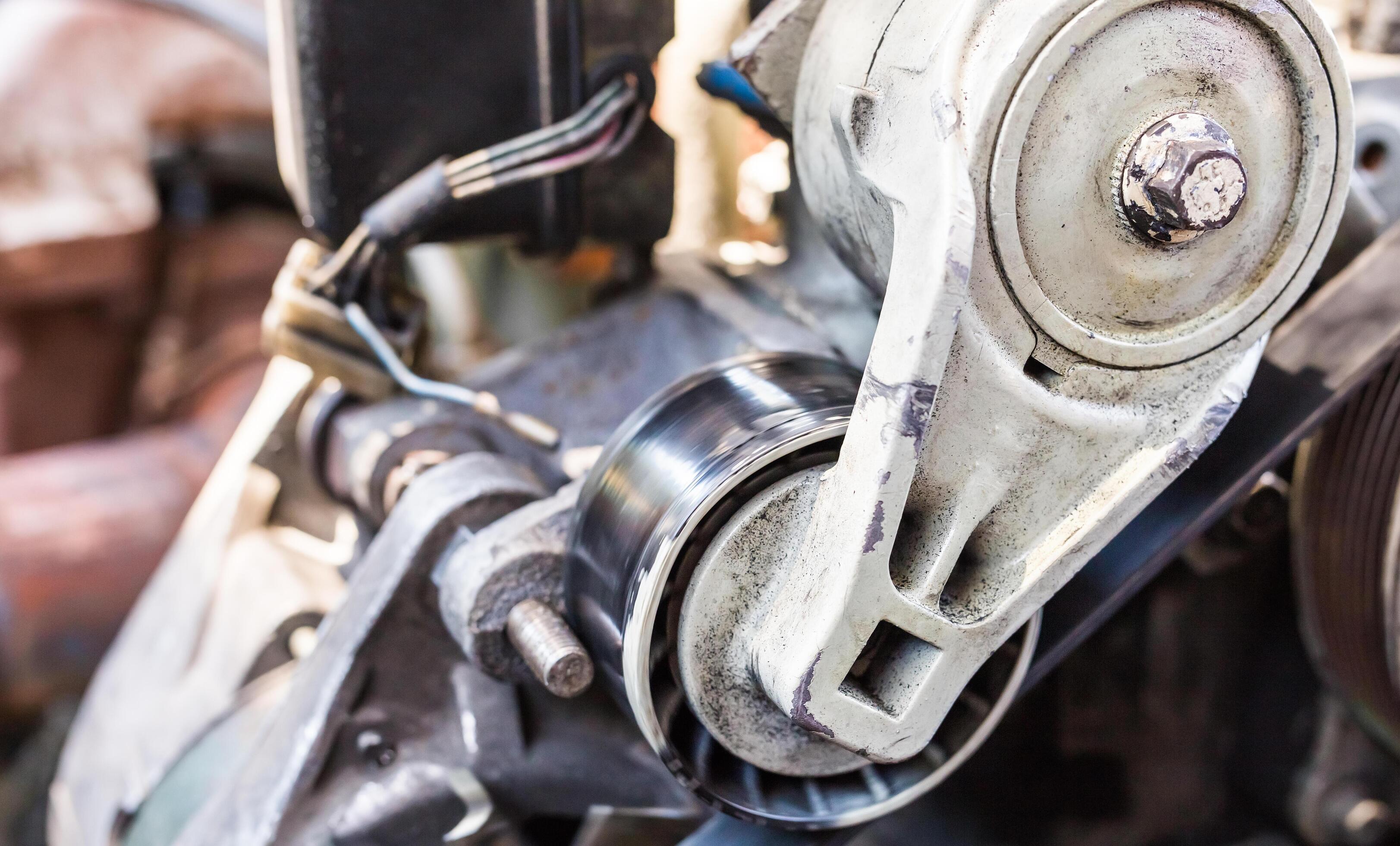
The first sign most TLX drivers notice is warm or weak air, worst at idle and in stop-and-go traffic, that improves a little as the engine speeds up. A growl, grind, or rattle that rises with engine RPM while the air-conditioning is on can come from the compressor's internals, its clutch, or the pulley bearing, so we isolate the source before naming a part. Rapid clicking, where the clutch cycles in and out several times a second, is a low-charge sign, because the low-pressure switch cuts the clutch as pressure drops. A belt squeal when you switch the system on comes from a seizing compressor dragging on the drive belt. That climbing growl is the cue for the gauge test, before a small repair grows into a big one.
What the Gauge Test Shows
Before anyone quotes you a compressor, we put it on the gauges to answer the real question. We connect a manifold gauge set with the clutch engaged and the center hub turning, and we watch the high and low sides. When those two pressures converge toward each other, the compressor is spinning without pumping much, and we confirm the charge level and the clutch command before we condemn it. If the hub never engages at all, the cause can be low refrigerant, an electrical fault, or the clutch itself, each a different repair from a worn pump. With the engine off we also turn the hub by hand to feel for roughness, so the reading and the feel line up before we name the part.
When a Failed Compressor Takes the System With It
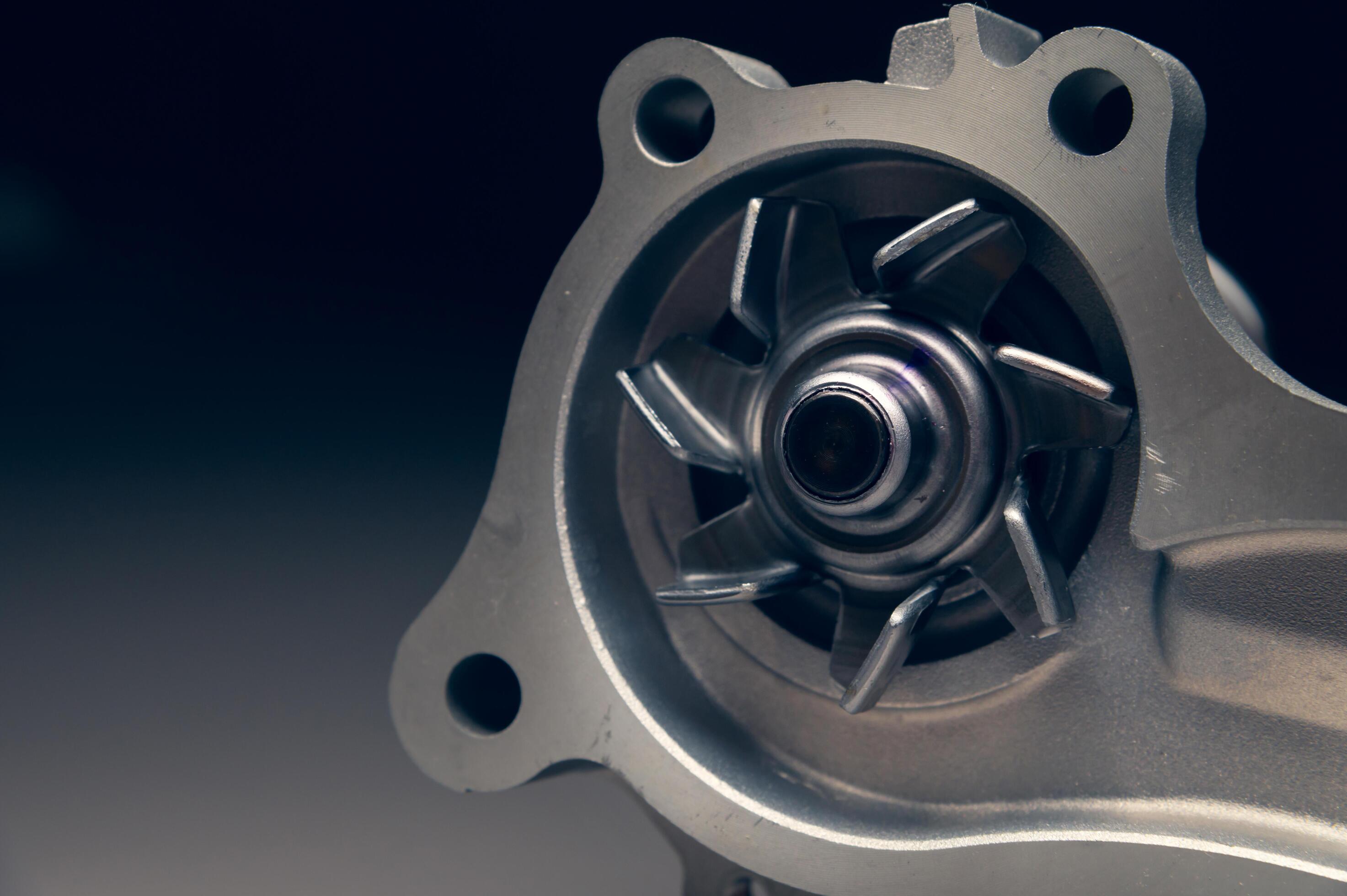
When a TLX compressor breaks down mechanically, it can shed aluminum particles while its oil degrades into an acidic sludge, and the refrigerant carries that debris into the condenser and the expansion valve. The trade calls this black death, and the name fits: the debris chokes the fine screen at the metering device, refrigerant and oil flow drop, and any new compressor downstream runs starved of lubrication. Acidic oil and trapped moisture also corrode the system from the inside. When the oil and the screen show that contamination, the correct repair is a whole-system repair, and it's verifiable on the bench. We pull the compressor oil and inspect the metering screen for metal glitter and black residue, and metal in the oil is the proof of contamination.
What Makes a TLX Repair a System Repair
On a TLX, the receiver-drier is built into the condenser, and that changes what a correct repair looks like. The condenser is a parallel-flow design, and its micro-tubes can't be flushed clean, so a contaminated condenser gets replaced rather than rinsed out. Because the drier sits inside that condenser, replacing it means replacing the condenser assembly, and the expansion valve at the evaporator inlet gets replaced in the same job. We identify the expansion valve and the drier from the TLX service data before we quote, so the parts list matches your car. The first-generation 2015 to 2020 TLX runs R-134a and the 2021 and newer 2.0-liter moved to R-1234yf, and the exact charge weight comes off the underhood label at service.
Why 'Compressor Only' Comes Back Warm
Skip the flush and the new drier on a contaminated system, and two things can destroy the fresh compressor within weeks. Leftover metal recirculates and scores it, and the old drier, still holding a share of the system's now-contaminated oil, releases moisture that forms acid and corrodes from the inside. That's why compressor manufacturers commonly require proof of a flush, a new drier, and a new metering device before they honor a warranty claim. A growl tells us to inspect the recovered oil and metering screen, because visible metal or black residue confirms that contamination has spread. Turn the air-conditioning off at the first grind or growl, and you keep a compressor job from growing into a full-system job that also replaces the condenser and the expansion valve.
Turn the A/C Off, Then Bring Us the TLX
A compressor that failed shedding metal seeds the whole system, so the lasting repair replaces what can't be flushed clean, starting with the condenser and its built-in drier, and flushes only what the procedure allows. That combination is what makes the new compressor last through the heat. The higher, complete quote is the one that doesn't come back warm in a month. Reach our San Ramon shop at (925) 830-4701, and we'll confirm the cause on the manifold gauges and quote the complete repair that keeps the new compressor working through the summer.