REVIEWS
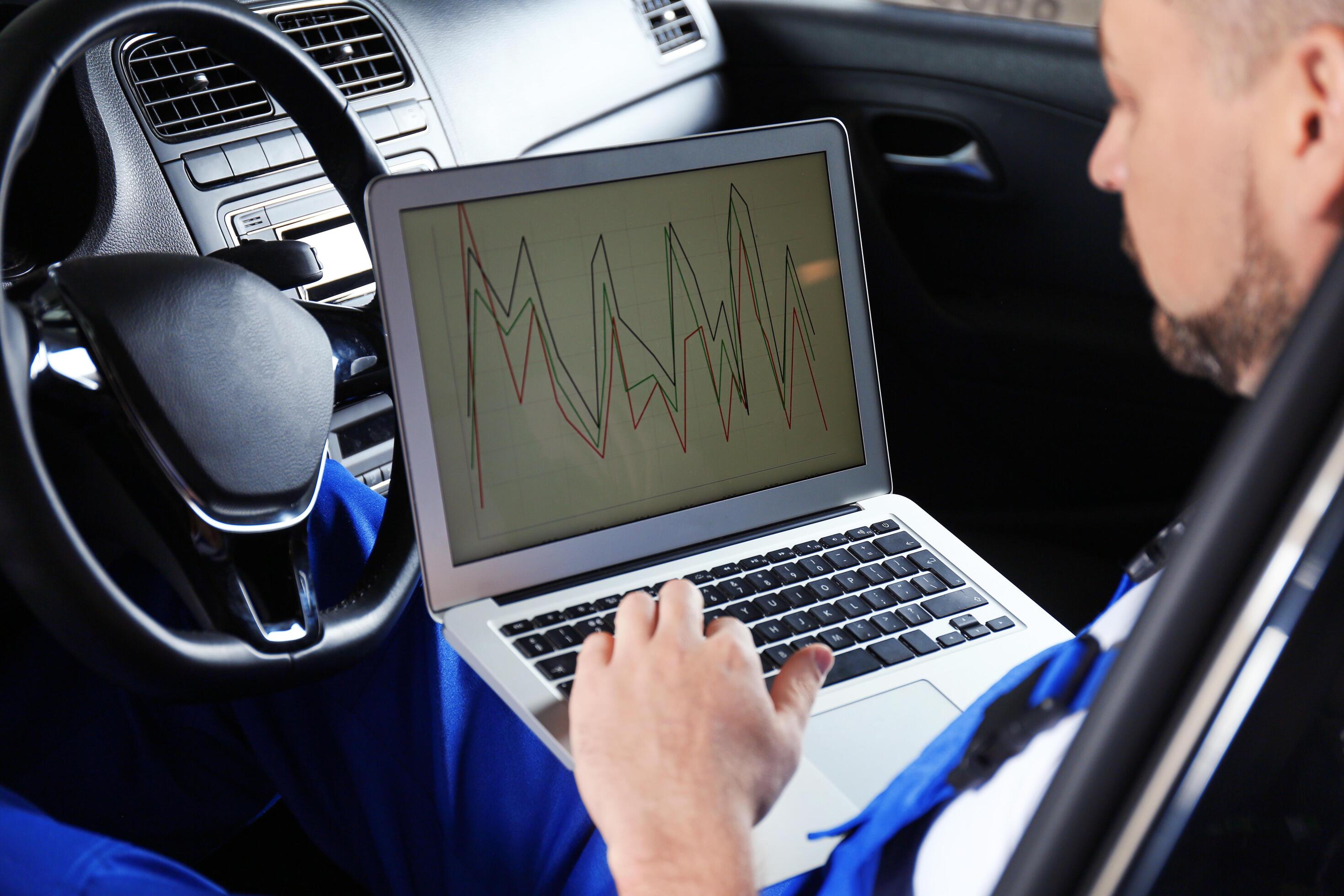
A dark dashboard feels like a guaranteed smog pass, and that belief fails Corollas across Blackhawk every week. Most owners exhale the moment that amber glow stays off before an appointment. California’s smog station grades the visit on computer data alone, so a car can fail with the light off and it fails every time with the light on. That lamp is the Malfunction Indicator Light, and the engine computer behind it holds the data the dashboard hides. We plug into the diagnostic port and read exactly what the state analyzer will read at the station.
The Myth: The Light Is the Only Thing That Counts
California’s OBD-II smog check is a data check before it ever samples the tailpipe. The analyzer pulls MIL-commanded status and the readiness flags straight from the engine computer, along with any stored codes. When the computer reports the MIL commanded on, that one status line is an instant fail, and no clean tailpipe number overrides it. A bulb that has burned out hides nothing here, because the analyzer trusts the commanded status and ignores the glow on the dash. We read the underlying fault before we touch a part, so you pay to fix the cause and pass for real.
The Reality: Clearing the Code Backfires
Erasing the codes the night before feels like a clean shortcut, and it sets up a second failure you don’t see coming. The moment those codes clear, the readiness monitors reset to not ready, and a Corolla that shows up not ready earns its own fail. A complete drive cycle has to re-run those monitors across cold starts and steady cruising before the system reports ready. A recent jump-start or battery swap blindsides owners at the counter too, since the lost power wipes that readiness memory clean. We keep your car clear of that trap by running the full drive cycle ourselves.
Is the Catalyst Dead or Is the Sensor Lying?
A catalyst-efficiency code points at the converter, though the code names a symptom and stops short of the cause. We watch both oxygen sensors in live data and compare their switching on the scope, since a healthy upstream sensor swings fast while the downstream one should hold steady. When that downstream sensor starts mirroring the upstream swings, the converter has lost its oxygen storage and the reading is honest. Before the converter takes the blame, we check fuel trims and hunt for an exhaust leak ahead of the sensor. A converter that has swallowed burned oil can lose its coating, so the measurements tell us whether the part or a lying sensor drives the code.
Why the Gas-Cap Fix Only Lasted Days
A new gas cap quiets an EVAP code for a day or two, then the light returns and the smog plan unravels. We run an EVAP smoke test, feeding low-pressure smoke into the sealed system so a small leak reveals itself at the source. From there we bench-test the purge solenoid under vacuum, confirming it seals shut at rest and opens on command. We also pressure-check the cap and its seal, since a worn gasket can mimic the leak a tired canister creates. When charcoal pellets have escaped a broken-down canister, the real fix lives there, and one more fresh cap changes nothing at all.
Smog and Safety Recalls Run Separate Lines
People blur will it pass smog with is there an open recall, and those questions run on two different tracks. An open recall and an emissions failure live in separate systems, so one can sit open with no bearing on the other. We handle the smog side by reading readiness and codes, and we run the VIN to surface whatever any open recall covers. Stop clearing codes the night before, and stop trusting a dark dash to carry you through the station. We find the real cause and drive the monitors ready for Blackhawk drivers, so call (925) 830-4701 to reach Driven Auto Care of San Ramon before your smog appointment.