REVIEWS
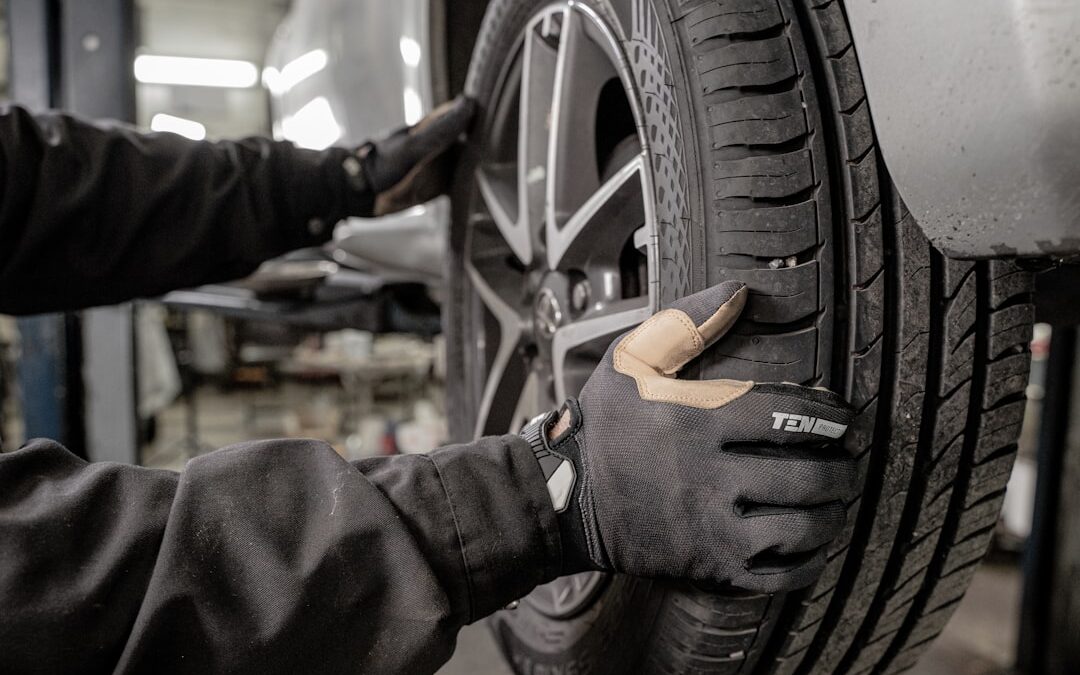
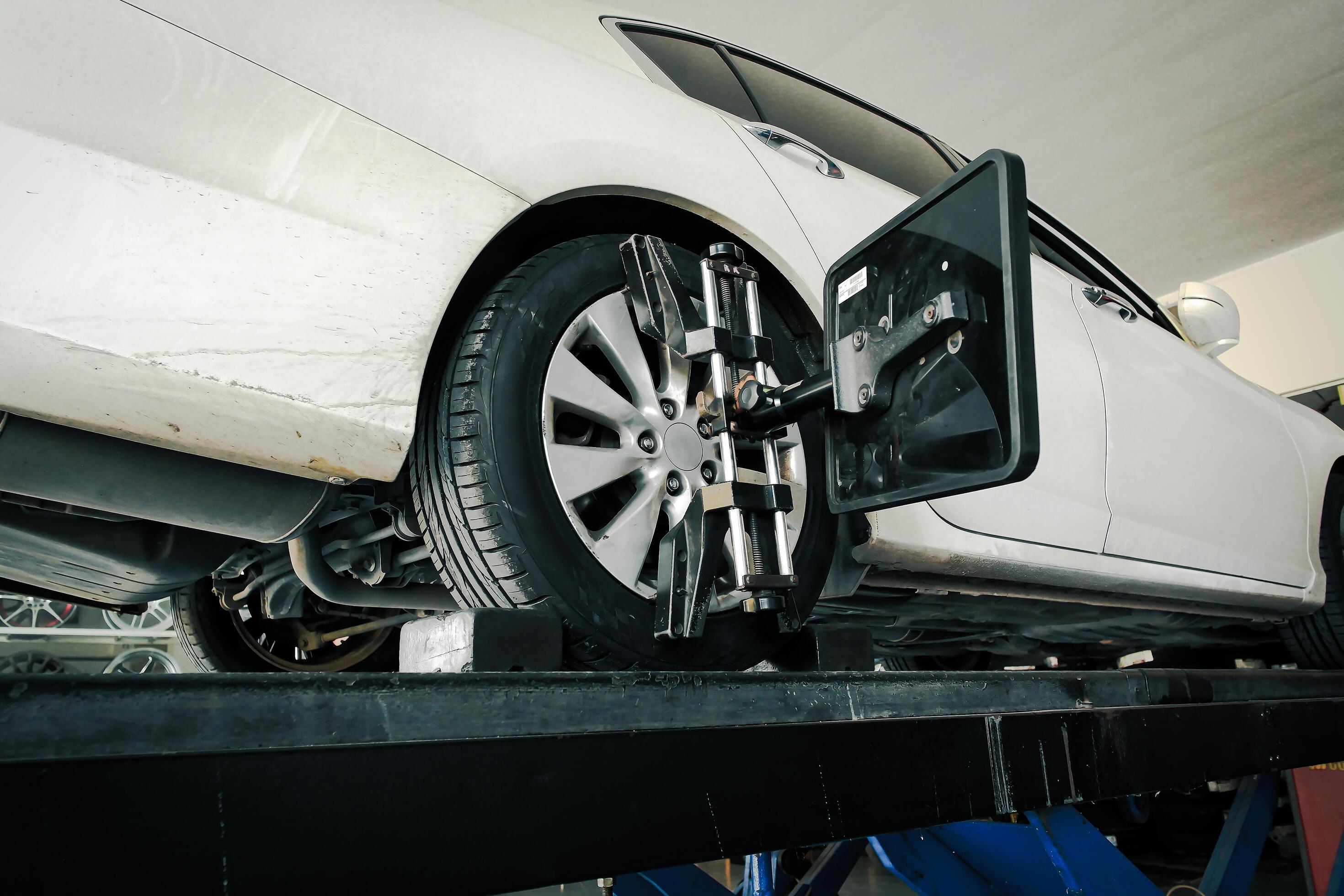
Your Q5 goes on the alignment rack, camera targets clamped to all four wheels, before anyone guesses at what a Blackhawk pothole did. You felt a shimmy settle into the wheel at highway speed and a steady drift toward one shoulder. Those two complaints point us at the front suspension geometry, where toe and camber decide how each tire meets the road. We start every diagnosis with a measurement instead of a guess about which angle moved, and the rack reads each one against the factory window for your Q5. We let the readings tell us what bent and what only slipped.
Why a Pothole Throws Toe First
Toe sits at the end of the longest, most flexible path in the front end, riding on the tie rods and the soft control-arm bushings. A hard impact drives the wheel up and back, and that motion travels straight through those pieces and nudges toe before it reaches anything stiffer. The two front tires then point a few hundredths of a degree apart, scrubbing sideways with every foot you roll. That scrub is the shimmy your hands feel. A fresh pull right after a pothole reads as a toe shift, and toe is where we begin.
We Run the Compensation Pass First
We clamp camera targets to all four wheels and run a compensation routine, rolling the car so the rack cancels any rim runout before it trusts a number. The screen then shows live camber and caster beside toe, each one stacked against the factory window for your Q5. A healthy car lands inside spec and holds its values steady while we set toe. A reading that swings hard from side to side, or one that won’t stay put no matter how we adjust, tells us a solid part changed shape. We let those readings steer the repair so we replace the part that’s bent.
A Stubborn Angle Names the Damage
Some front angles are built to be dialed in, and others ride on the shape of the parts themselves. When we try to bring an angle back and it fights us at the limit of its adjustment, that stubbornness carries real information. A camber that sits out of range, or a caster that splits hard left to right and won’t equalize, points us at metal that moved. We read the value and follow it to the corner that’s off. The geometry names the control arm or strut that took the blow, and we pull that corner apart to confirm.
When the Subframe Itself Has Shifted
Before an arm gets replaced, we check whether the whole front cradle slid on its bolts, because a square hit can move it. We measure setback, which shows up as one front wheel sitting rearward of the other, and we confirm the cradle is centered to its locating dowels. A subframe that walked off those dowels throws several angles at once and can frame a straight arm for damage it didn’t take. If it shifted, loosening and re-centering it pulls those readings back together in one move. Checking the foundation first keeps us from buying parts to chase a number the cradle was throwing off.
Squaring It to the Thrust Line
A two-wheel alignment sets the front without checking where the rear axle points, and that’s the wrong order for a car knocked sideways. We square the rear to the thrust line first, then set the front toe to that corrected line, so the wheel ends up centered while the car tracks straight. Skip that step and you build a crooked steering wheel and angled tire wear right into the job. On a car that carries a steering angle sensor, we confirm the wheel reads center afterward as a verification step. We square your Q5 to its thrust line and read every angle, so call Driven Auto Care of San Ramon at (925) 830-4701 and we’ll send it back to Blackhawk tracking straight on evenly worn tires.