REVIEWS
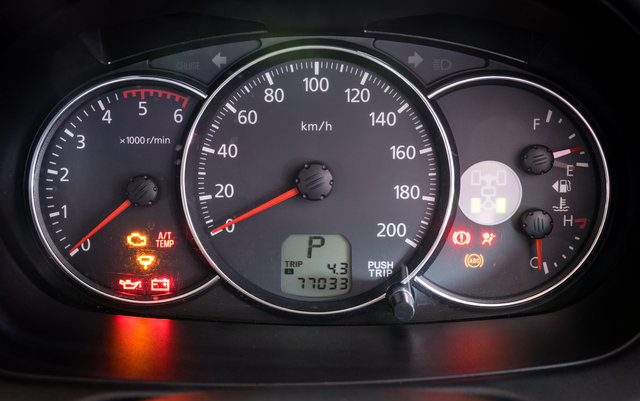
A check engine light can show up on a calm drive, then stay on for days. Some Hyundais keep running fine. Others start idling roughly or feel weak on acceleration. The light means the engine computer saw a reading outside its normal range and stored a code. That code points us toward the system that needs attention. It does not point to one exact part by itself, so we confirm the cause with testing.
Drivers often ask if it is safe to keep driving. Look at the light first. A solid light usually means you can drive short trips with care, but you should book a diagnosis soon. A flashing light is different. A flashing light often means an active misfire that can damage the catalytic converter. If it flashes, stop driving.
What The Light Is Really Saying
The check engine light covers many systems. Emissions faults, ignition faults, fuel mixture faults, and sensor faults can all turn it on. A small issue can trigger it, like a loose gas cap on some models. A larger issue can also trigger it, like a misfire under load. The code and the live data tell the story.
Causes We See Often On Hyundai Vehicles
Hyundai issues vary by model and year, but we see a few patterns often in the shop.
Misfires From Plugs Or Coils
Misfires can show up as shaking at idle, a stumble on acceleration, or a flashing light. Worn spark plugs and weak ignition coils are common causes. Oil in spark plug wells can also trigger misfires if a valve cover seal leaks.
EVAP Leaks And Purge Valve Problems
EVAP issues can turn the light on with no drivability change. Some drivers notice a fuel smell near the car after parking. A failing purge valve can also cause hard starts after refueling on certain models.
Oxygen Sensor Or Air Fuel Sensor Aging
Sensors can slow down over time. The engine computer starts trimming fuel more than it should, then sets a code. This can affect fuel economy.
Vacuum Leaks And Intake Air Leaks
Cracked intake boots and vacuum line leaks can push the engine lean. Idle can surge. The engine can feel weak at low speeds. Fuel trims in live data help confirm this.
Catalytic Converter Efficiency Codes
These codes can follow long-term misfires or fuel mixture problems. Sometimes the converter is worn. Sometimes an upstream issue is the real cause. We test before calling a converter.
A Few Common Hyundai Codes We See
- P0300 to P0304: Misfire codes, random or cylinder specific
- P0420: Catalyst efficiency code, can be converter wear or an upstream problem
- P0456: Small EVAP leak code, often needs smoke testing to pinpoint
- P0171: Lean condition code, often tied to air leaks or fuel delivery issues
What Repairs Usually Involve
After we confirm the cause, repairs stay focused. A misfire repair may involve spark plugs, a coil, and fixing any oil seep that contaminated the plug well. An EVAP repair may involve a purge valve, a hose repair, or a cap replacement, then a retest. A lean code repair may involve sealing an intake leak and confirming fuel trims return to normal.
Get a Hyundai Check Engine Light Diagnosis Near Dublin
If you need help with the check engine light, schedule a diagnostic visit with Driven Auto Care of San Ramon, CA. We will pull the codes and fix the issue before it turns into a bigger repair.