REVIEWS
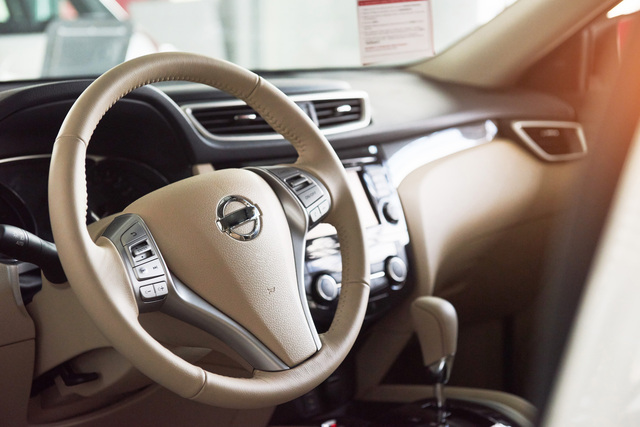
What Struts Do On A Nissan Altima
Struts support the vehicle’s weight and control how the suspension moves. They manage bounce after bumps. They keep the tires planted, so braking and steering feel steady. On many Altimas, the front suspension uses a MacPherson strut design. That means the strut acts as a shock absorber and a structural piece. It holds the steering knuckle and affects alignment angles.
When the struts wear, the tire can lose contact with the road over rough surfaces. The car may bounce more after dips. Stopping distance can increase on uneven pavement. Steering can feel less precise.
Signs Your Altima Struts Have A Problem
Strut issues show up in both feel and sound. Some signs start small and get worse over weeks.
- Clunking over speed bumps or driveway ramps
- Bouncy ride after bumps, the car takes longer to settle
- Nose-dive during braking feels stronger than before
- Rear squats more during acceleration
- Uneven tire wear, often cupping or scalloping
- Fluid seeps on the strut body
- Steering feels loose, or the car wanders at speed
A quick bounce test does not tell the whole story. We inspect mounts, bearings, and related parts to confirm the cause.
Altima Model Years That Can Show Strut Wear Sooner
We see strut complaints across many Altima years, but some ranges come in more often than others for early wear, noise, or mount issues. In the shop, we commonly see suspension and strut-related concerns:
- 2013 to 2018 Altima, especially higher mileage daily commuters
- 2019 to 2023 Altima, often for front-end noise tied to mounts or links
Real wear depends on mileage and road use.
Why Struts Can Fail Earlier Than Expected
Struts fail early for a few main reasons. Road impact tops the list. Potholes, curb strikes, and repeated speed bumps damage internal valves and seals. Once seals wear, the strut loses damping and can start to leak.
Mounts can also cause trouble. A worn strut mount can clunk even when the strut still dampens well. That is why diagnosis matters.
Weight and load matter too. Altimas that carry heavy cargo often, or that run with worn springs, put extra load on struts. Driving with poor alignment can also force the tire to scrub, which increases vibration through the suspension. That vibration speeds up wear in mounts and bushings.
How We Can Help At Driven Auto Care of San Ramon
We start with a road test to recreate the noise or ride complaint. Then we inspect the suspension on the lift. We check for strut leaks, mount play, spring condition, and worn links. We also inspect control arms and tie rods, since those parts can mimic strut symptoms.
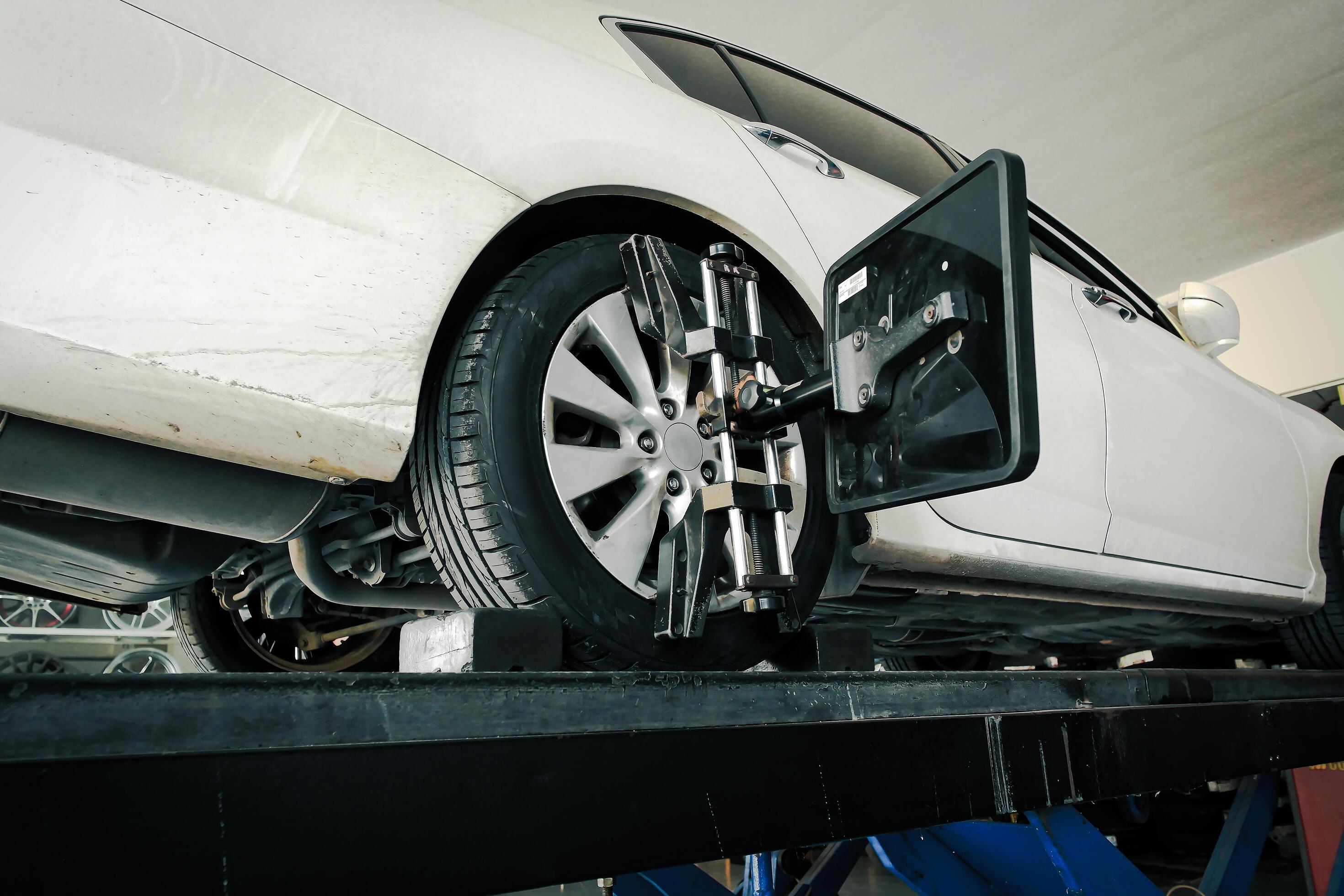
If struts are worn, we often recommend replacing them in pairs on the same axle. That keeps the car balanced side to side. During the job, we inspect and replace worn mounts, bearings, bump stops, and boots when needed. After strut replacement, we perform an alignment. Alignment protects tires and restores stable handling.
Call us today at (925) 830-4701 to set up an appointment for an expert suspension inspection.