REVIEWS

The low coolant warning on your Audi A4’s dashboard means the cooling system lost fluid somewhere between the expansion tank and the engine block, and driving with a low coolant level risks pushing cylinder head temperatures past the threshold where gasket damage begins. The EA888 2.0T engine in the A4 generates significant heat in a compact engine bay, and the cooling circuit relies on plastic housings, rubber seals, and a mechanical or chain-driven water pump to manage that thermal load.
Each of those components reaches a service life limit before the engine itself shows any sign of wear, and Dublin A4 owners who catch the leak at the warning stage can prevent an overheating event. Driven Auto Care of San Ramon diagnoses Audi A4 coolant leaks with a pressure test that identifies the source before we open any part of the cooling system.
Gen 1 and Gen 2 Water Pump Seal Failure (2009 Through 2016)
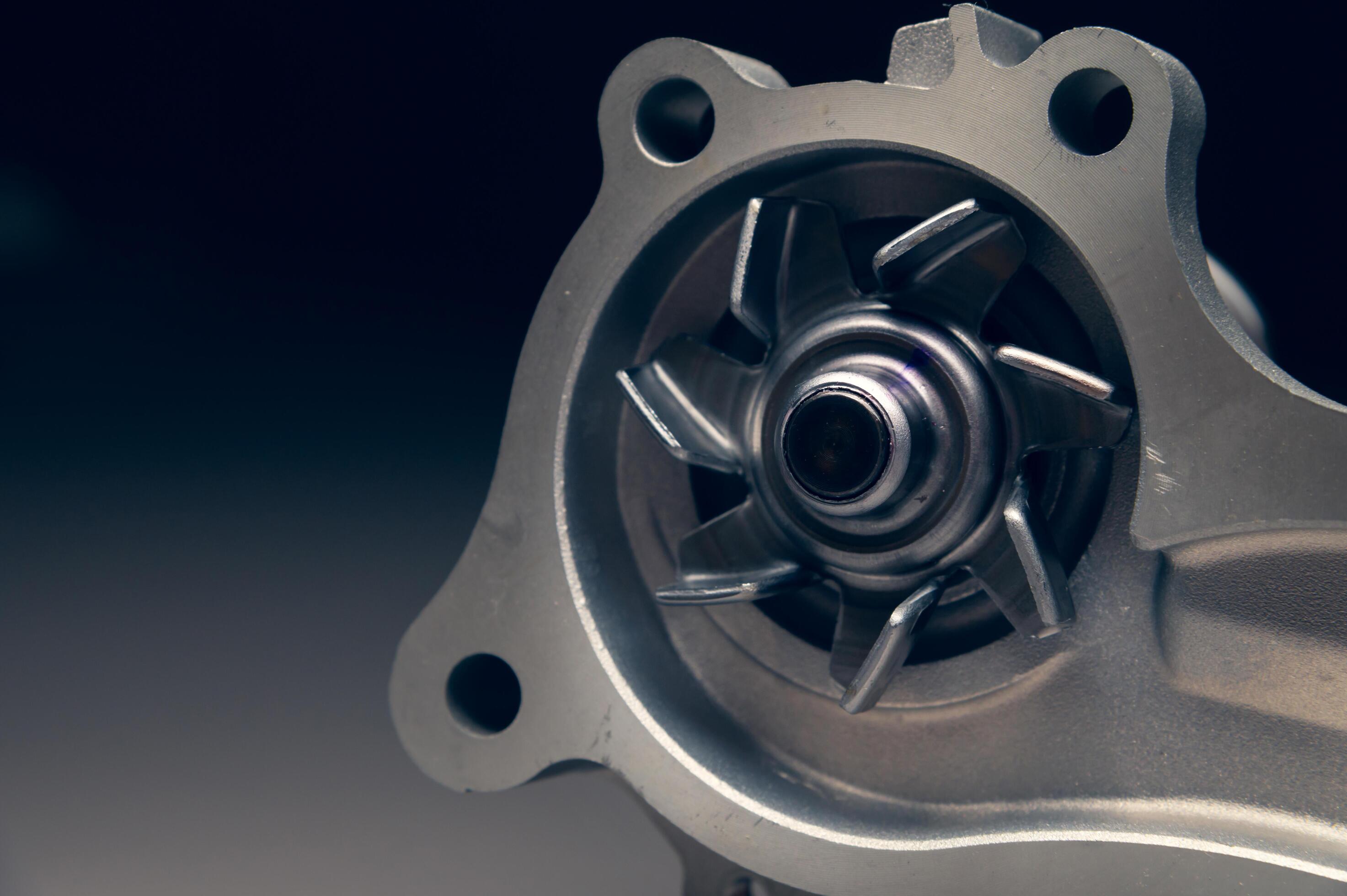
The EA888 Gen 1 and Gen 2 engines in B8-platform A4s use a mechanical water pump with an internal shaft seal that spins at engine speed. That seal wears over time and allows coolant to weep through a small drain hole at the bottom of the pump housing, which is the pump’s built-in failure indicator. A wet spot or coolant residue around that weep hole confirms the seal has breached its tolerance, and the pump needs replacement before the leak rate increases enough to drop the coolant level during a Dublin commute on I-580.
Gen 3 Thermostat Housing Module (2017 and Newer)
Audi redesigned the cooling system for the B9-platform A4 with a Gen 3 EA888 that integrates the water pump and thermostat into a single chain-driven module mounted at the front of the engine. The pump no longer runs off the accessory belt, and it circulates coolant through the chain drive at a rate matched to engine speed and temperature. When this module fails, the leak develops at the gasket between the housing and the engine block, and coolant seeps down the front of the motor onto the subframe. Replacing the water pump on a Gen 3 means replacing the entire thermostat housing module, and we confirm the chain drive components are in good condition while the area is accessible.
Expansion Tank Cracking Under Thermal Cycles
The plastic coolant expansion tank on both B8 and B9 A4 models sits in the engine bay where it absorbs heat from the engine and radiator, then cools when the car sits overnight. Plastic fatigues under repeated thermal expansion and contraction, and hairline cracks form along the tank seams or at the sensor port where the low coolant warning switch threads in. A cracked expansion tank can lose coolant gradually without leaving a visible puddle, because the fluid evaporates off the hot engine surface before it reaches the ground. We pressurize the tank and inspect the seams under pressure to find cracks that aren’t visible at rest.
G13 Coolant and the Service That Seals the System
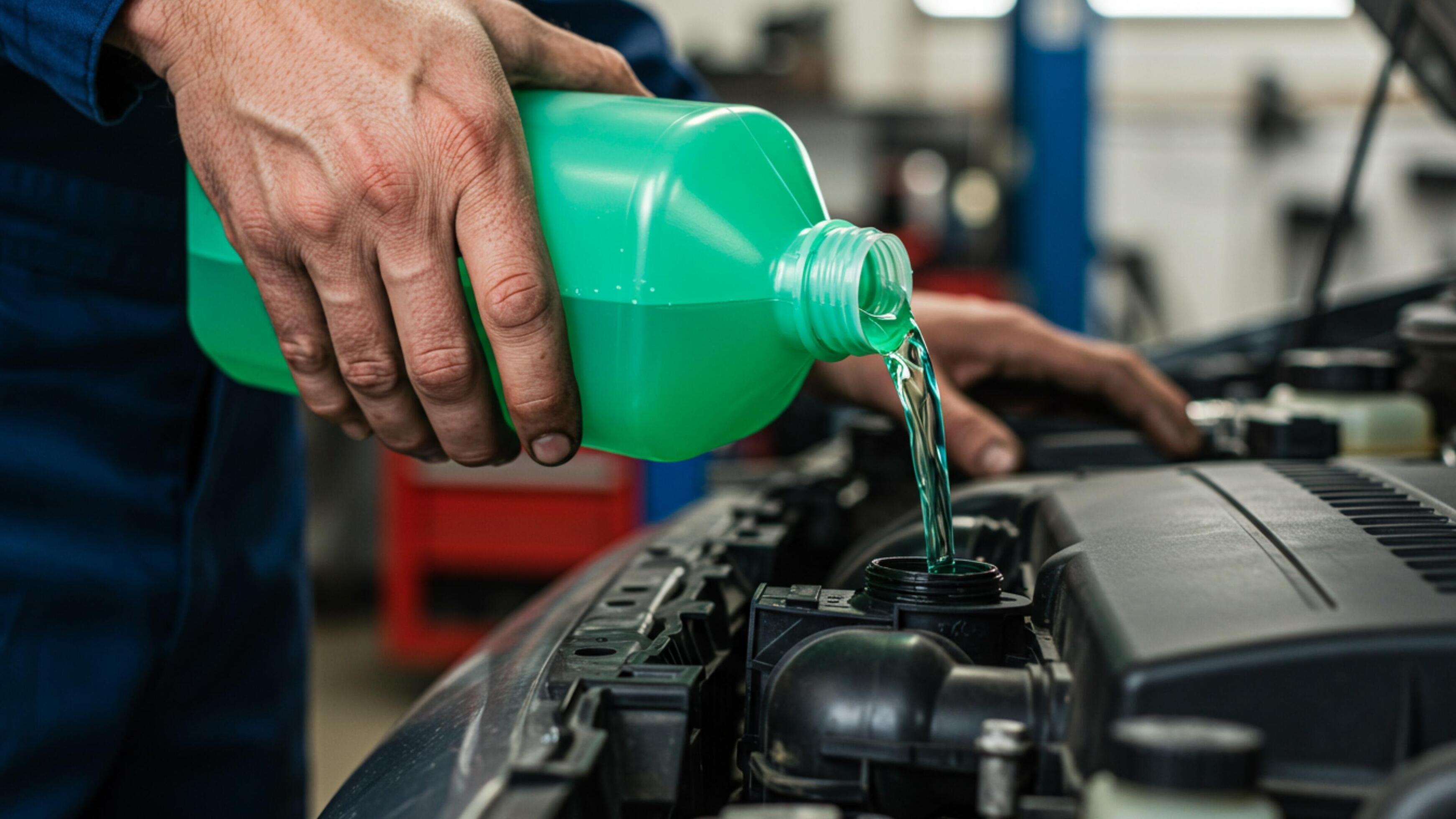
Audi specifies G13 coolant for the EA888, and mixing the wrong coolant specification degrades the corrosion inhibitors that protect the aluminum engine block, the plastic housings, and the rubber seals throughout the circuit. We drain the old coolant, flush the passages to remove any contaminated fluid, and refill with the correct G13 concentration and distilled water mix. Driven Auto Care of San Ramon serves Dublin Audi A4 owners across B8 and B9 platforms, and we confirm operating temperature stability and zero pressure drop across the cooling system after every coolant leak repair. If that low coolant warning appeared on your dash this morning, (925) 830-4701 connects you to our San Ramon shop for an A4 cooling system evaluation that starts with a pressure test and ends with a sealed system.