REVIEWS

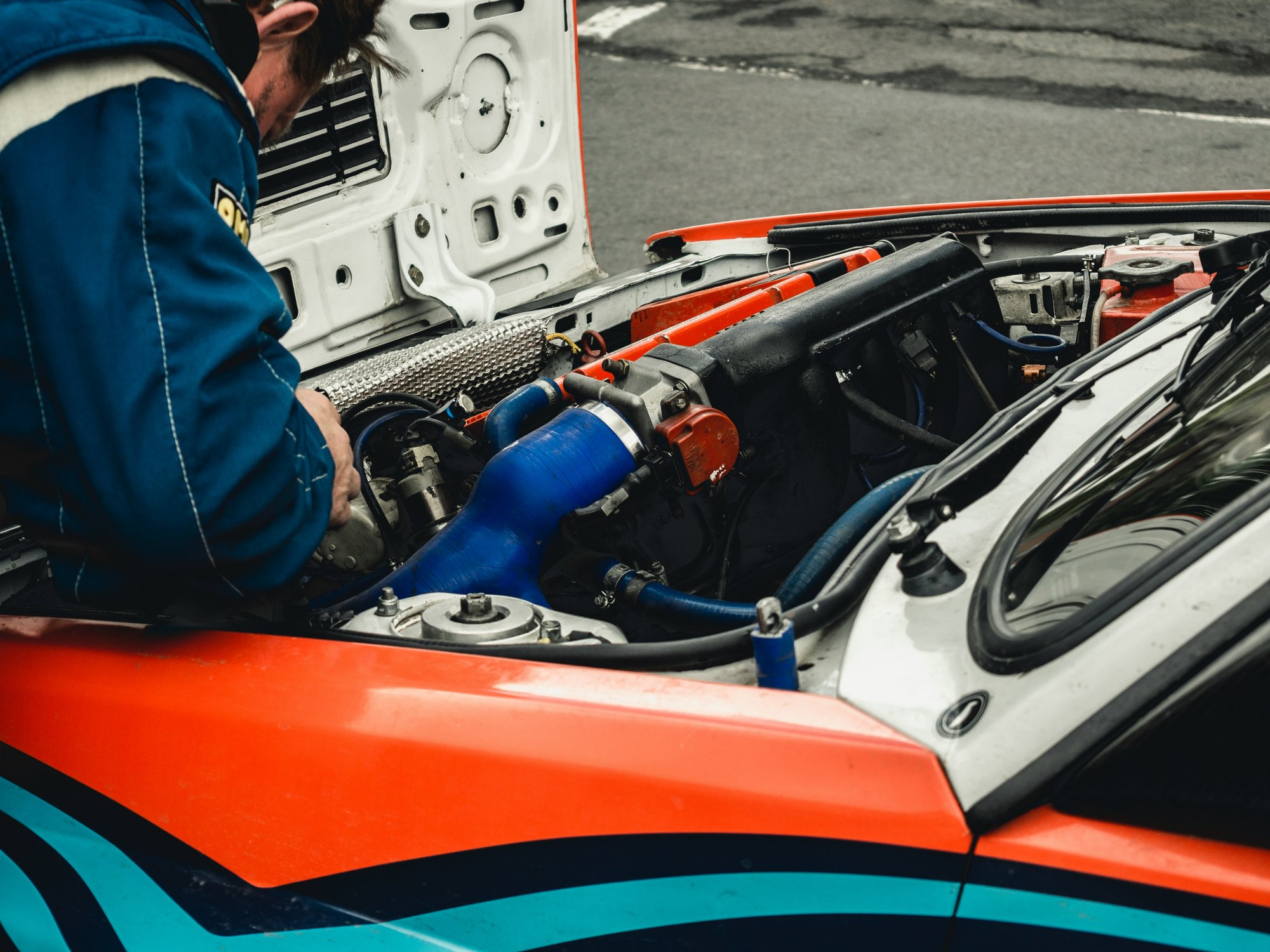
Most people know that a leak is bad, but often they don’t understand that many of the leaks on your car don’t drip. Many leaks only leak when the engine is under pressure (when it is hot). That means that when the engine is cold, the leak may not be visible. That leak can be going down into a lower part of the car and then dry on the ground before you even know that you have a problem.
If your coolant is leaking and there is no sign of a puddle on the ground, it’s likely one of these kinds of leaks. Why? Because you can’t see where it’s leaking unless it’s all on the ground.
Why a Leak Can Be So Hard to Find
There are many reasons why you would not know that there is a leak in your cooling system until you find a puddle on the driveway. A small leak, up high, on the engine, could drip down a horizontal surface and solidify before it reaches the ground. Leaks also have a tendency to only appear when the engine is under pressure and the engine is hot. So you could have a leak in your cooling system and the car could be perfectly normal until it overheats.
There are times when no sign of a leak can be found when looking, but the coolant level is falling. This is why searching for a leak by eye alone is not recommended.
What a Pressure Test Does
The cooling system is pressurized once the engine is warm. By connecting a pressure tester to the radiator inlet while the engine is cold, we can test for leaks when the engine is safe to test for such problems. These leaks show up as spots where the pressurized coolant is escaping.
You can then follow the trail of coolant to diagnose where it’s leaking. If the cooling system holds pressure but doesn’t leak, then you might have a problem inside the engine like a head gasket. This would require a completely different approach to repair.
Where the CX-5 Tends to Leak
These leaks tend to occur in certain locations on the CX-5:
- The water pump as its seal deteriorates with age.
- Hoses and clamps that harden and weep at the connections
- The radiator, often at the plastic end tanks
- The thermostat housing, which can seep over time
- The coolant reservoir, look for cracks along a seam
How We Handle It
At Driven Auto Care of Castro Valley, we use a cooling system pressure test on your car’s cooling system while it is cold. We then look to see where any leaks are. If the leak is not visible, we add some UV dye to the cooling system and then take your car for a test drive. When you return, we turn on a UV black light and follow the glow to determine where the leak is located.
Is your CX-5 losing coolant? We can help diagnose the problem before serious engine damage occurs. Contact us today!