REVIEWS
Camrys are known for going forever. Most people buy one expecting 200,000 miles without much drama, and a lot of them deliver. But there’s one issue that shows up often enough that we get calls about it almost every week. Oil consumption.
If your Camry is going through oil between changes, you’re not alone, and you’re not crazy. Some model years are just more prone to it than others.
Which Camrys Tend to Burn Oil
The 2007 to 2011 Camrys with the 2.4L four-cylinder engine are the usual ones. Toyota even acknowledged the problem and extended warranty coverage for a while on certain VINs. The issue traces back to the piston ring design, which lets oil slip past into the combustion chamber, where it gets burned off with the fuel.
Newer Camrys can burn oil too, especially once they cross 100,000 miles. It’s just less common.
What Burning Oil Actually Looks Like
A lot of people think they’ll smell it first. Sometimes you do. There’s a slightly sweet, slightly sharp smell that hangs around the engine bay after a drive. But plenty of Camrys burn oil without giving off any obvious smell at all.
Things that are more reliable to check:
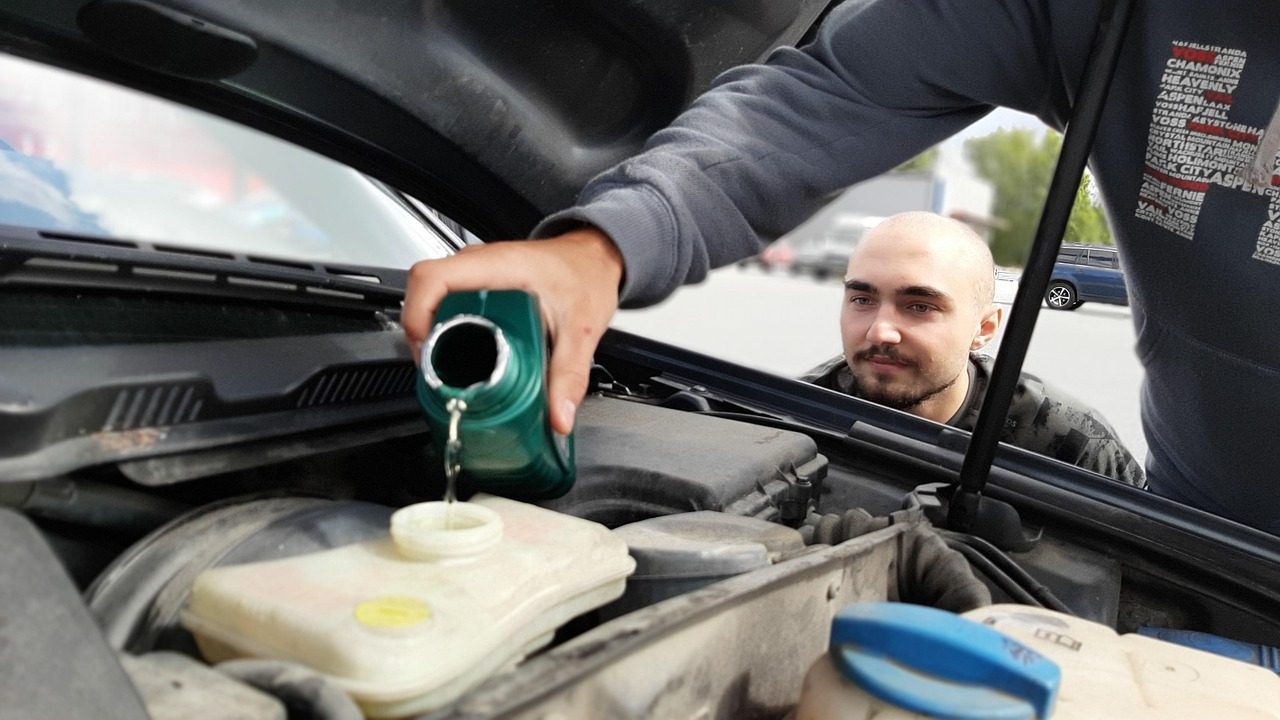
- Oil level on the dipstick a week or two after a change
- Light blue smoke from the tailpipe, especially on cold starts or hard acceleration
- Oil residue around the tailpipe tip
- The low oil pressure light flickers at idle or in turns
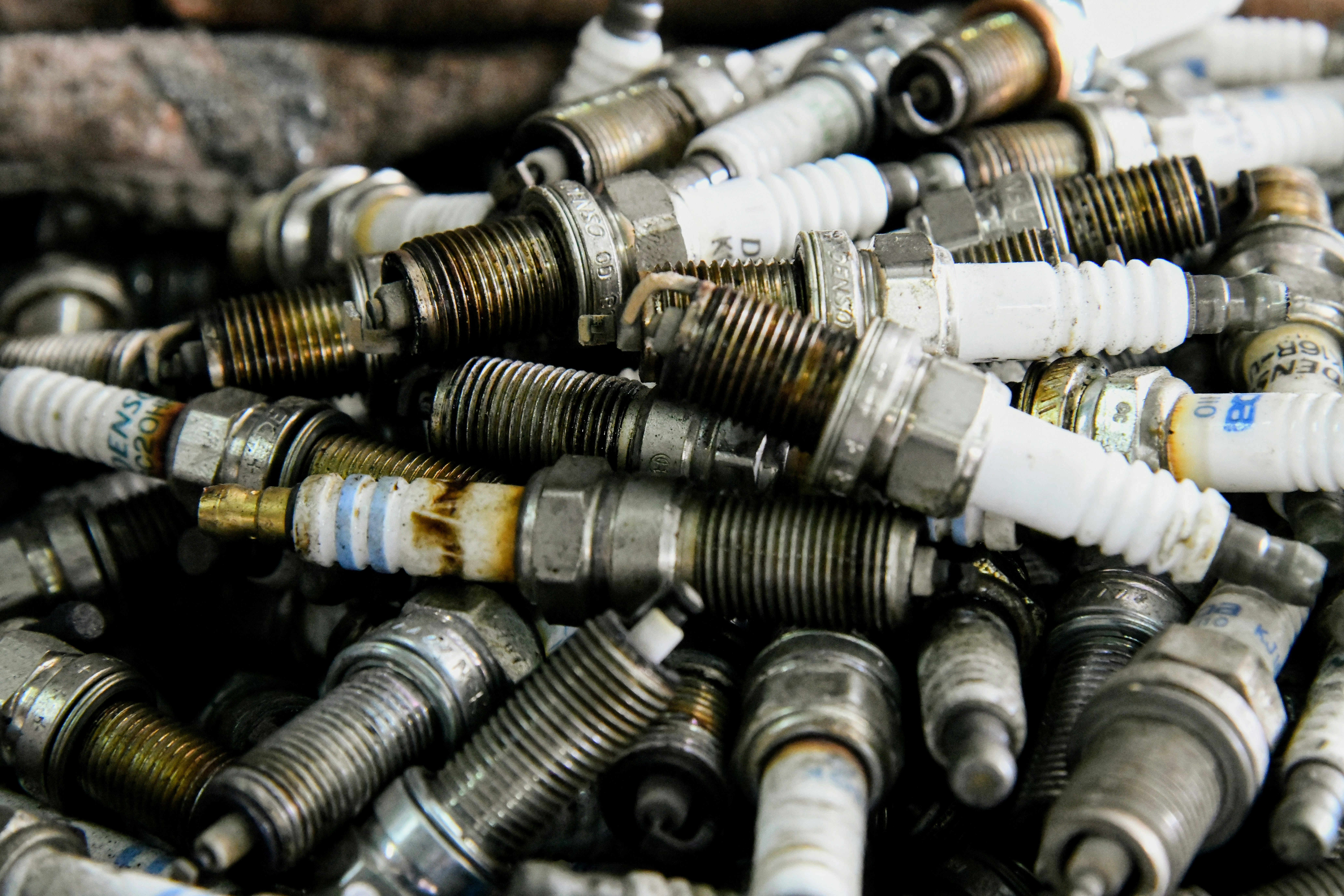
- Spark plugs that look oily when pulled
If you’ve never pulled the dipstick between oil changes, now’s a good time to start. On a 2008 Camry that’s burning oil, you might be a quart or more low at 3,000 miles. Some are worse.
Why It Matters More Than People Think
Here’s where it gets serious. Running low on oil isn’t just an inconvenience. It’s the kind of thing that quietly destroys an engine while you go about your day.
When oil drops below safe levels, a few things start happening. The remaining oil heats up faster because there’s less of it to absorb the heat. It breaks down quicker. Bearings start wearing. The timing chain tensioner doesn’t get the pressure it needs. Eventually, you get a knock, or worse, a complete failure on the freeway with no warning beyond a brief light on the dashboard.
We’ve had Camrys towed in with bone-dry dipsticks. The owners had no idea. The car drove fine until it didn’t.
What’s Actually Causing It
There are many issues that could be the culprit. Keep in mind, it could be more than just one:
- Worn or stuck piston rings, the most common cause on those mid-2000s Camrys
- Valve seal wear, which lets oil drip past the valve stems into the combustion chamber
- A clogged PCV valve, which can push oil into places it shouldn’t go
- Leaks that look like consumption, since oil burning off a hot exhaust manifold doesn’t leave a puddle
The cause matters because the fixes are very different. A PCV valve is a quick repair. A piston ring job is a major engine service.
How Soon You Should Get It Looked At
Sooner than you probably want to. If your Camry is using more than a quart every 1,000 miles, that’s not normal, and it’s worth a diagnosis now. If it’s a quart every 3,000 miles, you can keep an eye on it, but check the oil weekly and top it off as needed.
Don’t wait for the oil light. By the time that light comes on, damage is already happening.
Bring it by Driven Auto Care in Castro Valley, and we’ll figure out what’s going on. The earlier we catch it, the more options you have.