REVIEWS
Honda AC problems rarely show up all at once. Most drivers notice the cabin takes longer to cool. The vents feel cool while driving, then warm at stoplights. The fan blows hard, but the air never feels cold enough. These are common complaints we hear from Hayward drivers. The system can still run and still be failing. That is why testing matters. A quick recharge can hide the real issue, then the warm air comes back.
How Honda AC Cooling Works
AC removes heat from the cabin and releases it outside. Refrigerant moves heat through a closed loop. The compressor keeps refrigerant moving and raises pressure. The condenser up front releases heat. The expansion device drops pressure before the dash area, then the refrigerant absorbs heat at the evaporator. The blower pushes cabin air across the evaporator and out the vents.
If one part fails, cooling drops. If airflow is weak, cooling feels weak even when the system is cold.
Reasons Honda AC Stops Cooling Properly
Most cooling problems fall into a few categories: low charge, compressor issues, airflow issues, and temperature control issues.
Common causes include:
- Low refrigerant from a leak, often slow at first
- Compressor clutch problems or compressor wear
- Weak condenser fan or blocked condenser fins
- Expansion valve or orifice tube restriction
- Blend door actuator issues that mix heat into cooled air
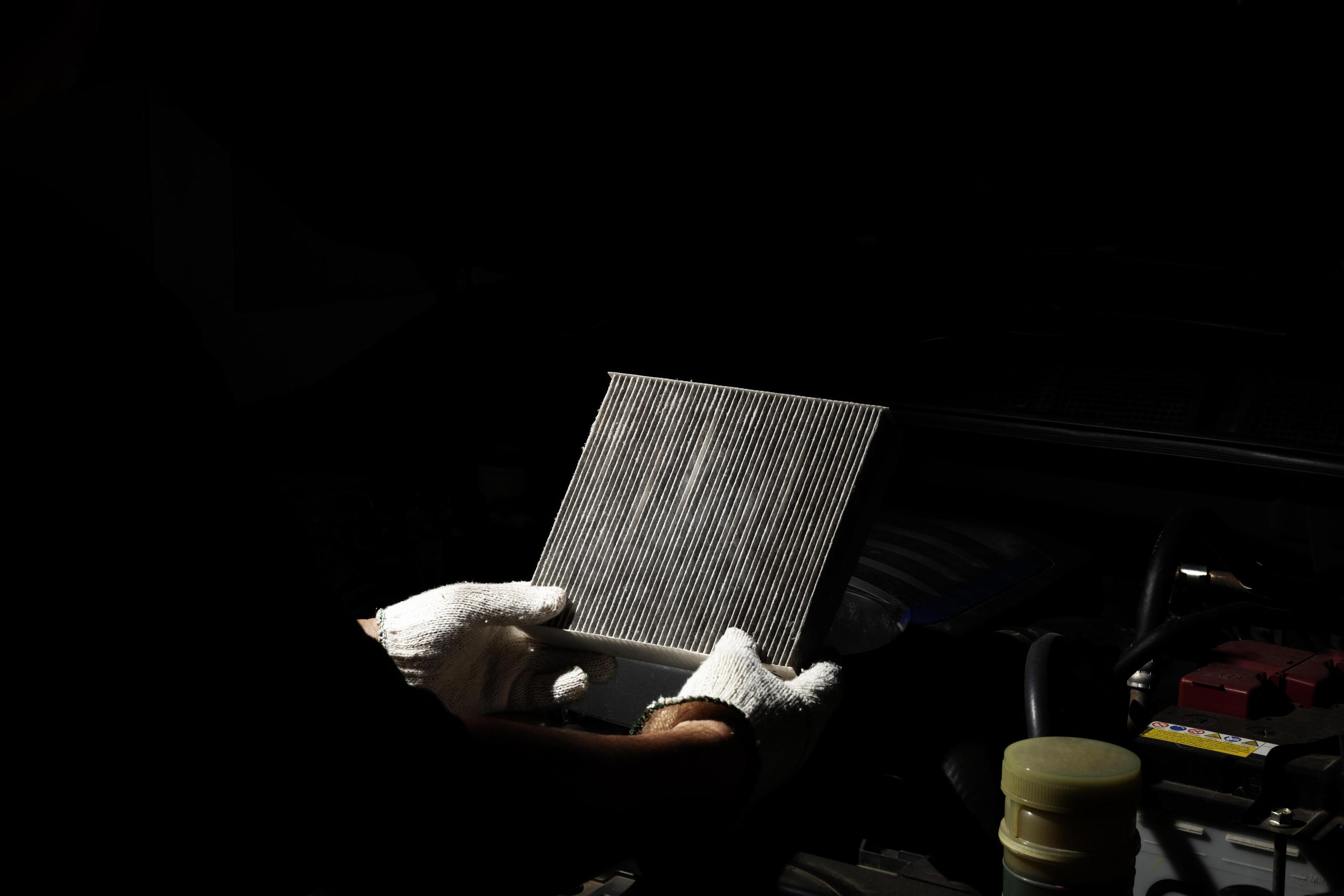
- The cabin air filter is clogged and restricting airflow
- Electrical faults that prevent compressor engagement
A system can also be overcharged from past DIY top-offs. Overcharging can reduce cooling and increase pressure stress.
What A Shop Checks First
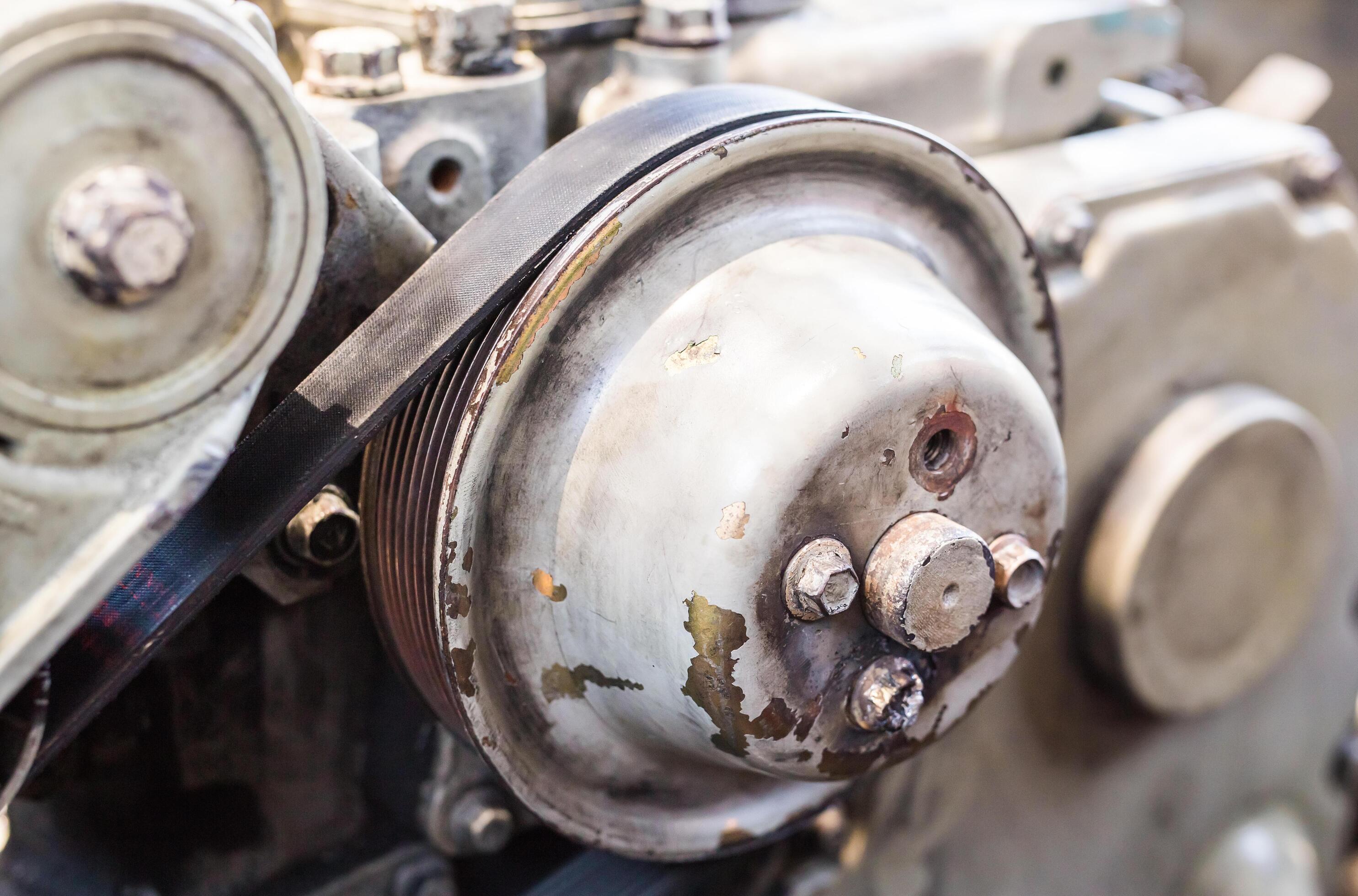
We start with simple checks that tell us what the system is doing. We measure vent temperature and compare left and right vents. We confirm the compressor engages and stays engaged. We check the condenser fan operation. We inspect the belts if the compressor uses a belt drive.
Then we check system pressures and compare them to factory specs. If pressures suggest low refrigerant, we look for leaks before adding refrigerant. We inspect for dye, oil residue, and wet spots at hose joints and seals. If needed, we use UV dye and a UV light to trace slow leaks.
What The Fix Usually Involves
Repairs depend on what testing confirms. The goal stays the same: restore a sealed system with correct charge and stable airflow.
Common repairs include:
- Leak repair at hoses, seals, condenser, or evaporator components
- Evacuation and recharge by weight to Honda specs
- Compressor replacement when it cannot build the correct pressure
- Condenser fan repair when the airflow across the condenser is weak
- Expansion valve service when restriction is confirmed
- Cabin air filter replacement and airflow checks
After repairs, we recheck pressures, confirm cold vent temps, and road test in traffic conditions.
Schedule Honda AC Service Today
If your Honda AC is not cooling properly, set up a service with Driven Auto Care of Castro Valley, CA. We will test the system, find the real cause, and get your vents blowing cold again.