REVIEWS
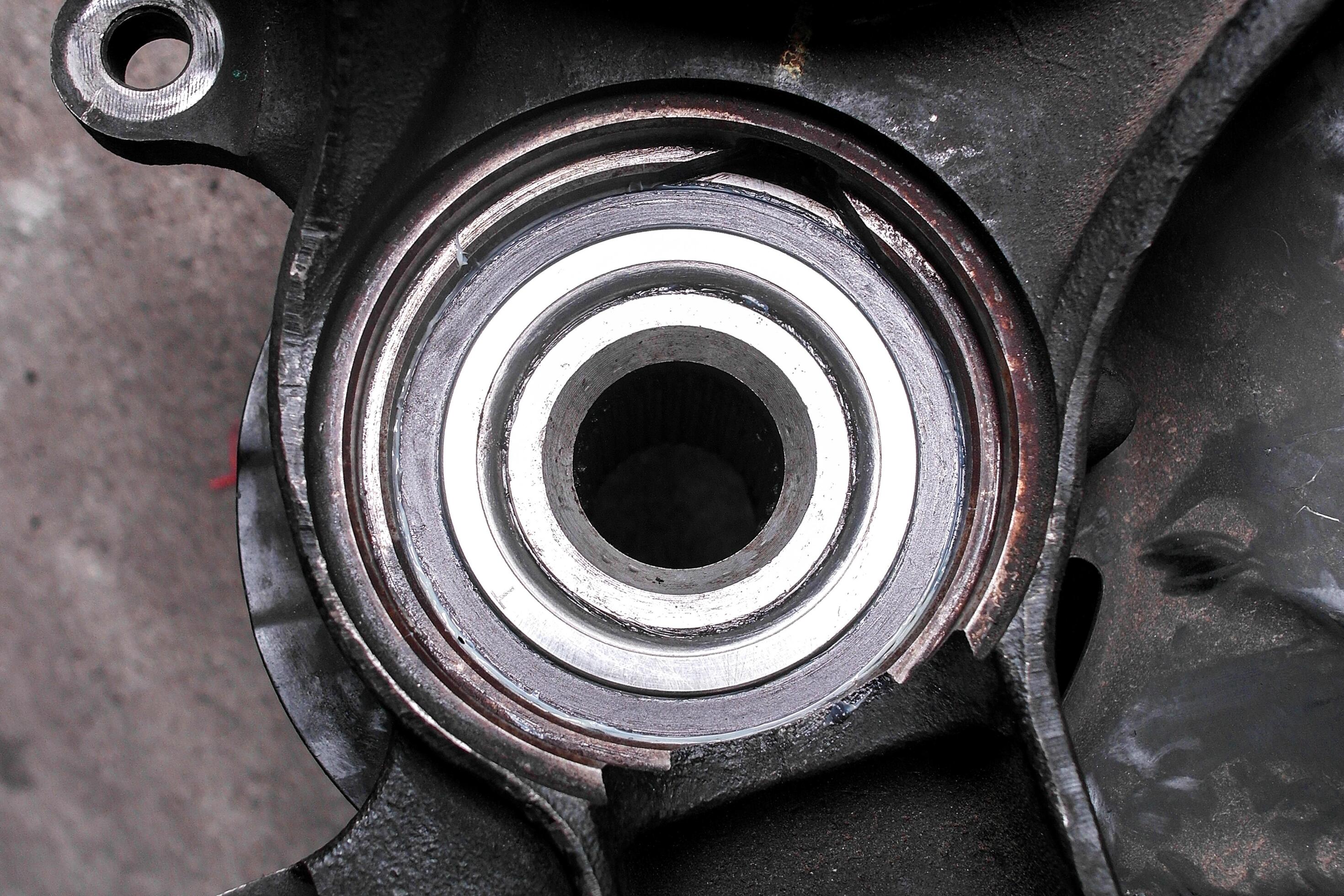
A failing wheel bearing starts quiet and gets worse in a way that's easy to ignore, right up until it isn't. On a Tacoma, especially one that sees miles, dirt roads, or towing, the wheel bearings take a beating and eventually wear out. Catching one early is a straightforward repair. Ignoring it turns into a bigger job and, at the far end, a real safety problem. Here's what to listen for.
What a Bad Bearing Sounds Like
The classic sign is a humming or growling that rises and falls with your speed, not your engine. It often sounds like it's coming from one side of the truck. As it gets worse it can turn into a roar, and some drivers feel a slight vibration through the floor or the steering wheel. The giveaway is how it changes when you steer.
Here's the trick that separates a bearing from other noises. On the highway, gently sway the truck left and right:
- If the hum gets louder turning one way and quieter the other, it's a wheel bearing
- Loading the bearing by turning changes the noise, since the weight shifts onto it
- A noise that stays exactly the same through the sway is more likely tires
- A growl only under power, not coasting, points more at the drivetrain
That steering test is the single most useful clue for telling a bearing from tire noise.
Why It Gets Confused With Tires
Wheel bearing noise and tire noise sound a lot alike, which is why bearings get misdiagnosed all the time. Cupped or worn tires make their own hum that changes with speed, and people replace tires chasing a noise that was really a bearing, or the other way around.
Why You Don't Let It Go
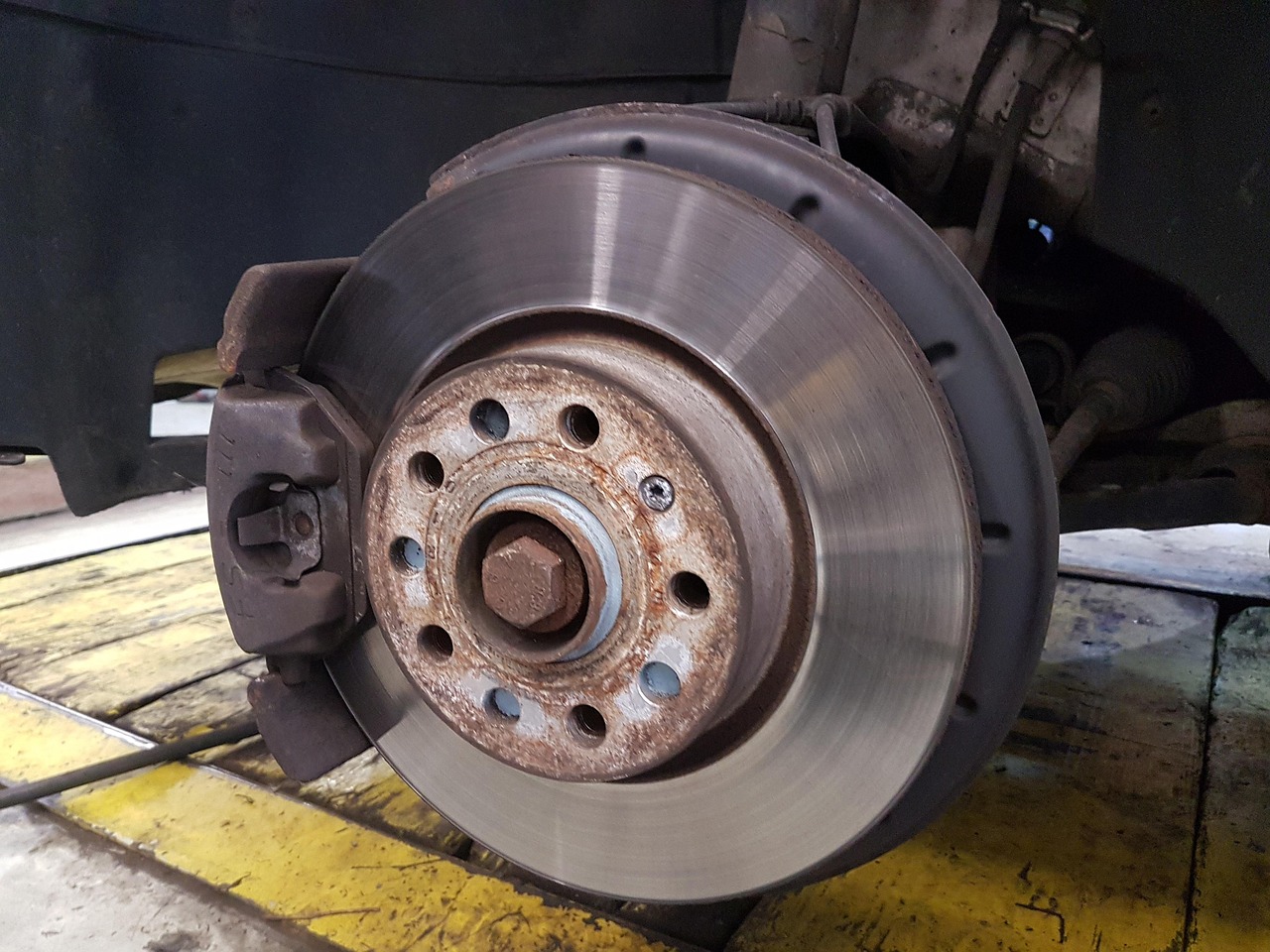
Left long enough, a bad bearing generates heat, develops play, and in the worst case can seize or let the wheel wobble, which is a genuine safety issue on a truck. Long before that, the play throws off how the truck tracks and can trigger ABS or traction faults from the wheel speed sensor built into the hub. Caught early, it's a hub or bearing replacement. Caught late, it can take other parts with it.
How We Handle It
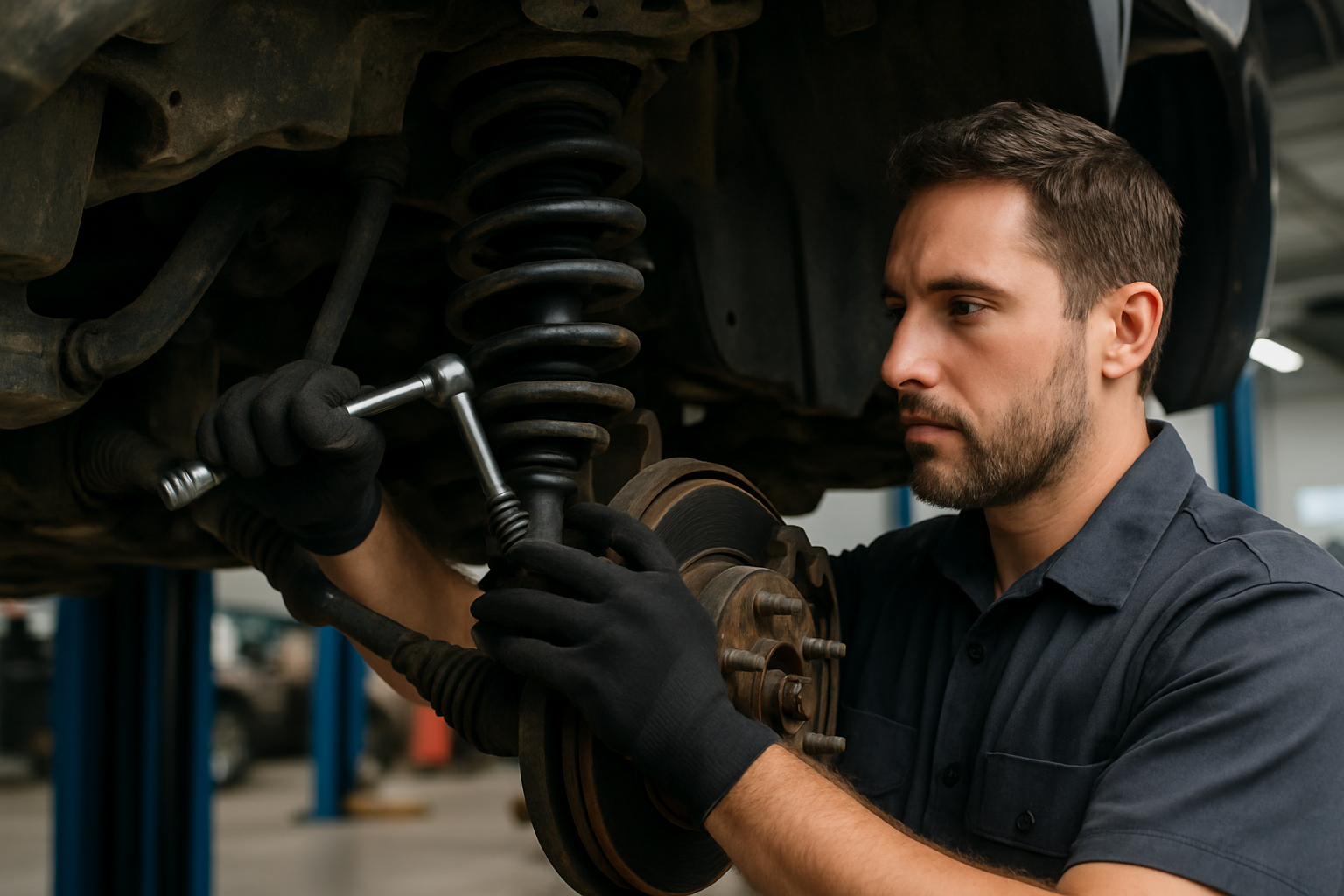
When a Tacoma comes in with a hum or growl, we drive it to hear the noise and load it through turns to confirm it's a bearing. Then we put it on the lift and check each wheel for play and roughness by hand, and inspect the tires so a worn set doesn't get blamed on a bearing or vice versa. That tells us which corner is actually failing. Then you get a straight answer before any work starts.
Quiet the Growl Before It Grows
A wheel bearing is a clean fix caught early and a bigger one caught late. Bring your Tacoma to Driven Auto Care of Campbell, and we'll pin down which corner is humming. Call to book a wheel bearing inspection.