REVIEWS

Here's a frustrating pattern. Your RDX fires right up cold, first thing in the morning. You run into a store, come back to a car that's been baking in the sun, and it cranks slow or won't catch. Let it cool, and it starts fine, like nothing was wrong. That hot-only pattern is the biggest clue there is, and it usually points to a short list of things a mechanic knows to check.
Why Heat Is the Trigger
When you shut off a hot engine, the heat doesn't leave right away. It soaks into everything nearby, and heat changes how a few components behave. A battery gives up less of its punch when it's hot. A starter on its way out swells inside and draws more current than it should, so it struggles to spin a warm engine. Connections with a little corrosion add resistance that climbs with temperature. The common thread is that all of these work fine cold and act up hot.
What a Mechanic Usually Finds
When running down a hot no-start, these are the usual culprits:
- A weak or aging battery that can't deliver under heat
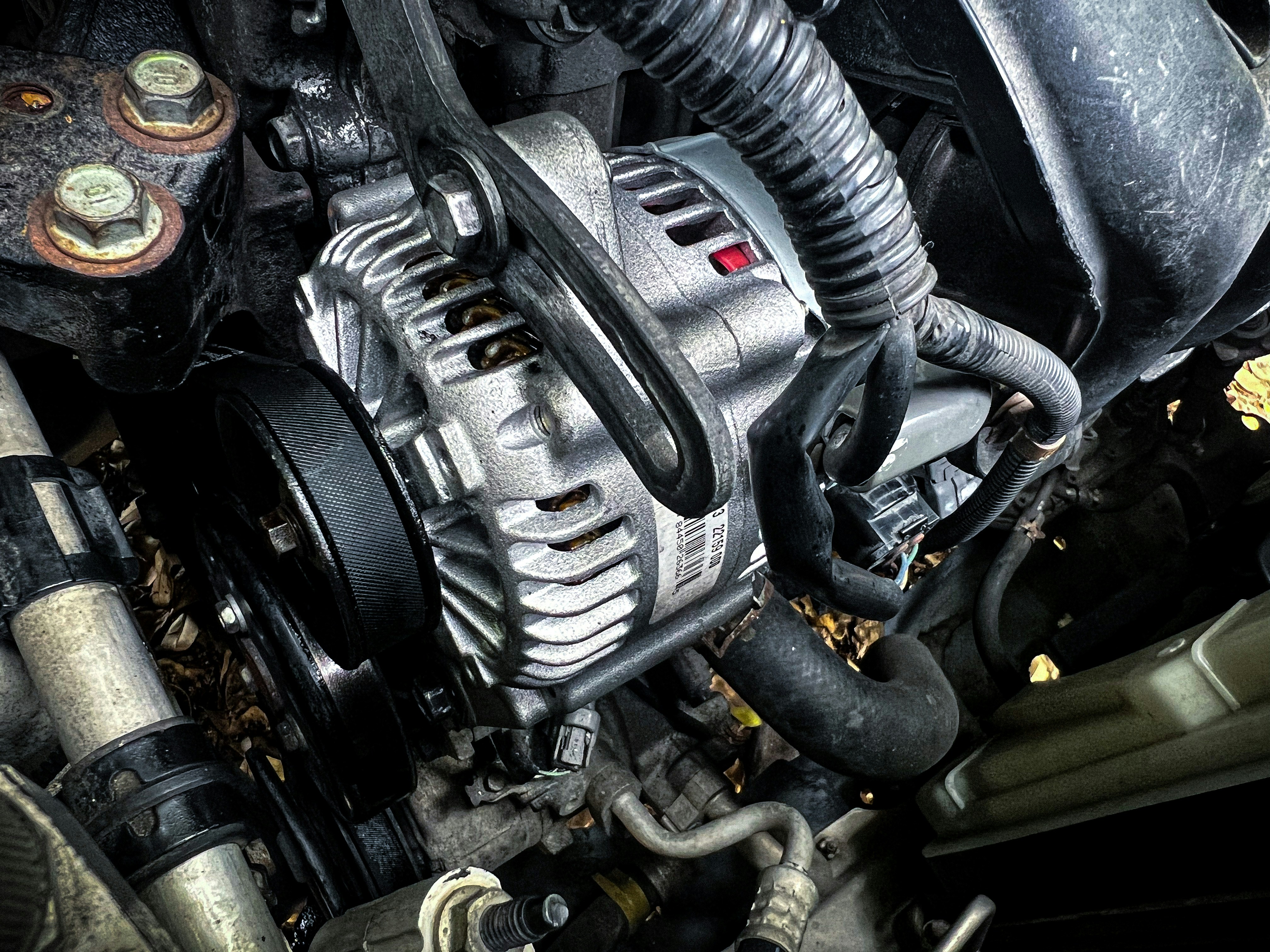
- A failing starter that draws too much current when hot
- Corroded or loose battery terminals and grounds adding resistance
- A heat-soaked starter solenoid clicking but not engaging
- Less often, a heat-sensitive relay or sensor in the start circuit
The battery and starter are where most of these land. The pattern in the sound helps: a single click with no crank leans toward the solenoid, slow dragging cranking points at the starter or a weak battery, and rapid clicking often means the battery or its connections.
Why the Diagnosis Comes First
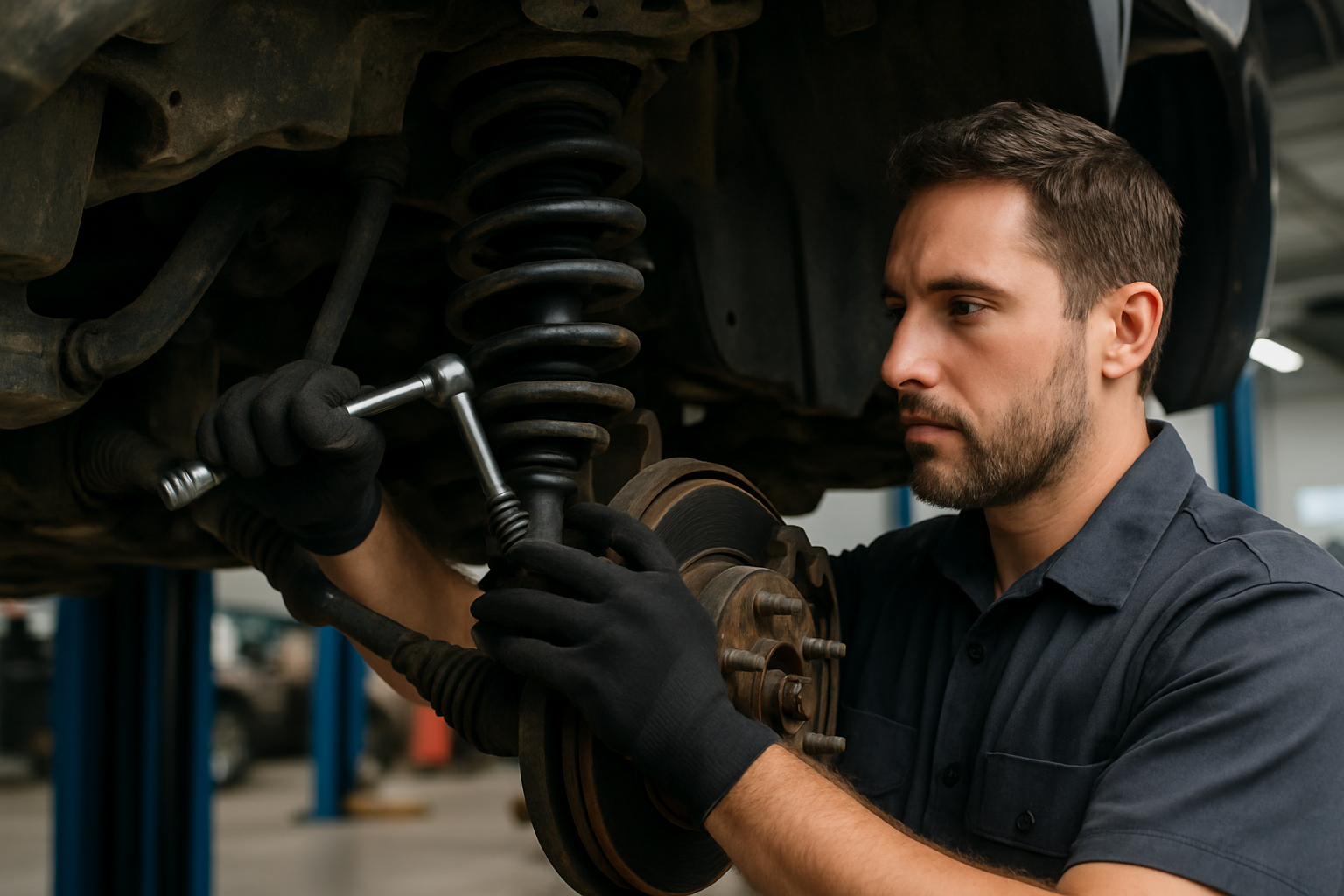
The trap with a hot no-start is throwing parts at it. People replace a battery, it works for a week, and they're stuck again because the starter was the real issue, or a corroded ground was choking the whole circuit. A mechanic tests instead of guessing, because a hot no-start can be a simple cable cleanup or a starter replacement, and you can't tell by symptom alone. Testing under real conditions is what separates the two.
Why You Don't Wait
An intermittent hot no-start is a warning, and it only gets more frequent. What starts as an occasional refusal on a hot afternoon becomes a regular thing, and then it doesn't start at all, usually at the worst moment. Catching it while it's still intermittent means you fix it on your schedule instead of waiting on a tow in a parking lot. The early fix is often the simpler one, too.
Fix It Before It Strands You
A hot no-start is a fixable warning, not a fluke to wait out. Bring your RDX to Driven Auto Care of Campbell and we'll find why it fights you when it's hot. Call to book a starting system diagnostic.