REVIEWS

Audi’s A3 is an excellent choice for people who are seeking a performance car with a true luxury feel. One of the longest running models in Audi’s line, the A3 is a popular choice for people in the market for a high end luxury car. However, like any foreign luxury car, some potential buyers can be turned off by potential high maintenance and repair costs.
If you’re located in the South Bay Area, our team of experienced automotive pros can help make sure your A3 is well taken care of for a reasonable cost. We have extensive experience working with high end foreign cars like the A3, and we can typically make fast and lasting repairs for almost any issue.
One common issue with the A3 is carbon buildup on intake valves. In this article, we will discuss why this happens, and our approach to repairing the issues which are caused by the accumulation of carbon buildup. If your A3 isn’t quite running right, read on to learn if carbon buildup is to blame, and how we can help.
Causes and Symptoms of Carbon Buildup
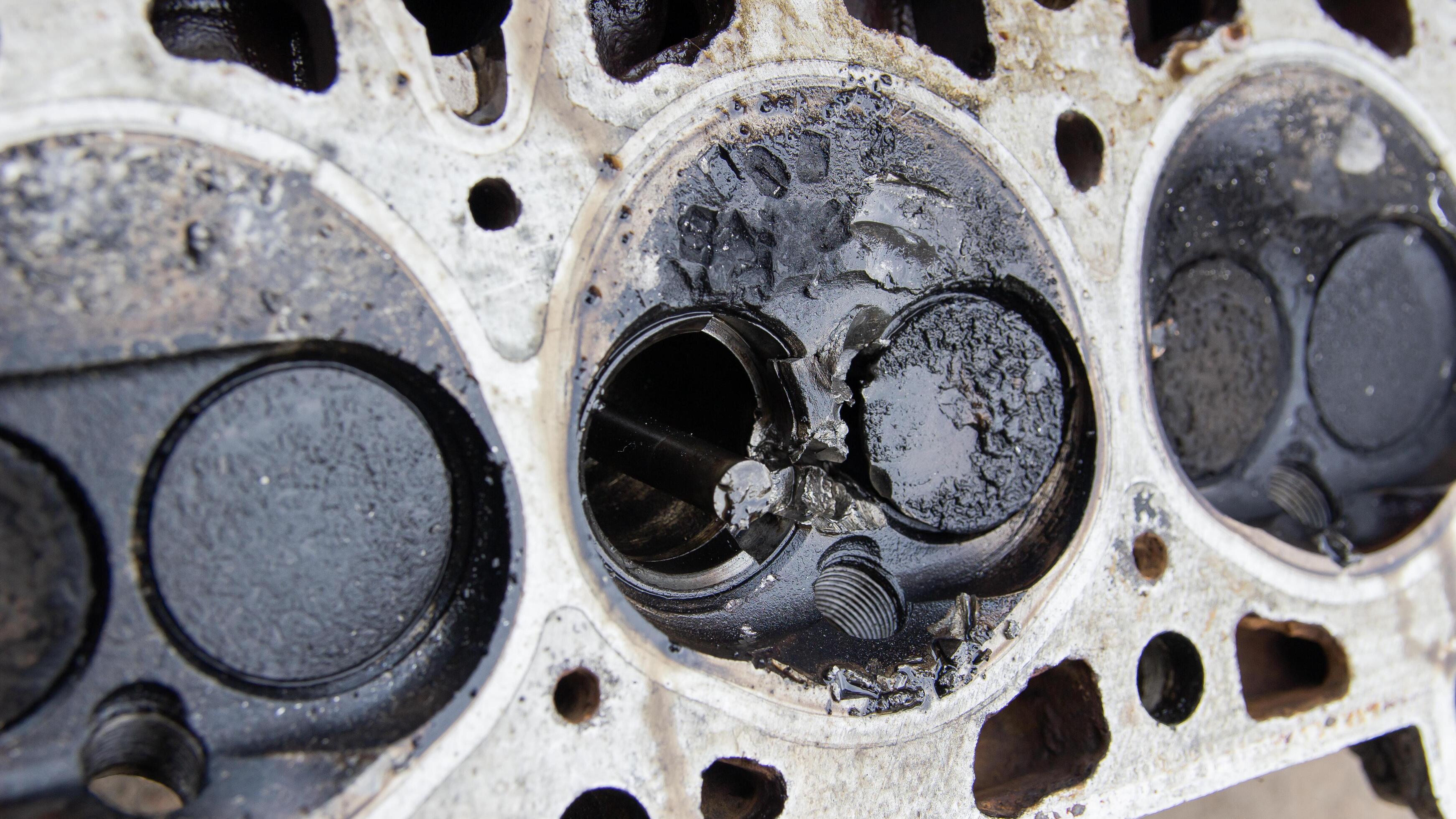
Like many high performance vehicles, the A3 uses direct injection. This means fuel flows into the engine, and as a result the car has faster access to more power. The downside of direct injection is carbon buildup. In vehicles without direct injection, fuel washes over the components of the vehicle where carbon would otherwise accumulate. However, direct injection cars like the A3 often must be cleaned to ensure this carbon buildup doesn’t harm the engine.
If your car has carbon buildup, you can expect to have symptoms related to fuel consumption. Misfires, rough idling, stalls, and error codes are all likely if carbon buildup accumulates to an advanced level.
Cleaning Minor Carbon Buildup
In an ideal scenario, you have your A3 regularly maintained and a qualified technician can catch carbon buildup before it turns into a big problem. Before it sets in, carbon can be removed by taking off the intake manifold and soaking it in strong cleaners, and then scraping it off by hand.
Correcting Major Carbon Buildup Issues
If carbon sets in and is causing a bigger issue, it might be unable to be removed by soaking and scraping. It might sound strange, but the industry standard for removing set in carbon is a technique called walnut blasting. This technique involves using specialized equipment to literally force small bits of ground walnuts into the carbon, dislodging them from the intake manifold. Walnuts are used because they’re soft enough not to cause damage, but hard enough to knock off the carbon.
Professional Diagnosis and Repair Available
If you are noticing performance issues with your A3 or you’re seeing error codes, don’t wait to come see us for a professional diagnosis of the problem. To learn more about our repair process, ask questions, or book your service, give us a call today.