REVIEWS
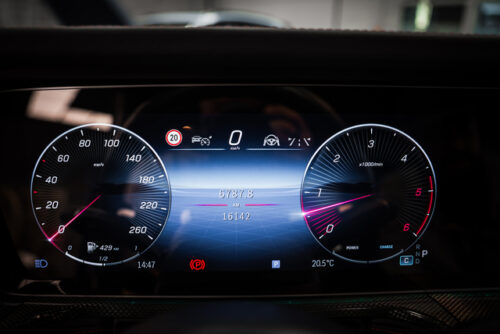
What the ABS Warning Light Means in Mercedes-Benz Vehicles
Modern Mercedes-Benz vehicles are equipped with advanced safety systems designed to help drivers maintain control during braking. One of the most important systems is the Anti-lock Braking System (ABS).
The ABS prevents the wheels from locking during sudden or hard braking. Rapidly pulsing brake pressure helps drivers maintain steering control and reduce the risk of skidding, especially in slippery or emergency conditions.
When the ABS warning light comes on, the vehicle’s onboard computer has detected a problem with the braking system. In some cases, the vehicle may continue to drive normally, but the anti-lock braking system may no longer operate correctly.
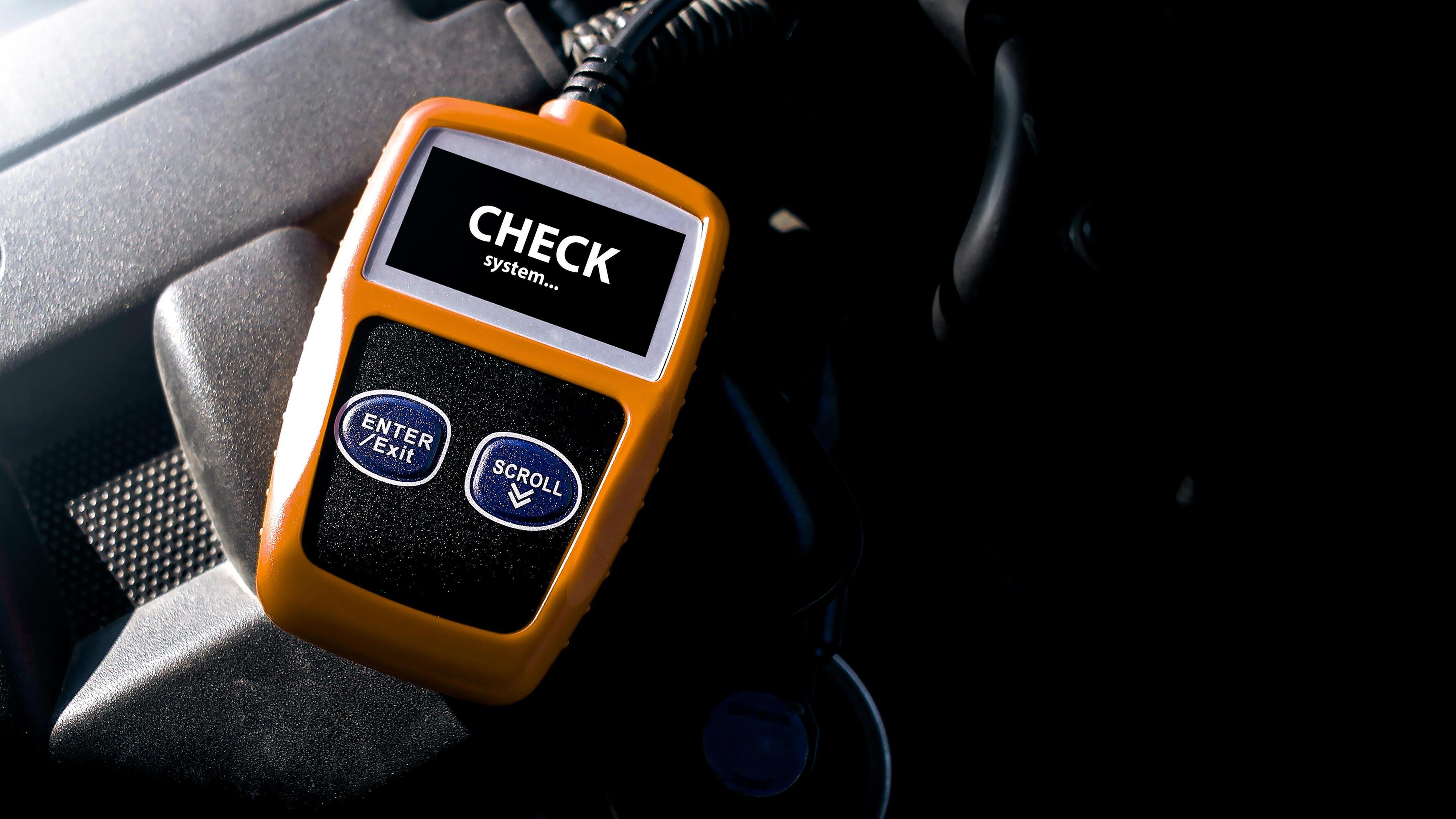
Drivers in San Jose often seek professional diagnostics when this warning appears. European auto repair specialists have the equipment needed to read fault codes and identify the exact cause of the issue.
Mercedes-Benz Models Where ABS Warnings Often Appear
Although ABS problems can occur in any vehicle, certain Mercedes-Benz models are prone to specific sensor or electronic issues as they accumulate mileage.
Mercedes-Benz C-Class Wheel Speed Sensor Failures
The Mercedes-Benz C-Class is known for its refined handling and responsive braking. However, the ABS relies heavily on wheel-speed sensors at each wheel hub.
These sensors monitor each wheel’s speed and send that information to the ABS control module. If a sensor becomes damaged or contaminated by debris, the system may trigger the ABS warning light.
Drivers may notice the warning light accompanied by traction control warnings or stability system alerts.
Mercedes-Benz E-Class ABS Module Concerns
The Mercedes-Benz E-Class is a luxury sedan that uses advanced braking and stability control technology. Over time, the ABS control module or hydraulic unit may develop electrical or communication faults.
When this occurs, the ABS warning light may remain illuminated even if braking performance feels normal. Diagnostic testing is necessary to confirm whether the issue is related to the ABS module, wiring, or related sensors.
European auto repair technicians often inspect these components carefully to determine the correct repair.
Mercedes-Benz GLE Brake System Sensor Issues
The Mercedes-Benz GLE SUV is designed for both comfort and performance, using a complex braking and stability system. Because of this technology, multiple sensors work together to monitor vehicle movement.
A faulty wheel sensor, damaged wiring, or debris around the wheel hub may trigger the ABS warning light. Drivers may also see traction control or stability control warnings appear simultaneously.
Professional diagnostics help technicians determine whether the problem involves sensors, wiring, or the ABS itself.
Mercedes-Benz GLK Electrical ABS Warnings
The Mercedes-Benz GLK compact SUV uses electronic systems to manage braking stability and traction. Electrical faults in wiring harnesses, connectors, or sensors can trigger the ABS warning light.
Drivers may notice additional dashboard alerts or intermittent warning lights depending on the nature of the electrical issue.
Why ABS Problems Should Be Diagnosed Quickly
Although a vehicle may still drive when the ABS warning light appears, the system may no longer function properly during emergency braking. Without ABS assistance, wheels may lock during hard braking, reducing steering control.
Additionally, the ABS often works in conjunction with traction control and electronic stability control systems. When ABS faults occur, these safety features may also be affected.
Mercedes-Benz ABS Diagnostics Near San Jose
Drivers near San Jose often rely on European auto repair specialists when dashboard warning lights appear. At Driven Auto Care of Campbell, CA, technicians use advanced diagnostic equipment to scan Mercedes-Benz systems and locate ABS faults.
By identifying issues such as faulty sensors, wiring problems, or control module failures, technicians can recommend the correct repair to restore safe braking performance and vehicle reliability.